
Scripting a YouTube video is one of the most overlooked skills, yet it’s the difference between a video people click away from and one they watch until the end.
I used to think scripting would make my videos sound stiff or robotic, but the opposite turned out to be true.
Once I learned how to script properly, my videos flowed better, my confidence improved, and viewers stayed longer.

When you script with intention, you stop rambling, you stay on topic, and you guide the viewer from the first second to the last.
You don’t need to write every word perfectly, but you do need a clear structure that keeps people engaged and curious.
In this post, I’ll show you exactly how I script engaging YouTube videos that sound natural, hold attention, and encourage viewers to like, comment, and subscribe.
Whether you’re a beginner or struggling with low retention, this process will completely change how you create content.
Why Scripting Matters More Than You Think
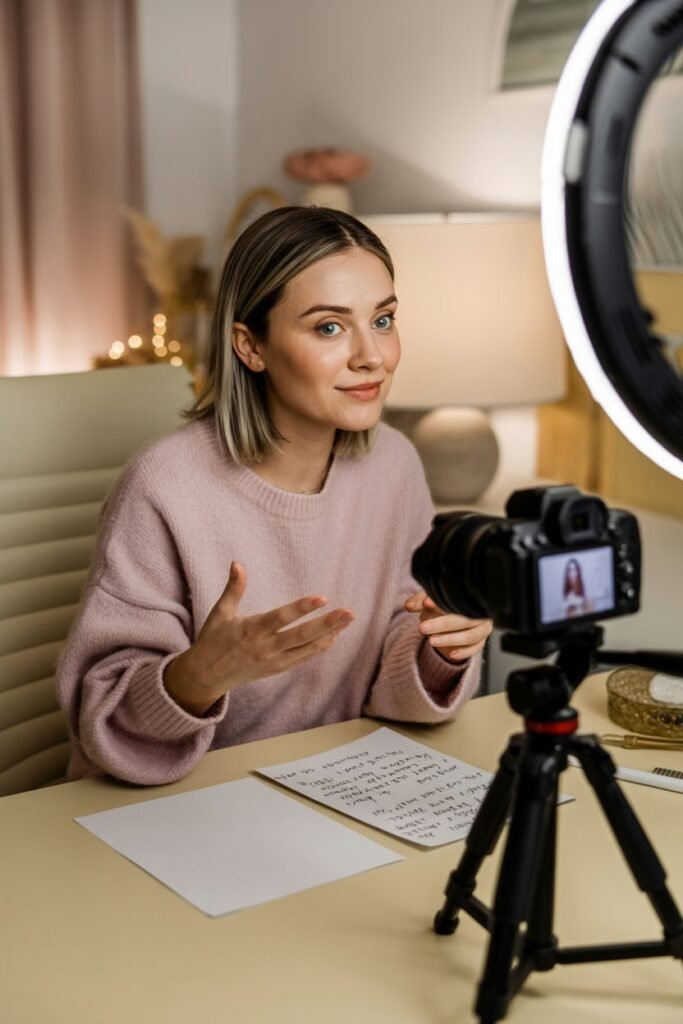
An engaging script isn’t about sounding rehearsed. It’s about clarity, pacing, and purpose.
When you hit record without a script, it’s easy to repeat yourself, lose energy, or forget key points. Viewers notice this immediately, and YouTube’s algorithm does too.
A good script helps you:
- Keep your message clear and focused
- Eliminate awkward pauses and filler words
- Maintain high energy throughout the video
- Improve audience retention and watch time
When I started scripting my videos, I stopped feeling nervous on camera because I always knew what to say next. That confidence comes through on screen, and viewers respond to it.
Start With a Strong Hook

The first 5 to 15 seconds of your video matter more than anything else. This is where most creators lose viewers. Your script should always begin with a hook that gives people a reason to stay.
A strong hook does one of three things:
- Calls out a specific problem your viewer has
- Promises a clear benefit or outcome
- Sparks curiosity that makes them want answers
Instead of starting with a long introduction or greeting, I go straight into value. For example, I tell the viewer exactly what they’ll learn or how their life will improve by watching the video.
Your hook should make the viewer think, “This video is for me.”
Clearly Define the Goal of Your Video
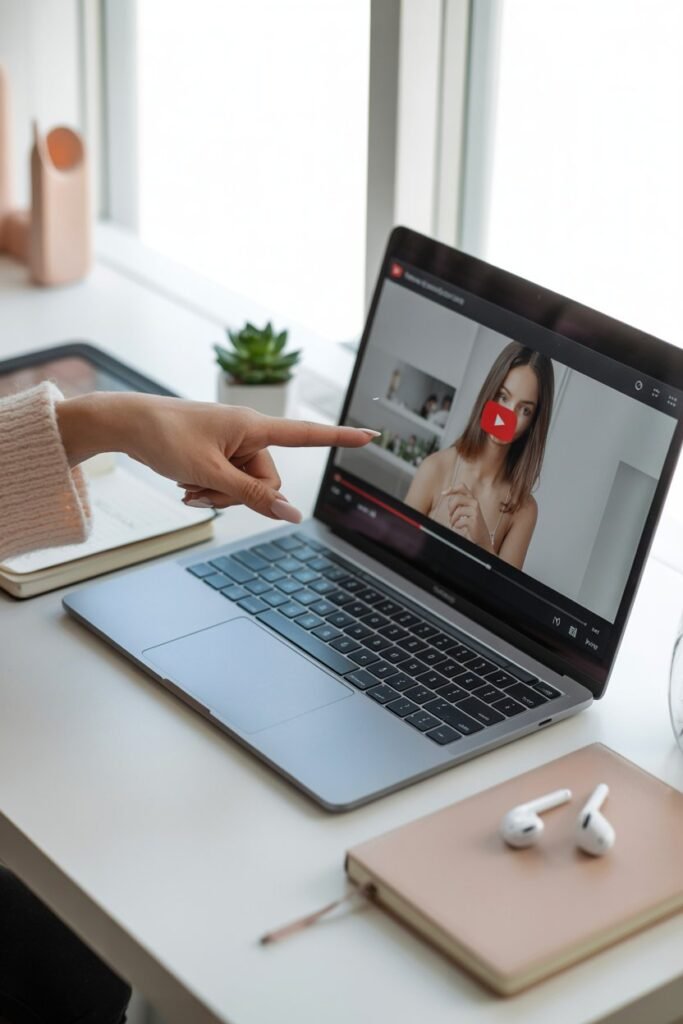
Before you write a single line of your script, you need to know the purpose of the video. Every engaging YouTube script is built around one clear goal.
Ask yourself:
- What do I want the viewer to learn?
- What problem am I helping them solve?
- What action do I want them to take at the end?
When your script has one main focus, it becomes easier to stay on track and deliver value. I always write my goal at the top of my script so I don’t drift off topic while filming.
A focused video performs better, keeps viewers watching longer, and feels more satisfying to the audience.
Structure Your Script for Flow and Retention
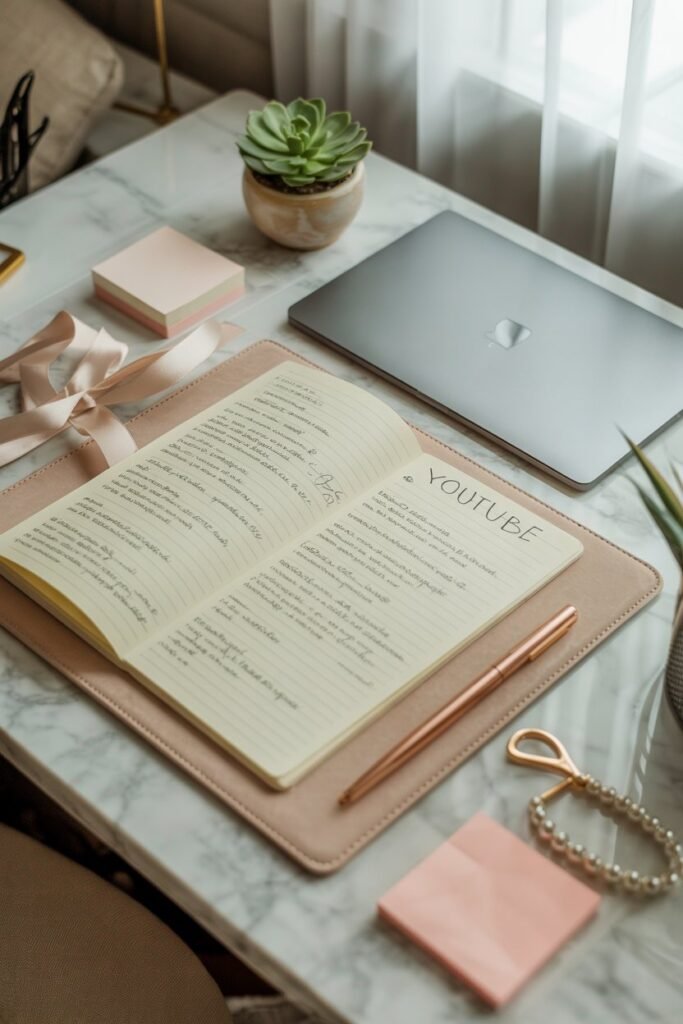
Engaging scripts follow a simple structure that guides the viewer smoothly through the video. I like to think of it as a conversation with direction.
A strong structure looks like this:
- Hook to grab attention
- Brief context so viewers know what to expect
- Main points delivered clearly and logically
- Simple transitions between ideas
- A clear ending with a call to action
When your script flows naturally, viewers don’t feel lost or overwhelmed. They know where the video is going, and they’re more likely to stay until the end.
Write the Way You Speak

One of the biggest mistakes I see is people writing scripts the way they would write a blog post. That usually leads to stiff, unnatural delivery. Your script should sound like a conversation, not a lecture.
When I script, I read every sentence out loud as I write it. If it sounds awkward or forced, I rewrite it until it feels natural. Short sentences work better than long ones. Simple words are more engaging than complex language.
A good rule I follow is this: if I wouldn’t say it to a friend out loud, I don’t put it in my script. This keeps my tone relaxed, confident, and easy to follow.
Use Open Loops to Keep Viewers Watching

Open loops are one of the most powerful tools you can use in a YouTube script. An open loop is when you tease something valuable but don’t reveal it right away.
For example, I might say I’ll share a common scripting mistake later in the video or mention a tip that completely changed my retention without explaining it immediately. This creates curiosity and gives viewers a reason to stay.
I usually place open loops:
- In the hook
- Before transitions to new sections
- Midway through longer videos
Used correctly, open loops dramatically increase watch time because viewers want closure.
Keep Each Section Focused and Purposeful

Every part of your script should earn its place. If a section doesn’t educate, entertain, or move the viewer closer to the goal, it should be removed.
I break my script into clear sections, each covering one idea only. This makes filming easier and helps viewers stay engaged because they’re never overloaded with information.
If a point feels long, I split it into two smaller ideas. This keeps pacing tight and makes the content easier to digest.
Add Engagement Prompts Naturally

Engaging videos invite interaction, but the key is making it feel natural, not forced. Instead of randomly asking viewers to comment, I tie engagement prompts directly into the script.
For example, I might ask a question related to the topic or encourage viewers to share their experience. This makes comments more meaningful and boosts engagement without breaking the flow of the video.
I also include subtle reminders to like or subscribe after delivering value, not before. Viewers are more likely to engage once they’ve received something helpful.
Decide How Detailed Your Script Should Be
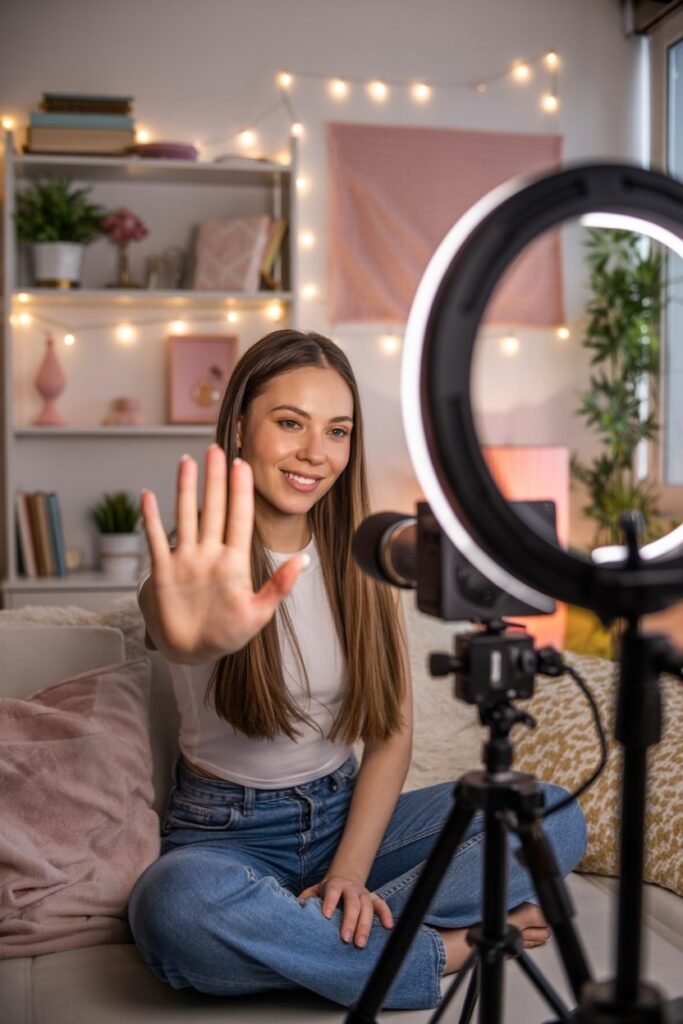
Not every creator needs the same level of scripting. Some people thrive with word-for-word scripts, while others prefer bullet points.
When I’m filming tutorials or educational content, I script almost everything to stay clear and precise. For casual or opinion-based videos, I use bullet points and key phrases to keep things flexible.
If you’re a beginner or nervous on camera, detailed scripts help build confidence. As you gain experience, you can loosen up and rely more on outlines.
The goal isn’t perfection. It’s clarity and connection.
End With a Strong, Intentional Close
A lot of creators put all their effort into the beginning of the video and then rush the ending. Your closing matters just as much as your hook.
I always end my script by:
- Summarizing the main takeaway
- Reinforcing the value of the video
- Clearly telling viewers what to do next
This could be subscribing, watching another video, or downloading a resource. A clear ending gives your video purpose and helps guide the viewer deeper into your content.
Common Scripting Mistakes to Avoid
If your videos feel flat or struggle with retention, your script might be the issue. These are mistakes I had to unlearn early on.
Talking too long before getting to the point loses viewers fast. Overloading a script with too many ideas causes confusion. Writing in a formal tone creates distance between you and the audience.
The best scripts are simple, focused, and human. They guide without overwhelming and inform without sounding scripted.
Final Thoughts
Learning how to script an engaging YouTube video changed everything for me. My videos became clearer, my confidence on camera improved, and my audience started watching longer and engaging more.
A great script doesn’t limit your creativity. It supports it. When you know what you want to say and how you want to say it, you can show up on camera relaxed and focused.
If you want viewers to stay, trust you, and come back for more, scripting is not optional. It’s one of the most powerful tools you can use to grow on YouTube.