
When I started blogging, forming an LLC was the last thing on my mind.
I was focused on writing. Publishing. Learning SEO. Figuring out Pinterest. Trying to get my first 1,000 pageviews. The idea of legally registering my blog felt too serious, too corporate, and honestly, too far ahead.
But then something shifted.
My blog started making money.
Affiliate commissions came in. Brands started emailing me. Ad revenue became consistent. And suddenly, I was no longer “just blogging.” I was running a business.
If you are asking yourself, “Should I register my blog as an LLC?” you are probably at that same turning point.
In this guide, I am going to walk you through everything I learned as a career blogger. I will break down what an LLC is, when you actually need one, the benefits and drawbacks, and how to decide if it is the right move for you.
Let us talk about it properly.
What Is an LLC and Why Do Bloggers Consider It?

An LLC stands for Limited Liability Company.
It is a legal business structure that separates you from your business. That separation is important.
When I first understood this, it changed how I saw my blog.
Without an LLC, you and your blog are legally the same entity. If someone sues your business, your personal assets could be at risk.
With an LLC, your business becomes its own legal entity. In most cases, that protects your personal assets like your home, car, or personal savings.
For bloggers, this becomes relevant when:
- You earn consistent income
- You work with brands
- You sell digital products
- You use affiliate links
- You collect email addresses
- You run ads
Once money is involved, you are no longer “just blogging.” You are operating a business.
When I Realized My Blog Was a Real Business

I remember the exact month it hit me.
I received three brand emails in one week. I had affiliate income from multiple platforms. My traffic was climbing steadily. And I had just applied to an ad network.
At that point, I had to ask myself a serious question.
If something went wrong, am I protected?
What if someone claims my content caused harm?
What if a brand contract dispute happens?
What if tax season becomes complicated?
That is when I started researching forming an LLC.
Not because it sounded fancy. But because I needed structure.
The Main Benefits of Registering Your Blog as an LLC
Let me walk you through the real advantages from my personal experience and research.
1. Personal Liability Protection

This is the biggest reason bloggers form an LLC.
If your blog is sued, your personal assets are typically protected. This does not mean you are immune to everything, but it creates a legal separation.
As your income grows, protecting yourself becomes more important.
2. Professional Credibility

I noticed something interesting after forming my LLC.
Brands took me more seriously.
When you sign contracts under a registered business name, it signals that you treat your blog like a real company. It changes the tone of conversations.
Even psychologically, it changed how I saw myself. I stopped thinking like a hobby blogger and started thinking like a CEO.
3. Cleaner Financial Management

Once I registered my business, I opened a separate business bank account.
This alone made tax season so much easier.
All blogging income went into one account. All expenses came out of that account. No more mixing personal grocery transactions with hosting fees and software subscriptions.
If you want to grow long term, financial clarity is essential.
4. Tax Flexibility
An LLC can provide tax flexibility depending on how you structure it. In many cases, profits pass through to your personal tax return, avoiding double taxation.
As income increases, this flexibility can become strategic.
I am not a tax advisor, so always consult a professional. But having options matters as your blog scales.
When You Probably Do Not Need an LLC Yet

Let me be honest with you.
Not every blogger needs an LLC immediately.
You may not need one if:
- You are not making consistent income yet
- You are still testing your niche
- You treat your blog purely as a hobby
- You have minimal traffic and no monetization
In the early stage, your priority should be:
- Building traffic
- Learning SEO
- Growing your email list
- Creating consistent content
Registering too early can add unnecessary fees and paperwork.
When I was making under a few hundred dollars per month, I focused on growth instead of legal structure.
How Much Does It Cost to Form an LLC?
This depends on your state or country.
In the United States, LLC filing fees vary by state. Some states charge under $100. Others charge several hundred dollars. There may also be annual renewal fees.
You may also pay for:
- Registered agent services
- Business licenses
- Accounting help
Before registering, calculate whether your blog income comfortably covers these costs.
If your blog earns $50 per month, it may not make financial sense yet.
If your blog earns $1,000 or more monthly, the conversation changes.
Legal Protection Is Not the Only Thing You Need
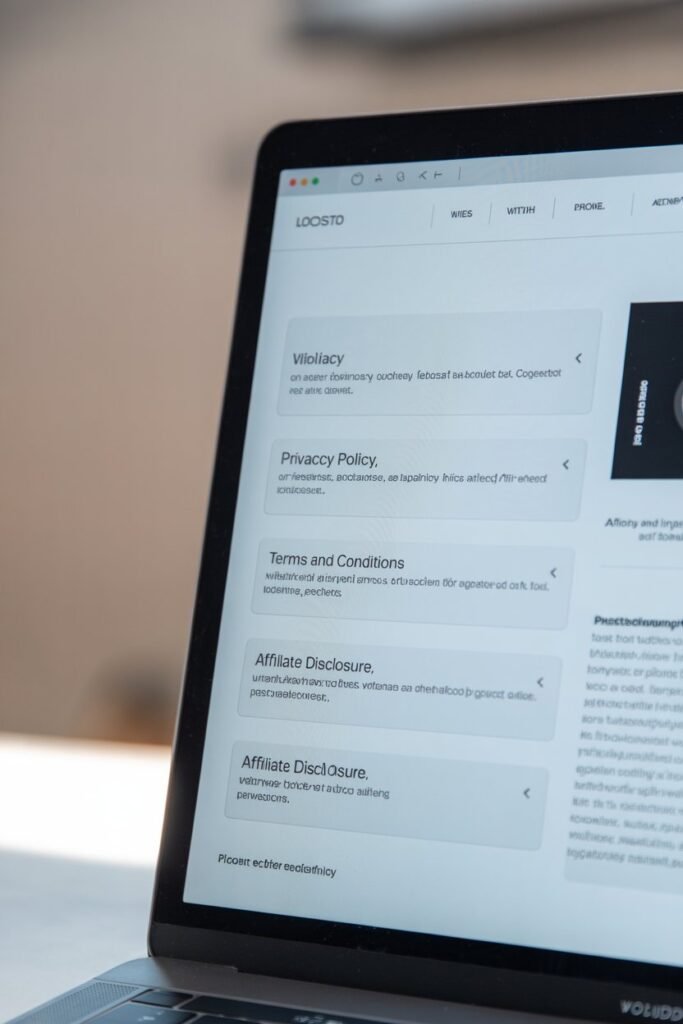
Forming an LLC does not replace other protections.
As a blogger, you should also have:
- Privacy Policy
- Terms and Conditions
- Affiliate Disclosure
- Disclaimer
If you use ads, collect emails, or promote affiliate products, these are essential.
An LLC protects your structure. Legal pages protect your operations.
Both matter.
Questions I Asked Myself Before Registering
I want you to ask yourself these honestly.
- Is my blog generating steady income?
- Am I working with brands or signing contracts?
- Do I plan to scale this long term?
- Would I feel more confident having legal protection?
- Can my blog income cover formation and renewal costs?
When my answers became yes to most of these, I moved forward.
The Emotional Shift of Becoming Official
No one talks about this part.
When I registered my blog as an LLC, something changed internally.
I stopped saying, “I have a blog.”
I started saying, “I run a digital publishing business.”
That mindset shift affected my productivity, my negotiation confidence, and my long term planning.
It made me invest more in:
- SEO strategy
- Better content
- Professional branding
- Systems and automation
It made the business real.
And when your business feels real, you treat it differently.
Should You Register Your Blog as an LLC?

Here is my honest answer as a career blogger.
If your blog is earning money consistently and you plan to grow it long term, yes, you should strongly consider forming an LLC.
If you are still experimenting and not monetized, focus on growth first.
Do not let legal setup distract you from building traffic.
Timing matters.
Final Thoughts From Someone Who Has Been There
I know how confusing this decision feels.
You start blogging for creativity or freedom. Then suddenly you are thinking about business structures and tax classifications.
It can feel overwhelming.
But here is what I learned.
Blogging can absolutely become a serious income source. And when it does, you need to treat it like a business.
For me, forming an LLC was not about looking official. It was about protection, structure, and growth.
You do not need to rush.
But you do need to think ahead.
Your blog has potential.
The question is not just whether you should register an LLC.
The real question is:
Are you building this to last?
If you are, then eventually, you will want the foundation to match the vision.