
If you’re anything like me, you’ve probably had those weeks where life feels completely overwhelming. Between work, family, meals, appointments, and everything else on the never-ending to-do list, it’s easy to feel like you’re constantly catching up. The truth is, being organized doesn’t always mean having a perfect planner or spotless home — it’s about creating systems that make life easier.
One of my favorite tools for staying on top of everything? Lists.
Writing lists each month keeps me focused, reduces stress, and helps me manage my time, money, and energy more intentionally. Whether you’re juggling kids’ schedules, trying to keep up with the house, or working toward personal goals, these lists will help you feel more in control.
Here are 10 lists you should be writing every month if you want a calmer, more organized life.
1. Monthly Goals List
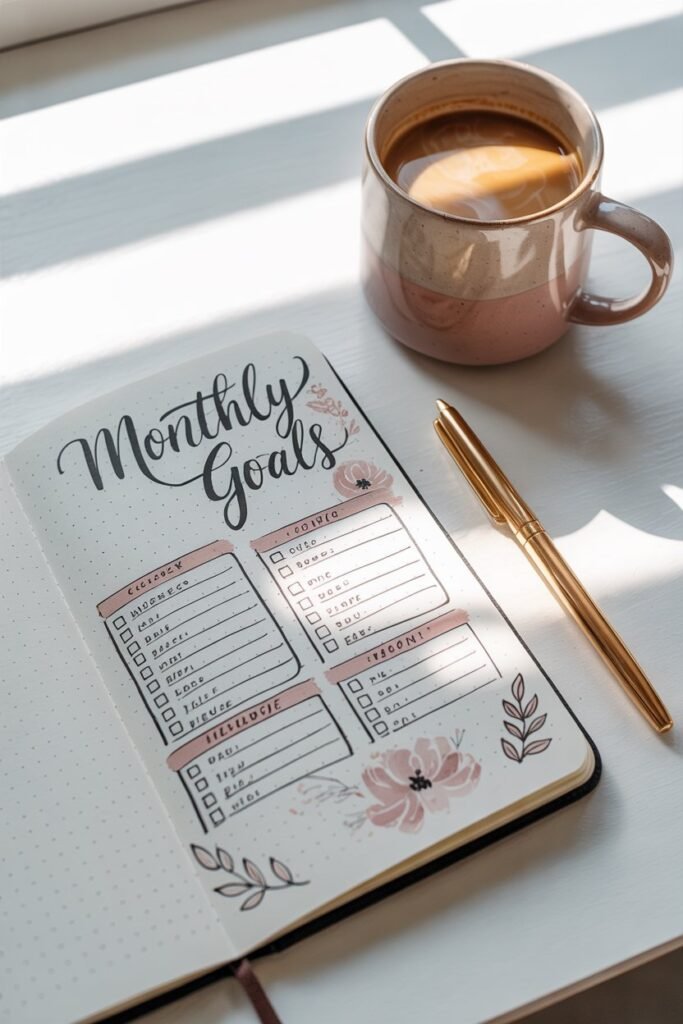
Start your month with a clear vision. Write down 3–5 realistic goals you want to achieve. These can be personal (like drinking more water), family-related (planning a family outing), or financial (saving $200).
Pro Tip: Keep goals specific and measurable. Instead of “eat healthier,” write “cook three homemade dinners per week.”
2. Budget & Expenses List
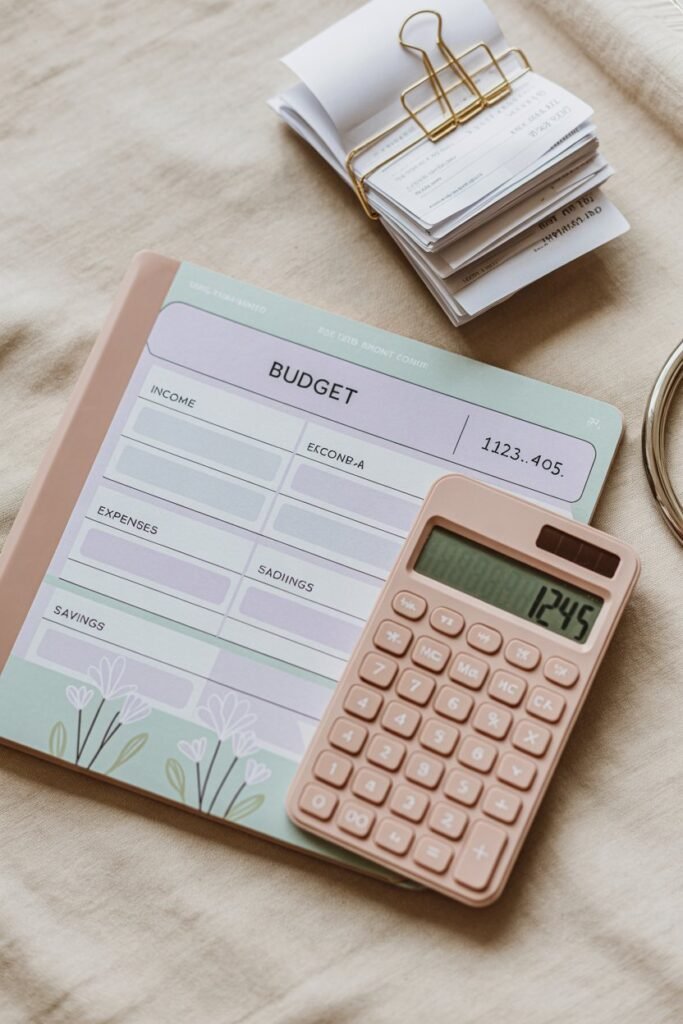
Money can be one of the biggest sources of stress. Writing a monthly budget list keeps you on track. Include fixed expenses (rent, bills, subscriptions), variable costs (groceries, gas), and savings goals.
Pro Tip: Review your spending from last month and adjust. If you overspent on takeout, set a realistic limit and plan ahead with meal prep.
3. Meal Ideas List
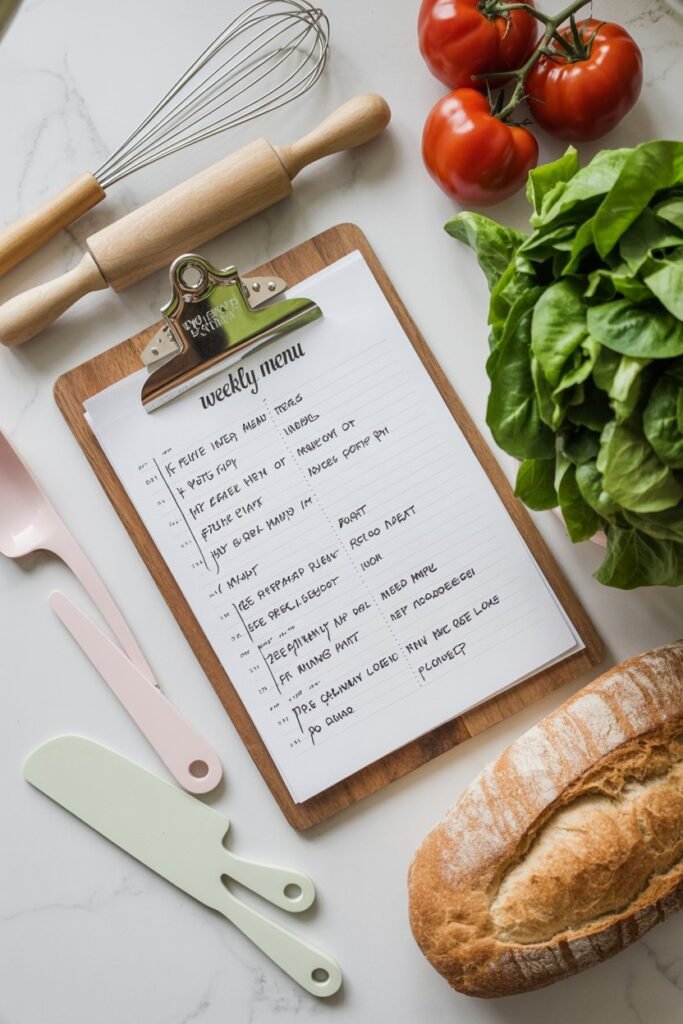
Tired of asking “What’s for dinner?” every night? A meal ideas list saves time and reduces food waste. Write down 10–15 family-friendly meals you can rotate throughout the month.
Pro Tip: Save money by planning meals around what’s on sale or what you already have in your pantry.
4. Shopping List

Instead of running to the store five times a week, create a master monthly shopping list. Break it into categories: pantry staples, household supplies, personal care, and extras.
Pro Tip: Keep this list on your phone so you can update it throughout the month whenever you notice you’re running low.
5. Cleaning & Chores List

Housework never ends, but having a cleaning list makes it manageable. Write down daily, weekly, and monthly chores. For example:
- Daily: dishes, wipe counters, laundry
- Weekly: vacuum, mop, bathroom cleaning
- Monthly: deep clean fridge, wash windows, organize closets
Pro Tip: Assign age-appropriate chores to kids — it teaches responsibility and lightens your load.
6. Gratitude List

Life can feel chaotic, but pausing to write a gratitude list shifts your mindset. Each month, write down 5–10 things you’re thankful for, big or small.
Pro Tip: Keep your gratitude list somewhere visible (like on the fridge or your nightstand) to remind yourself of the positives during tough days.
7. To-Do List

Yes, this one sounds obvious — but the key is writing a monthly master to-do list that covers everything from appointments to projects. Then, break it into weekly and daily tasks.
Pro Tip: Use a notebook or planner where you can carry over unfinished tasks instead of losing track of them.
8. Books, Movies, or Podcasts to Enjoy

Staying organized isn’t just about work — it’s also about making time for fun and self-care. Create a list of books to read, movies to watch, or podcasts to listen to. This way, when you have downtime, you don’t waste time scrolling.
Pro Tip: Involve the whole family by making a family movie list or reading list for the kids.
9. Declutter List
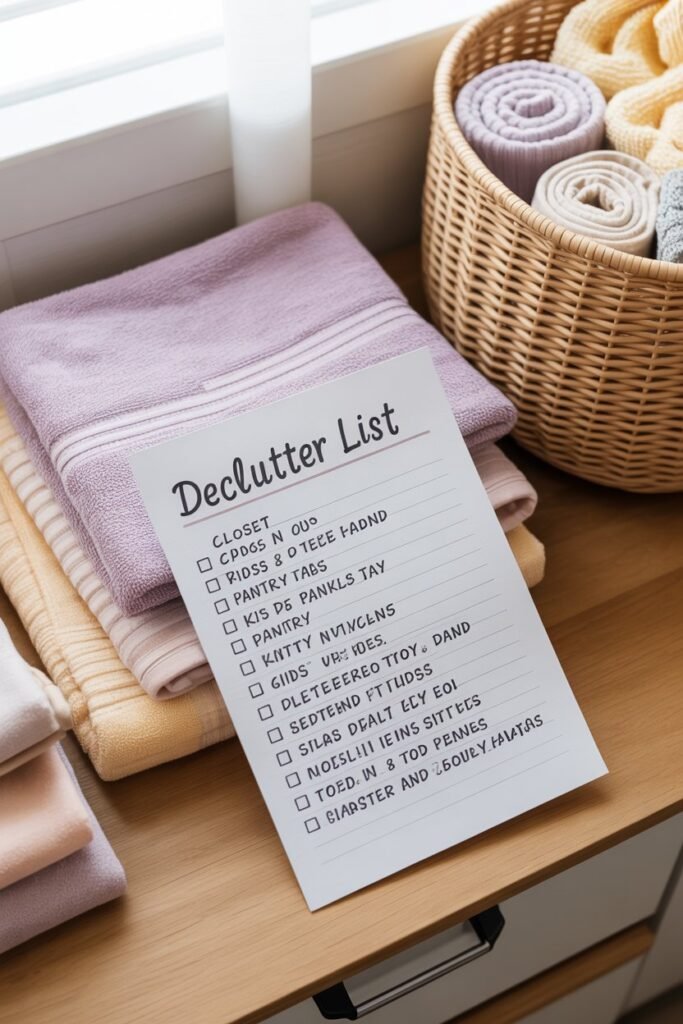
Each month, choose a few areas of your home to declutter. Write a list of spaces to tackle — like the pantry, kids’ toys, or your closet. Decluttering little by little keeps things manageable.
Pro Tip: Try the “one bag a month” rule — donate, recycle, or toss at least one bag of stuff you no longer need.
10. Personal Growth & Habits List

Staying organized isn’t just about your home and schedule — it’s also about your personal growth. Write a list of habits or routines you want to build this month. Examples: exercise three times a week, drink more water, journal at night, or spend 15 minutes reading daily.
Pro Tip: Track habits with checkboxes. Seeing your progress motivates you to stay consistent.
Why Writing Monthly Lists Works
You might be wondering — do lists really make that much of a difference? The answer is yes. Lists act like a roadmap for your month. They reduce decision fatigue (no more wondering what to cook or what to clean next), help you prioritize what really matters, and give you small wins as you check things off.
Final Thoughts
Life will never be perfectly organized, but writing these 10 monthly lists will help you feel calmer, more focused, and more in control. Start with one or two lists, then add more as it becomes part of your routine. Over time, you’ll find that your days feel less overwhelming and your home runs more smoothly.
Being organized doesn’t mean doing everything perfectly — it means creating simple systems that support your life. Grab a notebook, set aside 20 minutes at the beginning of each month, and start writing these lists. Your future self will thank you.