I Used to Avoid Budgeting Completely
For a long time, I didn’t track my money at all.
I would:
- spend when I felt like it
- hope everything worked out
- and avoid checking my balance
And every time the month ended, I’d wonder:
“Where did all my money go?”
It wasn’t that I didn’t want to save.
I just didn’t have a system.
Budgeting sounded:
- complicated
- restrictive
- and honestly… stressful
But once I simplified it, everything changed.
I didn’t feel restricted anymore.
I felt in control.
That’s exactly what I want for you.
What Budgeting Really Means (It’s Simpler Than You Think)

Budgeting is not about cutting everything out.
It’s not about saying “no” to everything you enjoy.
It’s simply:
Telling your money where to go instead of wondering where it went.
That’s it.
Why Most Beginner Budgets Fail

Before we get into the steps, you need to know this.
Most budgets don’t fail because people are bad with money.
They fail because they are:
- too complicated
- too strict
- unrealistic
I’ve made that mistake before.
Trying to track every tiny expense…
Cutting out everything fun…
Creating a perfect plan I couldn’t stick to…
And it never lasted.
The Simple Budget That Actually Works
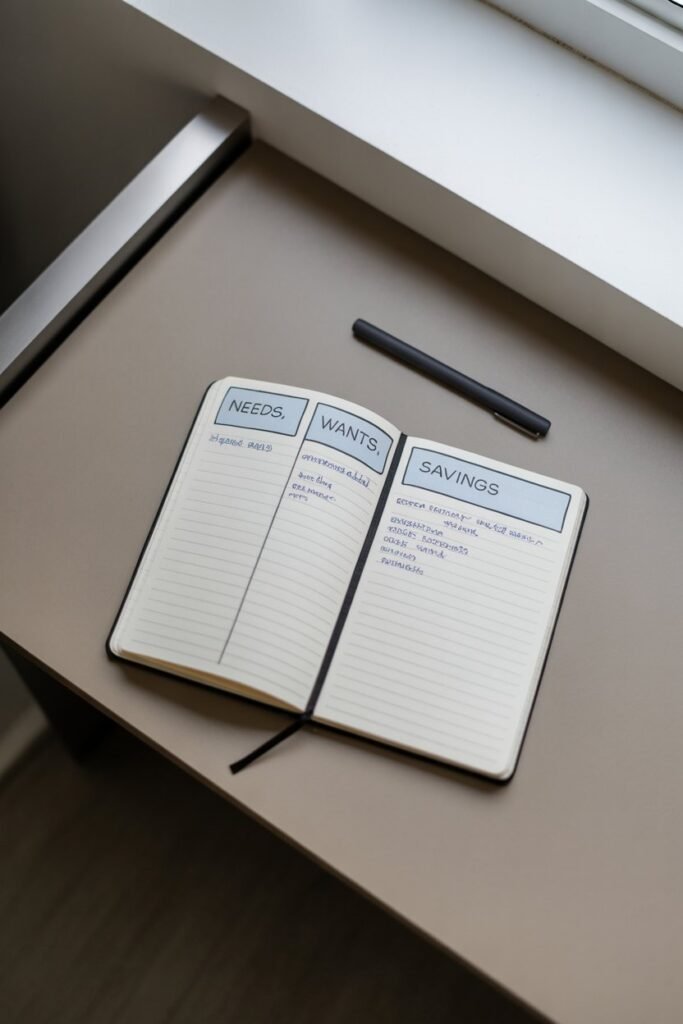
Instead of overcomplicating things, we’re going to keep it simple.
You only need 3 categories:
1. Needs
These are things you must pay:
- rent
- food
- transport
- bills
2. Wants
Things you enjoy:
- eating out
- shopping
- entertainment
3. Savings
This is your future:
- emergency fund
- investments
- goals
That’s your entire budget.
Nothing complicated.
Step 1: Know How Much Money You Actually Have

Before you plan anything, you need one number:
Your monthly income.
This includes:
- salary
- side income
- any extra money
Write it down clearly.
This is your starting point.
Step 2: Track Your Current Spending (Without Judgment)
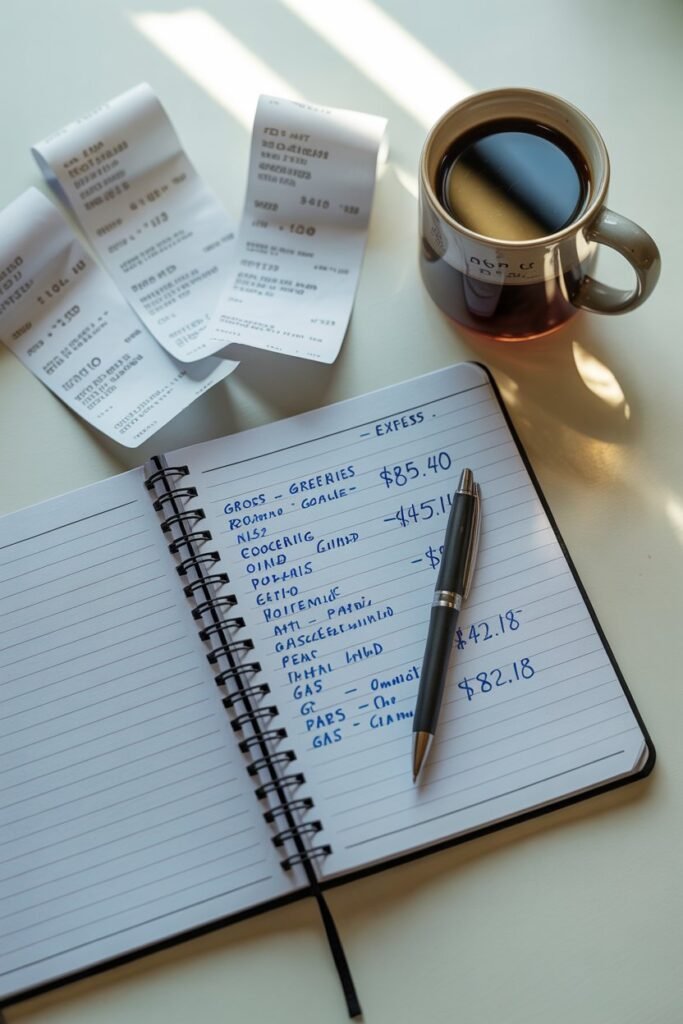
This step is important.
For the next few days, just observe.
Look at:
- what you spend
- where your money goes
Don’t try to fix anything yet.
Just notice patterns.
You might be surprised.
Step 3: Set Simple Limits (Not Extreme Ones)
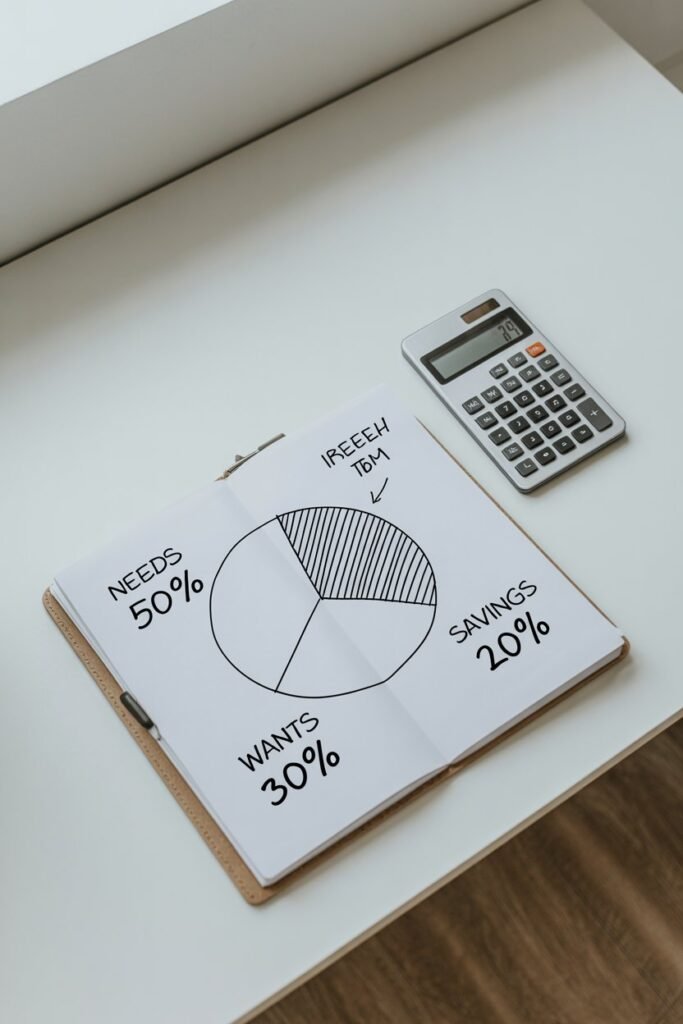
Now that you know your spending, create basic limits.
Example:
- Needs → 50–60%
- Wants → 20–30%
- Savings → 10–20%
This doesn’t have to be perfect.
It just needs to be realistic.
Step 4: Start Small (This Is Where Most People Go Wrong)
You don’t need to save a huge amount immediately.
Start with something simple like:
- saving a small percentage
- cutting one unnecessary expense
- tracking just a few categories
Small changes stick.
Big changes don’t.
Step 5: Use a Simple Method to Track It
You don’t need complicated tools.
You can use:
- a notebook
- your phone notes
- a simple spreadsheet
The goal is not perfection.
It’s awareness.
What Budgeting Should Feel Like

If your budget feels:
- stressful
- restrictive
- overwhelming
Then it’s too complicated.
A good budget should feel:
- simple
- flexible
- manageable
What Comes Next (Second Half)
In the next section, I’ll show you:
- a simple weekly budgeting routine
- common mistakes to avoid
- how to stay consistent without stress
- and how to actually grow your savings over time
A Simple Weekly Budget Routine (That Keeps You Consistent)

You don’t need to check your money every day.
That’s how people burn out.
Instead, use a simple weekly system.
Once a Week (10–15 minutes)
Pick one day. That’s your “money day.”
On that day:
- check your balance
- look at what you spent
- adjust if needed
That’s it.
No stress. No overthinking.
What I Personally Do
I sit down once a week, open my notes, and quickly ask:
- Did I overspend anywhere?
- Do I need to slow down this week?
- Am I still saving something?
That small habit changed everything for me.
The 3 Biggest Budgeting Mistakes (Avoid These)
These are the exact mistakes that make people quit.
1. Trying to Be Perfect
You don’t need a perfect budget.
You need a working one.
If you miss a day or overspend once, it’s fine.
Just adjust and move on.
2. Cutting Out Everything Fun
If your budget removes everything you enjoy, you won’t stick to it.
Keep some “fun money.”
Even a small amount makes a big difference.
3. Tracking Too Much
Trying to track every single expense can feel exhausting.
Keep it simple:
- focus on main categories
- don’t overcomplicate it
How to Stay Consistent (This Is What Actually Works)
Consistency is what makes budgeting effective.
Not perfection.
Make It Easy
The easier your system is, the more likely you’ll stick to it.
That’s why:
- simple categories
- short weekly check-ins
- flexible rules
work better than complicated plans.
Accept Imperfection
Some weeks will be better than others.
That’s normal.
Progress is what matters.
Focus on Awareness
Budgeting works because it makes you aware.
Once you see your spending clearly, you naturally make better choices.
How to Start Saving (Even If You Feel Behind)
A lot of people think:
“I don’t make enough to save.”
But saving is not about how much you make.
It’s about building the habit.
Start Small
Even saving a small amount regularly matters.
It builds consistency.
Use Simple Goals
Instead of saying:
“Save a lot of money”
Try:
- save for 1 month of expenses
- save for something specific
Clear goals make it easier.
Make It Automatic (If Possible)
If you can, move money into savings as soon as you get paid.
That way:
- you don’t have to think about it
- you don’t spend it first
What Budgeting Looks Like Over Time
At first:
- it feels new
- slightly uncomfortable
- a bit slow
After a few weeks:
- you feel more in control
- you understand your spending
- you make better decisions
After a few months:
- saving becomes normal
- you stress less about money
- you feel more confident
Frequently Asked Questions (Budgeting for Beginners)
What is the easiest way to start budgeting?
Start by splitting your money into 3 parts: needs, wants, and savings.
How much should I save each month?
Aim for 10–20% of your income, but start smaller if needed.
Can I budget if I earn little money?
Yes. Budgeting works for any income level.
How do I stick to a budget?
Keep it simple and include money for small fun expenses.
How often should I check my budget?
Once a week is enough.
Do I need an app to budget?
No. A notebook or phone notes is enough.
What is the biggest budgeting mistake?
Trying to make it too complicated.
How fast will I see results?
Usually within a few weeks of consistency.
Can I still enjoy life while budgeting?
Yes. A good budget always includes fun money.
What should I do if I overspend?
Adjust next week and keep going.
Final Thoughts
Budgeting doesn’t need to be complicated.
It doesn’t need to be strict.
And it definitely doesn’t need to feel stressful.
You just need:
- a simple system
- a little consistency
- and patience
That’s how it works.
Not overnight.
But over time.
Quick Budget Summary
- know your income
- track your spending
- keep categories simple
- check in weekly
- stay consistent
That’s your entire system.