I Used to Think You Needed a Lot of Money to Start a Business
For a long time, I believed starting a business was something “other people” did.
People with capital.
People with connections.
People with experience.
Not someone like me starting from scratch.
Every time I thought about it, I had the same mental barrier:
“I don’t have enough money to start anything serious.”
So I delayed it.
I kept waiting for the “right time.”
But here’s what I eventually learned the hard way:
There is no perfect time to start a business.
And most of the businesses people assume are expensive… actually aren’t.
The Truth About Low-Cost Businesses
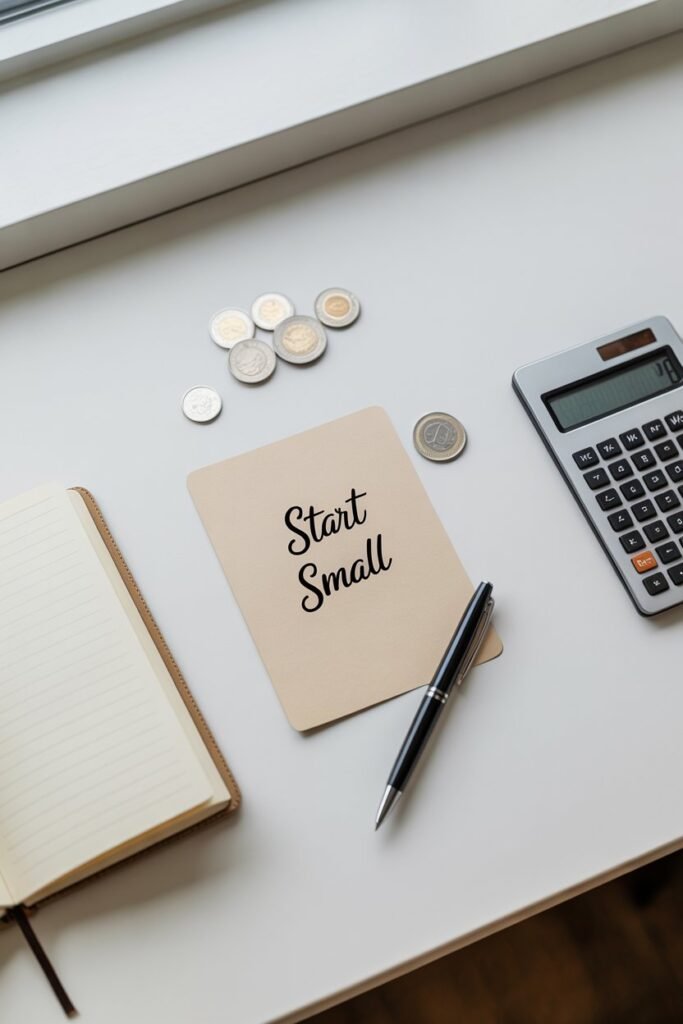
A low-cost business is not about having zero investment.
It’s about starting with what you already have and growing step by step.
Most beginners think business means:
- renting a shop
- buying large inventory
- spending heavily upfront
But in reality, many modern businesses today start with:
- a phone or laptop
- basic skills
- and consistency
That’s it.
What matters most is not how much money you start with, but how quickly you start learning.
Why Low-Cost Businesses Are the Best for Beginners

If you are just starting out, low-cost businesses give you something very important:
room to fail safely.
When you are not risking a lot of money, you can focus on learning instead of worrying.
You can test ideas.
You can make mistakes.
You can improve quickly.
And that learning process is what eventually leads to profit.
Most successful entrepreneurs didn’t start with perfect businesses.
They started small, adjusted, and grew over time.
What Makes a Business “Beginner-Friendly”

Not every idea is good for beginners.
A beginner-friendly business usually has a few key things in common:
It is simple to understand.
It doesn’t require advanced technical skills.
It can start small and scale later.
And most importantly, people already want it.
That last part is crucial.
Because the easiest way to fail in business is to sell something nobody needs.
12 Low-Cost Business Ideas You Can Start in 2026
Below are practical ideas that are realistic, flexible, and beginner-friendly. You don’t need to do all of them — just choose one that fits your lifestyle and start small.
1. Gift Basket Business

This is one of the simplest businesses to start, especially if you are creative.
You create themed gift baskets for occasions like birthdays, anniversaries, baby showers, or holidays.
The products inside are often affordable, but the way you present them is what creates value.
People are not just buying items — they are buying a ready-made gift that saves them time and effort.
2. Social Media Management
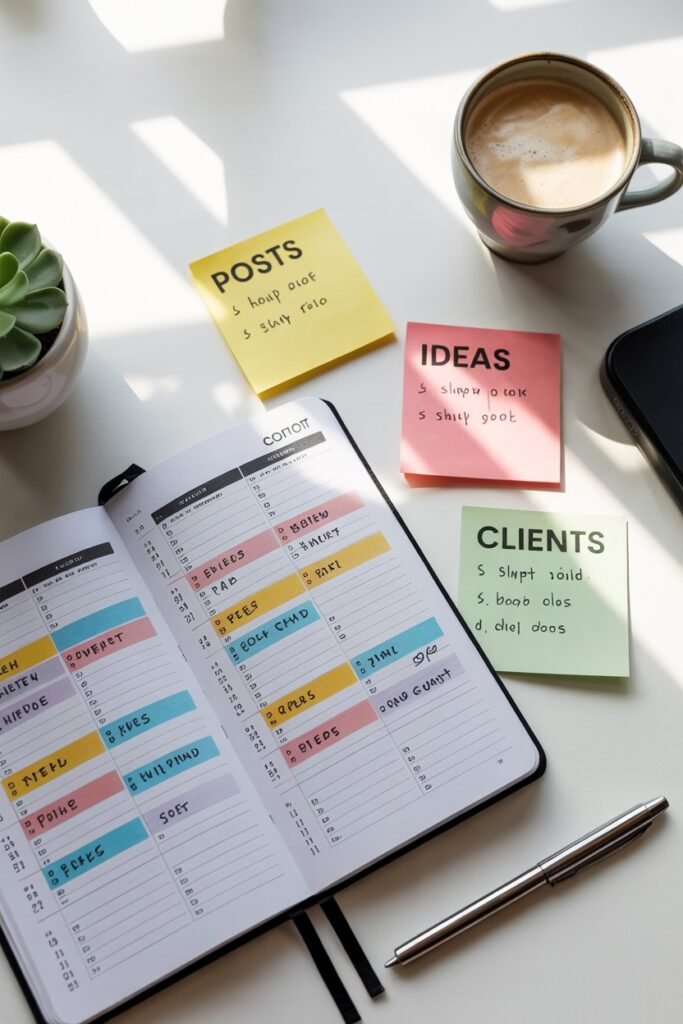
Many small businesses know they need to be online, but they don’t have the time to manage it properly.
That’s where social media managers come in.
You help them post content, reply to messages, and maintain a consistent online presence.
It is a skill-based business, and you can start learning it while you practice.
3. Freelance Writing
If you can write clearly, you already have a valuable skill.
Businesses constantly need:
- blog posts
- website content
- product descriptions
You can start small, build experience, and grow your rates over time.
4. Print-on-Demand Store

This business allows you to sell custom designs on products like shirts, mugs, or bags without holding inventory.
You create the design, and a third-party company handles production and shipping.
It removes the need for storage or upfront stock.
5. Digital Products
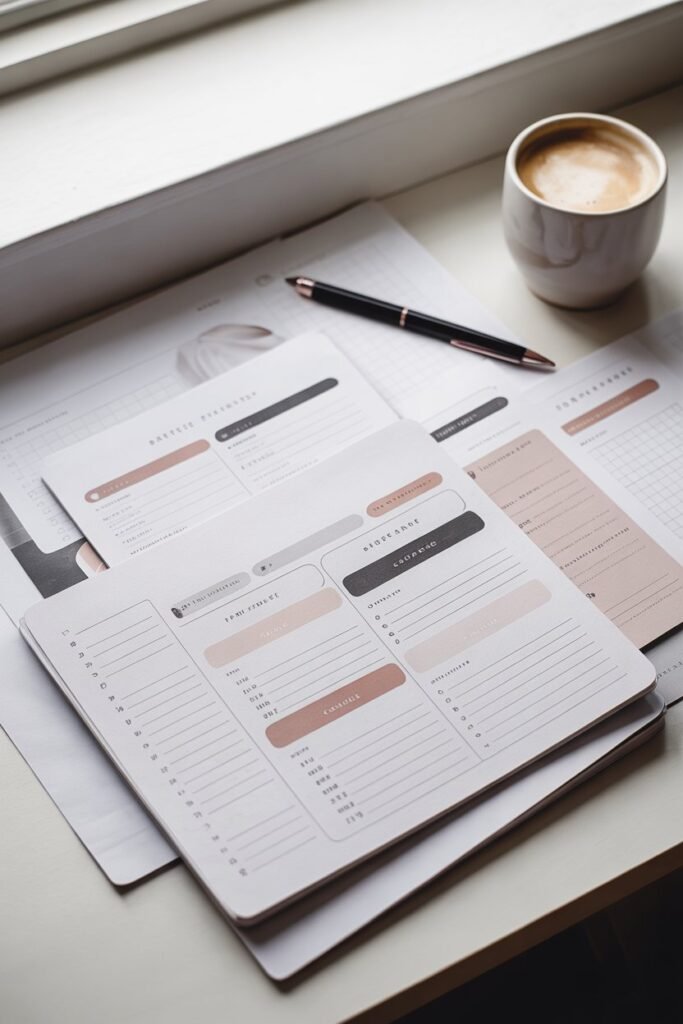
Digital products are things like:
- planners
- templates
- ebooks
You create them once and sell them repeatedly.
This is powerful because there is no physical inventory involved, and it can become passive over time.
6. Affiliate Marketing
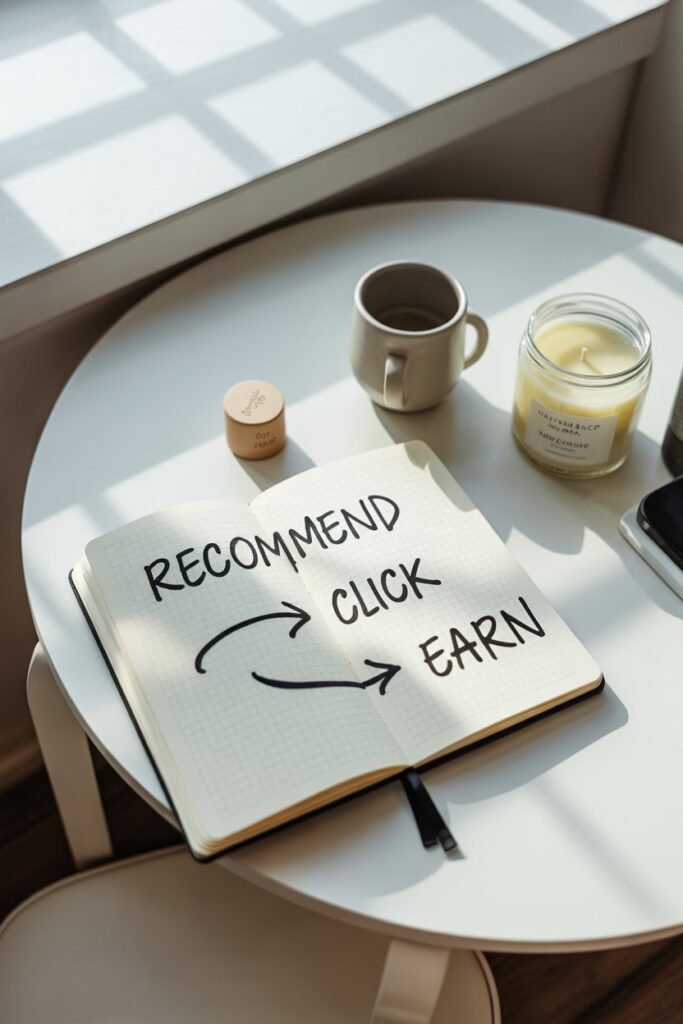
Affiliate marketing involves recommending products and earning a commission when someone buys through your link.
It works especially well on platforms like Pinterest where people are actively searching for ideas and products.
The key is to focus on helpful content, not just selling.
7. Cleaning Services
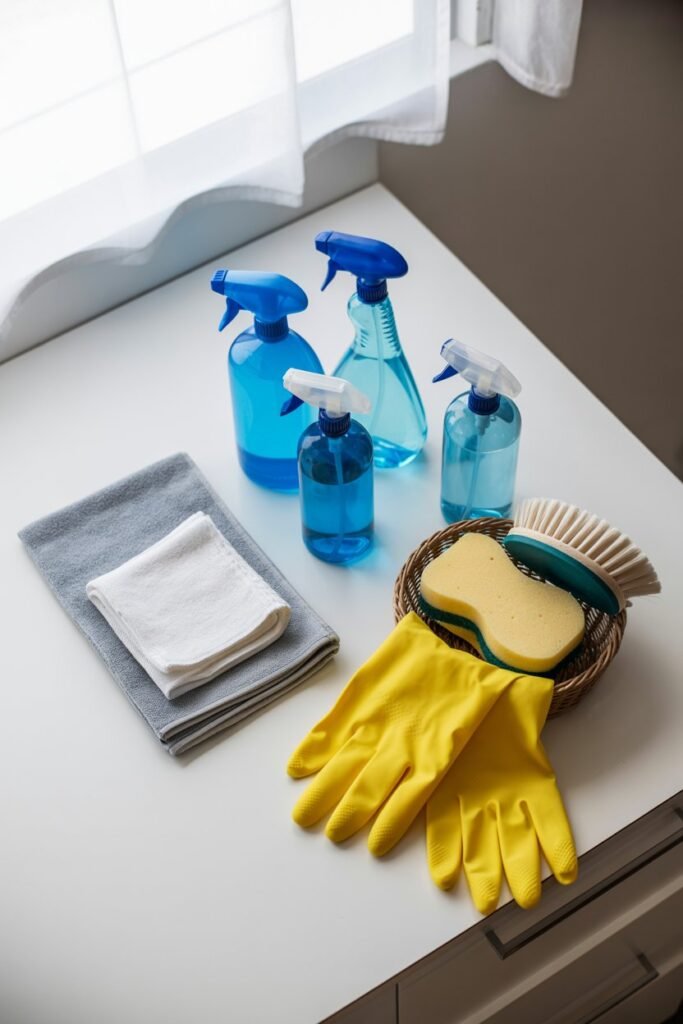
This is one of the most straightforward local businesses.
You offer cleaning services for homes or offices in your area.
It requires very little setup and can generate income quickly if done consistently.
8. Home Baking Business

If you enjoy baking, this can turn into a profitable small business.
You can start by selling cakes, cookies, or snacks from home and grow through word of mouth.
Presentation and consistency matter just as much as taste.
9. Online Tutoring

If you understand a subject well, you can teach it online.
This could be academic subjects or even skills like language learning.
It’s flexible and can be done from anywhere.
10. Reselling Products

Reselling means buying items at a lower price and selling them at a profit.
You can do this locally or online depending on your niche.
The key is understanding what people in your area actually want.
11. Content Creation
You can build a page on platforms like TikTok or Instagram around a niche you enjoy.
Over time, you can monetize through brand deals, affiliate marketing, or your own products.
12. Handmade Crafts Business
If you are creative, you can make and sell items like candles, soaps, jewelry, or home decor.
Handmade products often feel more valuable because they are unique.
How to Choose the Right Business Idea for You

At this point, you might be thinking:
“I like a few of these ideas… but which one should I actually start?”
The truth is, there is no perfect choice.
But there is a right starting point for you.
Instead of overthinking, focus on three simple things:
What can you start with what you already have?
What feels easy enough for you to begin today?
What can you stay consistent with, even when it gets slow?
Most beginners fail not because they picked the wrong idea, but because they never started the one they already had.
So choose one idea and commit to testing it for at least a few weeks.
Simple Steps to Start Any Low-Cost Business
Once you choose your idea, the next step is not perfection. It is action.
Most businesses start small and messy.
You learn as you go.
A simple way to begin is:
First, set up something basic so you can start immediately.
Then, focus on getting your first few customers, even if it is just friends, family, or small online orders.
After that, improve slowly based on what people respond to.
You do not need a full brand or perfect setup on day one.
You just need something real that exists in the world.
Mistakes Beginners Should Avoid
One of the biggest mistakes I see is people trying to make everything perfect before they start.
They spend weeks planning instead of testing.
Another common mistake is trying to do too many business ideas at once.
When you split your focus, you slow your progress in all of them.
The final mistake is expecting fast results.
Most real businesses take time to grow.
The ones that succeed are the ones that stay consistent even when nothing feels exciting yet.
How Long It Takes to See Results
This depends on the business you choose, but most low-cost businesses follow a simple pattern.
At first, things feel slow and uncertain.
Then you start getting small feedback, maybe a few views, a few messages, or your first small sale.
After that, you begin to understand what works, and things gradually improve.
The key is to stay in the game long enough to reach that point.
Frequently Asked Questions (FAQ)
What is the easiest low-cost business to start?
The easiest options are gift baskets, reselling products, and freelance writing because they require little setup.
Can I start a business with no money at all?
Yes, some businesses like content creation, affiliate marketing, and freelance writing can start with almost no money.
How do I know which business is right for me?
Choose something simple that matches your skills, interests, and what you can start immediately without stress.
Do I need experience to start a business?
No. Most beginners learn while doing. Experience builds over time.
How long does it take to make money?
Some people see small results in a few weeks, but consistent income usually takes longer depending on effort and consistency.
What is the biggest mistake beginners make?
Overthinking and waiting too long to start instead of testing their idea early.
Can low-cost businesses really grow big?
Yes. Many successful businesses started small and scaled over time with consistency.
Final Thoughts
Starting a business in 2026 does not require a big budget.
It requires a decision.
A simple idea, tested consistently, is often more powerful than a perfect idea that never starts.
You do not need to have everything figured out.
You just need to begin with something realistic and improve as you go.
Every successful business started small.
Yours can too.