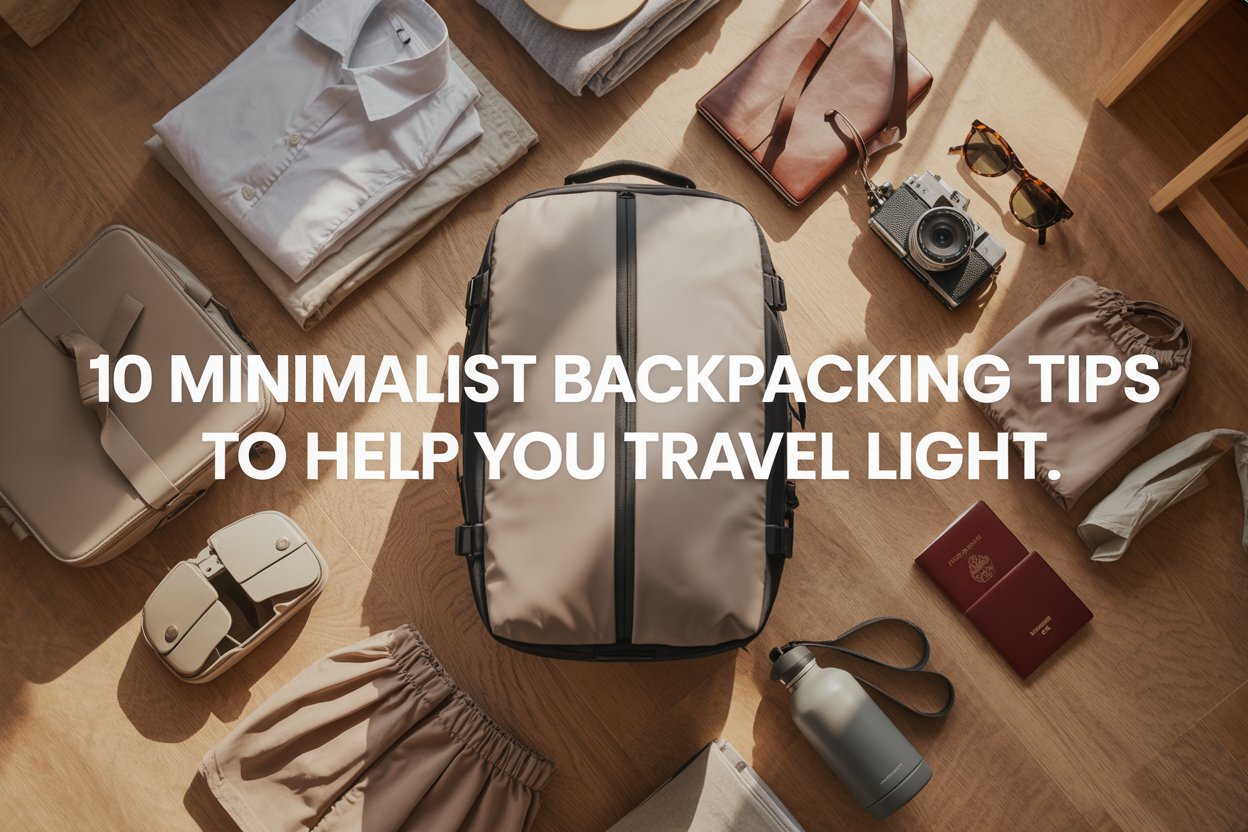
The first time I went backpacking, I packed almost everything I thought I might need.
I filled my backpack with extra clothes, multiple pairs of shoes, bulky toiletries, and plenty of “just in case” items that seemed like good ideas at the time.
A few hours into my trip, I realized I had made a huge mistake.
My backpack felt heavier with every step, climbing stairs became exhausting, and I found myself digging through my bag just to find simple things like a phone charger or a clean shirt.
The funny part was that I barely used half of what I packed.
Since then, I have completely changed the way I travel.
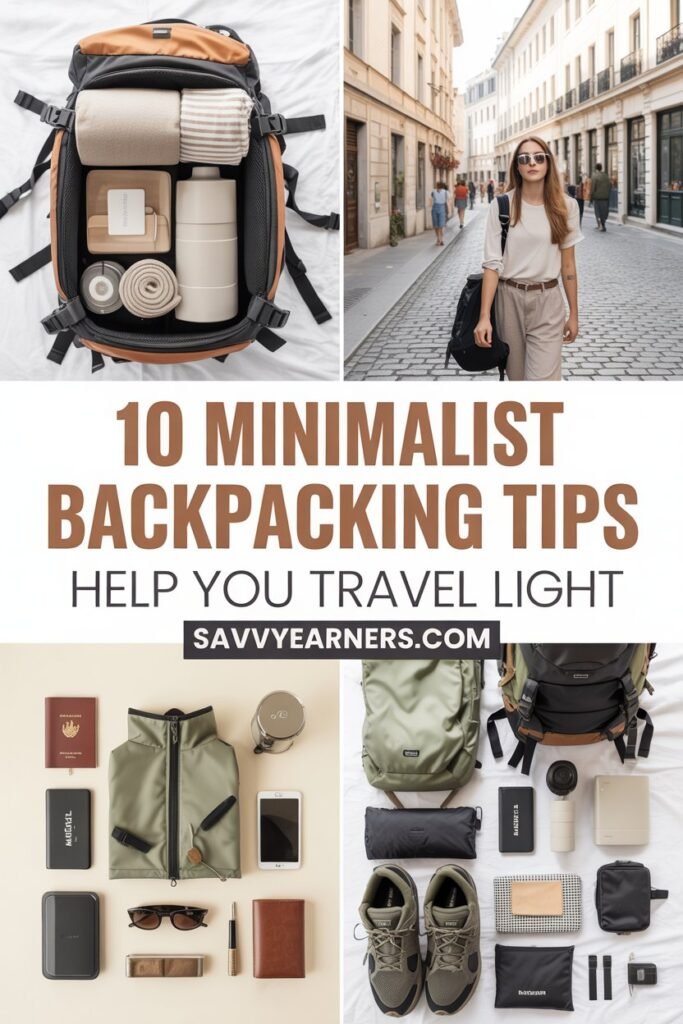
Instead of bringing more, I focus on bringing better.
Packing light has made every trip easier. I move through airports faster, enjoy walking around new cities without sore shoulders, and spend less time worrying about my belongings and more time enjoying the experience.
Minimalist backpacking is not about owning less for the sake of it.
It is about carrying only what truly adds value to your trip.
These simple tips have helped me travel lighter without feeling like I am missing anything important.
Why Traveling Light Makes Every Trip Better
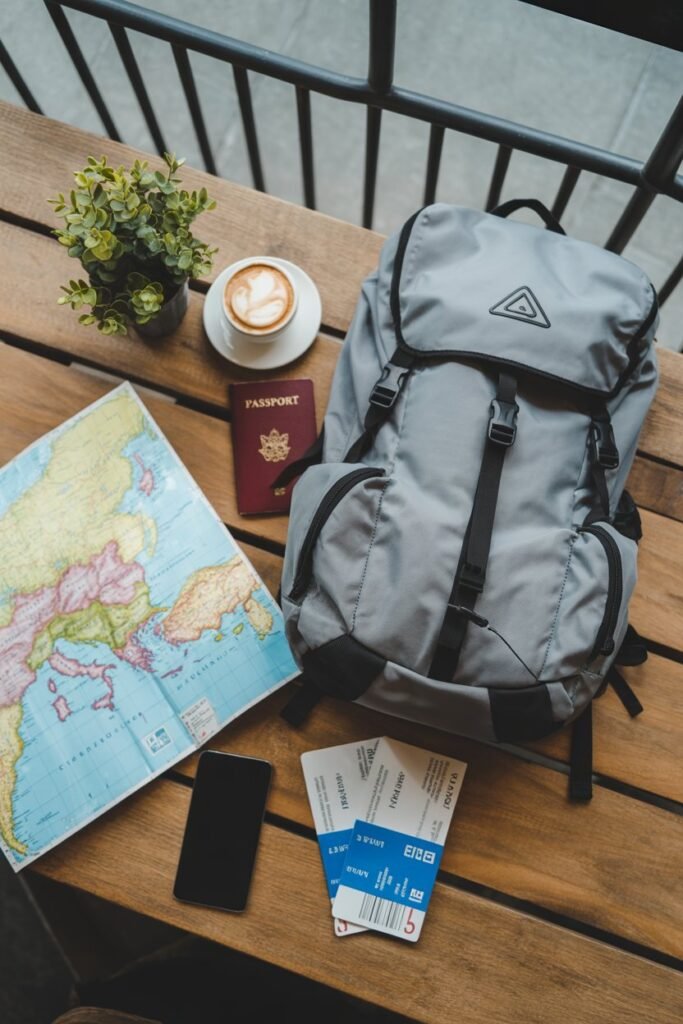
One of the biggest misconceptions about backpacking is that you need to prepare for every possible situation.
I used to think the same way.
In reality, carrying a heavy backpack often creates more problems than it solves.
Every unnecessary item adds weight, takes up space, and makes moving between airports, train stations, buses, and hotels more tiring than it needs to be.
Traveling light gives you more freedom.
You spend less time packing and unpacking, avoid heavy lifting, and can focus more on exploring your destination instead of managing your luggage.
Some of the biggest benefits I have noticed include:
- Moving through airports much faster
- Easier train and public transportation travel
- Less physical strain on your back and shoulders
- Faster hotel check-ins and check-outs
- More flexibility during multi-city trips
- Less time searching for items
- More room for souvenirs
- Lower chance of paying baggage fees
The goal is not to travel with the smallest backpack possible.
It is to carry only what you know you will actually use.
1. Choose the Smallest Backpack That Fits Your Trip
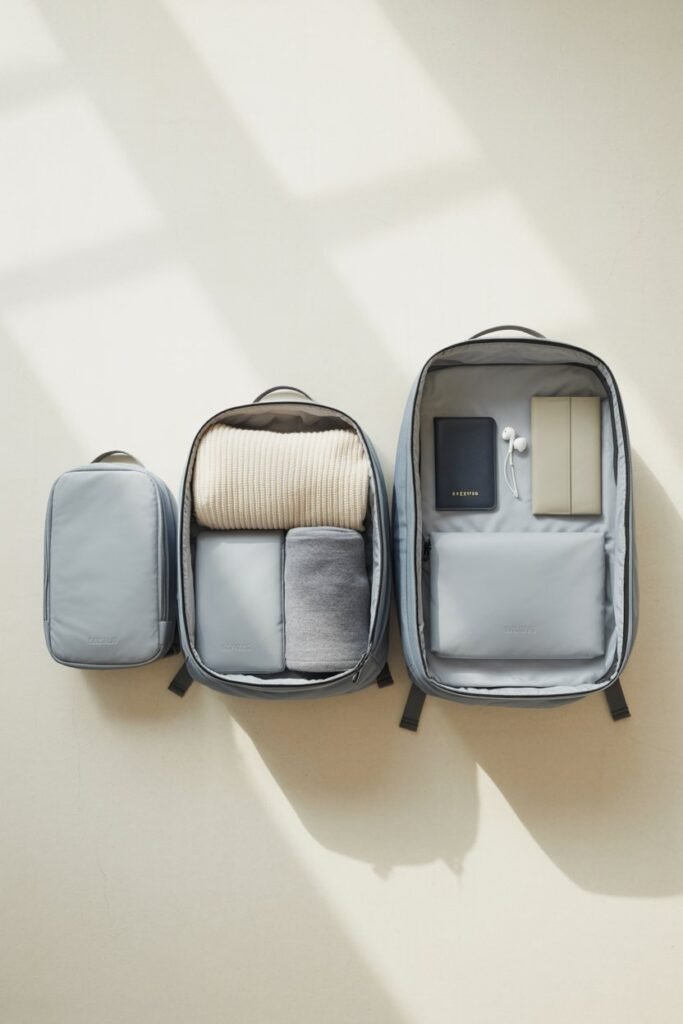
This completely changed the way I pack.
When I owned a large backpack, I always found ways to fill it.
Once I switched to a smaller travel backpack, I naturally became much more intentional about every item I packed.
A smaller bag encourages smarter decisions because space is limited from the beginning.
Why I Always Start Here
The size of your backpack sets the tone for your entire packing process.
Choosing a bag that is too large often leads to packing unnecessary extras simply because there is room available.
What I Look For
- Comfortable shoulder straps
- Padded back panel
- Lightweight construction
- Multiple compartments
- Durable water-resistant fabric
- Lockable zippers
- Laptop sleeve if needed
My Tip
Choose your backpack after deciding how long your trip will be, not the other way around.
For most international trips lasting one to two weeks, a well-organized 35 to 40-liter backpack is more than enough.
2. Build a Travel Capsule Wardrobe
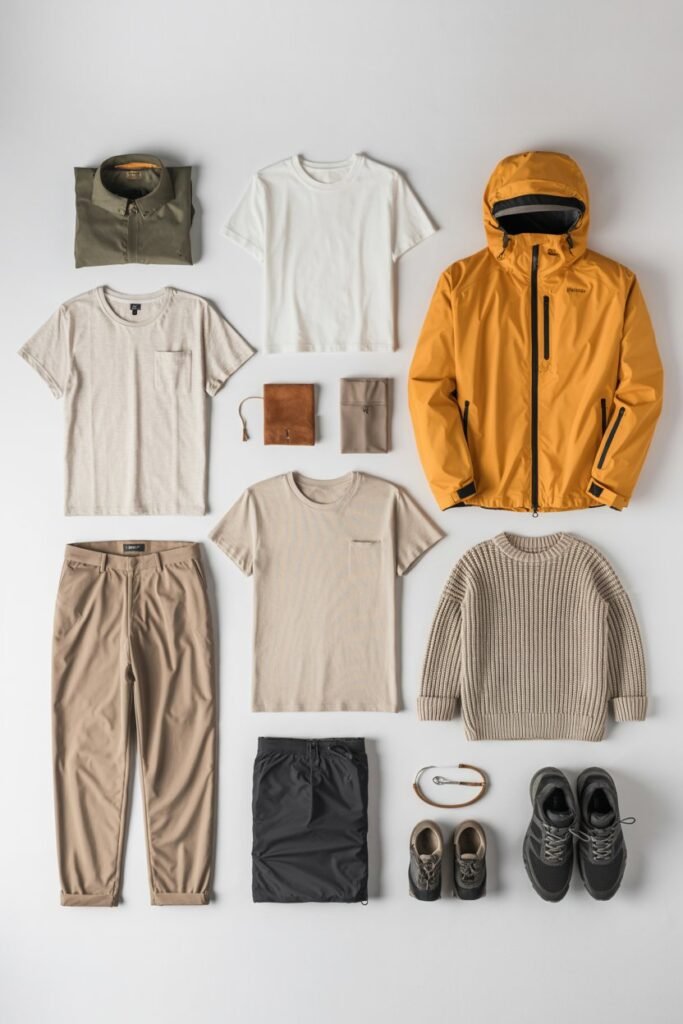
This is easily the biggest space-saving strategy I use.
Instead of packing individual outfits, I pack clothing that mixes and matches effortlessly.
Every shirt works with multiple bottoms, every layer complements the rest of my wardrobe, and every item earns its place.
This simple approach gives me far more outfit combinations while taking up much less space.
Why It Works So Well
Packing versatile clothing removes the temptation to bring items that only work once.
It also makes getting dressed during the trip much quicker.
What I Usually Pack
- 5 lightweight tops
- 2 pairs of pants or shorts
- 1 lightweight sweater
- 1 waterproof jacket
- Sleepwear
- Undergarments
- Comfortable walking shoes
- Lightweight sandals if needed
My Tip
Stick with neutral colors like black, white, gray, navy, and beige.
Everything pairs together naturally, giving you more outfit choices without adding more clothing.
3. Pack Multi-Purpose Items Whenever Possible
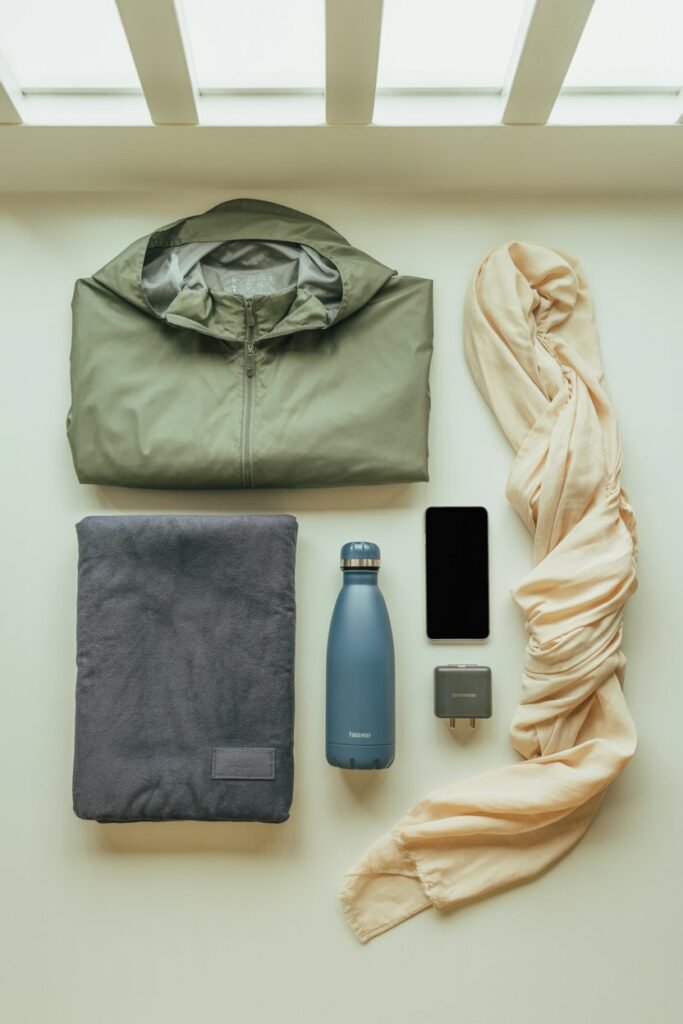
One lesson I learned quickly is that every item should ideally serve more than one purpose.
The fewer single-use items you pack, the lighter and more organized your backpack becomes.
Now, whenever I pack something, I ask myself one simple question.
“Can this replace something else?”
If the answer is yes, it usually earns a place in my bag.
My Favorite Multi-Purpose Items
- Lightweight scarf that doubles as a blanket
- Packing cubes for organization
- Microfiber towel
- Reusable water bottle
- Phone with offline maps and travel documents
- Neutral sneakers suitable for sightseeing and casual dinners
- Lightweight jacket that layers easily
My Tip
Avoid packing duplicate items “just in case.”
If one versatile item can do the job, leave the extra one at home.
4. Follow the One Week Packing Rule
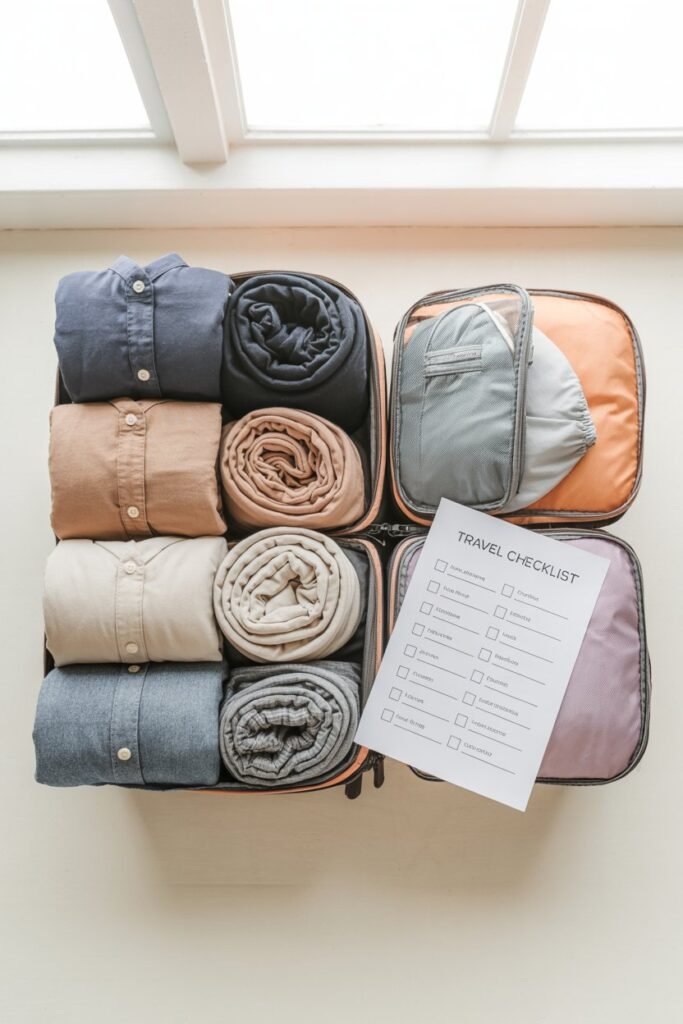
One of the best travel lessons I have learned is that you rarely need more than a week’s worth of clothing.
Whether I am traveling for ten days or a full month, I still pack enough clothes for about seven days and simply do laundry if needed.
At first, this idea felt risky.
Now, I cannot imagine traveling any other way.
Why I Love This Method
It immediately cuts down on overpacking and keeps my backpack at a manageable weight.
Most hotels, hostels, and vacation rentals have laundry facilities nearby, making it easy to refresh your clothes during longer trips.
What I Pack
- 7 pairs of underwear
- 7 pairs of socks
- 5 tops
- 2 bottoms
- 1 sweater
- 1 lightweight jacket
- 1 set of sleepwear
My Tip
Quick-drying clothing is worth every penny.
It washes easily in a sink and is often dry by the next morning.
5. Limit Yourself to Two Pairs of Shoes
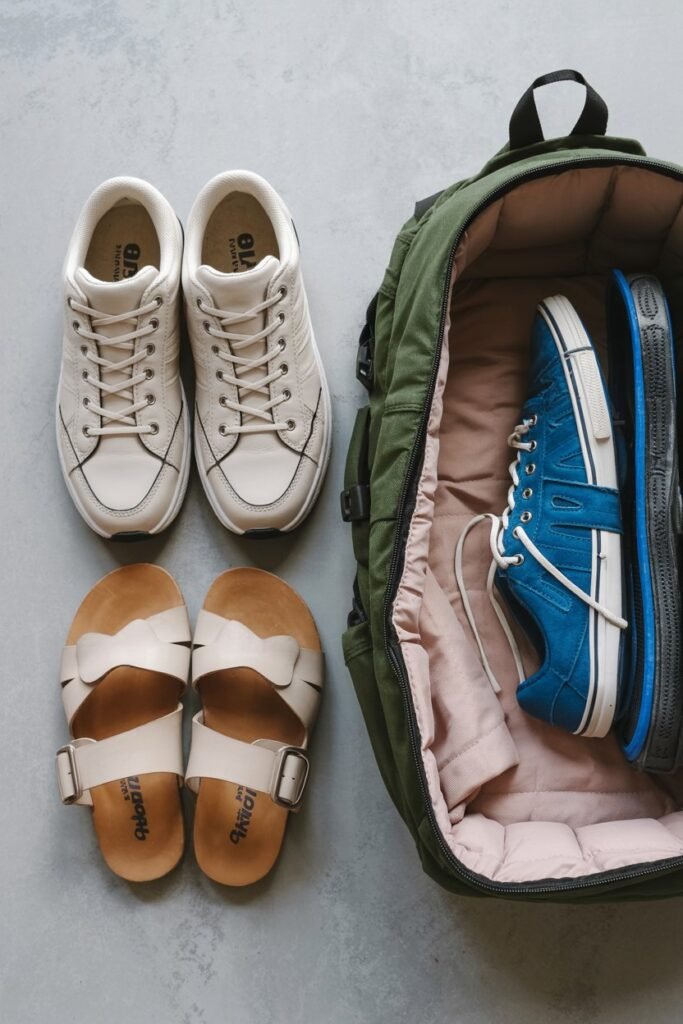
Shoes are one of the biggest reasons backpacks become heavy.
I used to pack sneakers, sandals, dress shoes, hiking boots, and flip-flops.
Most of them barely left my bag.
Now I keep things simple.
Why It Works
One comfortable pair of walking shoes and one lightweight secondary option cover almost every situation.
My backpack feels noticeably lighter, and I still have everything I need.
My Go-To Combination
- Comfortable walking sneakers
- Lightweight sandals or casual slip-ons
My Tip
Wear your bulkiest shoes while traveling instead of packing them.
This frees up valuable space inside your backpack.
6. Keep Toiletries Small
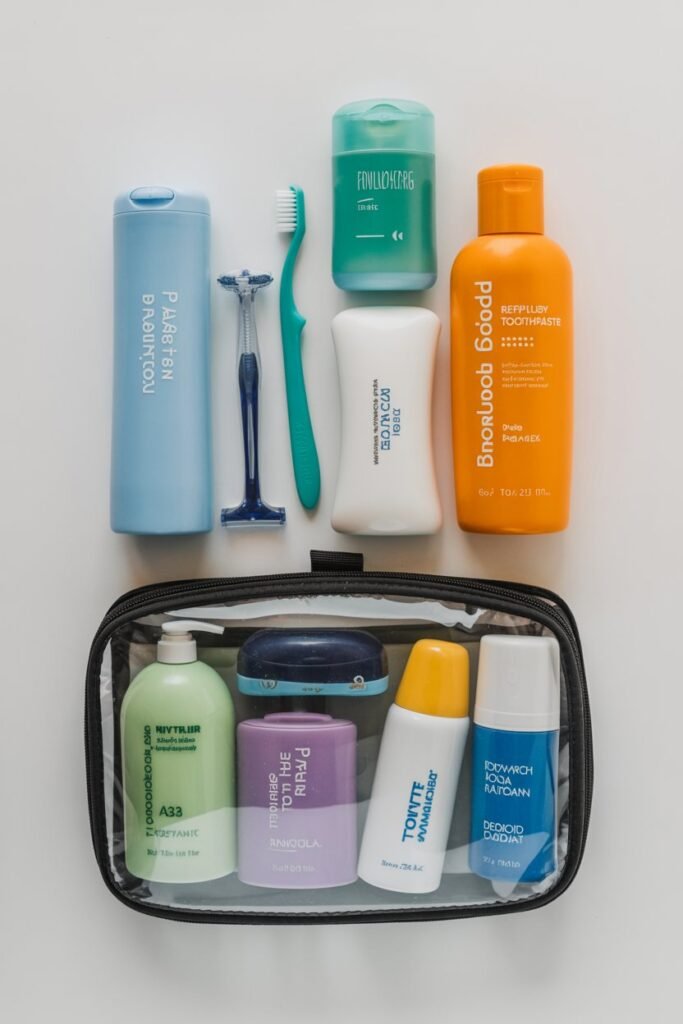
Toiletries can quietly take up far more room than most people expect.
I used to pack full-size bottles simply because they were already sitting in my bathroom.
Now I transfer everything into travel-sized containers.
Why I Never Pack Full-Size Bottles
Smaller containers save space, reduce weight, and make airport security much easier.
Most destinations also sell basic toiletries if you happen to run out.
My Travel Essentials
- Toothbrush
- Toothpaste
- Shampoo
- Conditioner
- Body wash
- Moisturizer
- Sunscreen
- Deodorant
- Razor
My Tip
Only pack enough for the beginning of your trip.
If necessary, you can always buy replacements once you arrive.
Minimalist Packing Habits That Changed the Way I Travel
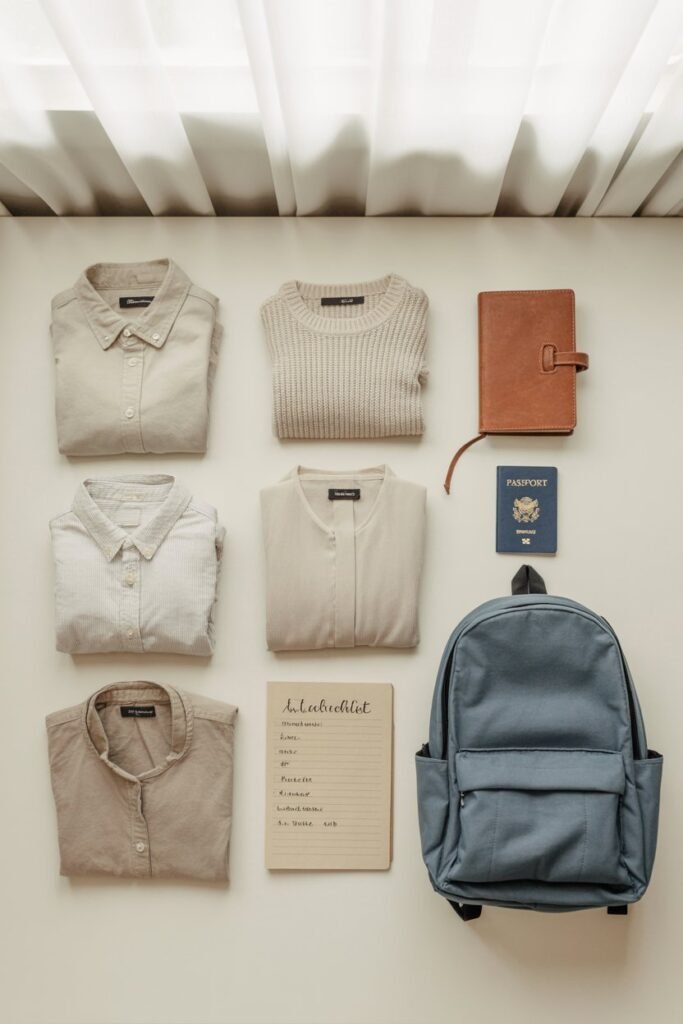
Packing light is not really about buying special gear.
It is about building better habits.
One habit that has helped me tremendously is laying everything out before I start packing. Seeing every item in one place makes it much easier to spot duplicates and remove anything that is unnecessary.
Another habit is packing a day before I leave rather than rushing at the last minute. When I give myself time, I almost always end up removing several items that I realize I do not actually need.
Finally, I remind myself that almost anything can be purchased while traveling if an unexpected need comes up. Keeping that in mind helps me avoid packing for unlikely situations and keeps my backpack much lighter.
7. Use Packing Cubes to Stay Organized
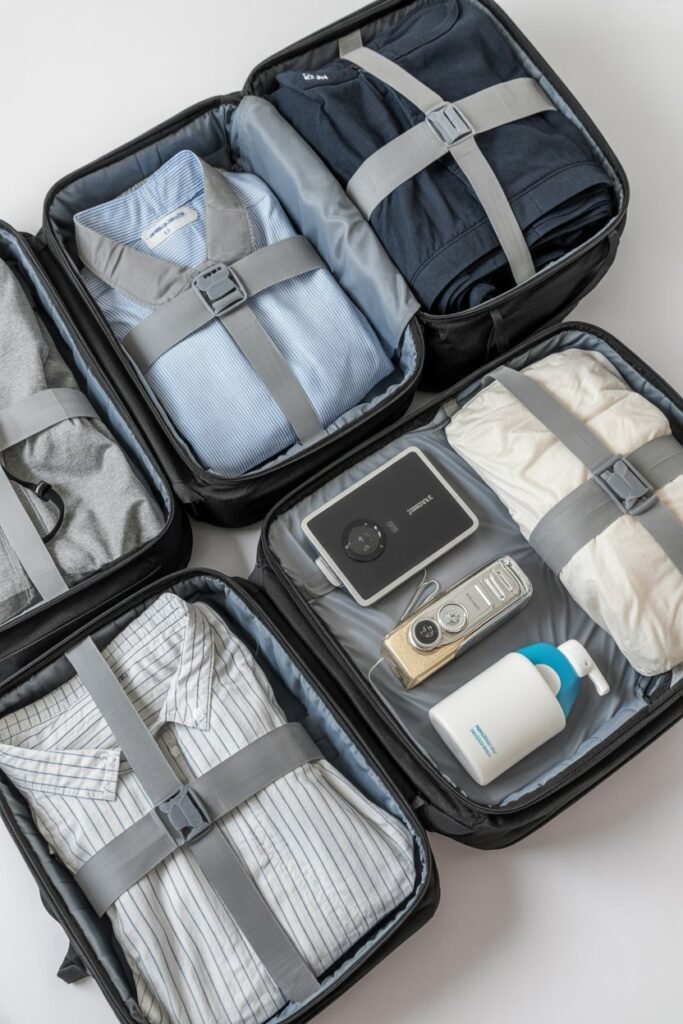
Packing cubes are one travel accessory I never thought I needed until I actually tried them.
Now I would not pack without them.
They do not magically create extra space, but they make your backpack feel much more organized and easier to use.
Instead of unpacking everything to find one T-shirt, I simply pull out the packing cube I need.
Why They Make Such a Difference
Packing cubes keep similar items together, help compress clothing slightly, and make moving between hotels or hostels much quicker.
I also like using one empty cube for dirty laundry during my trip.
What I Organize
- Tops
- Bottoms
- Underwear and socks
- Sleepwear
- Electronics
- Toiletries
- Laundry
My Tip
Avoid stuffing your cubes until they are completely full.
Leaving a little extra room makes them easier to zip and fit inside your backpack.
8. Pack Digital Instead of Paper
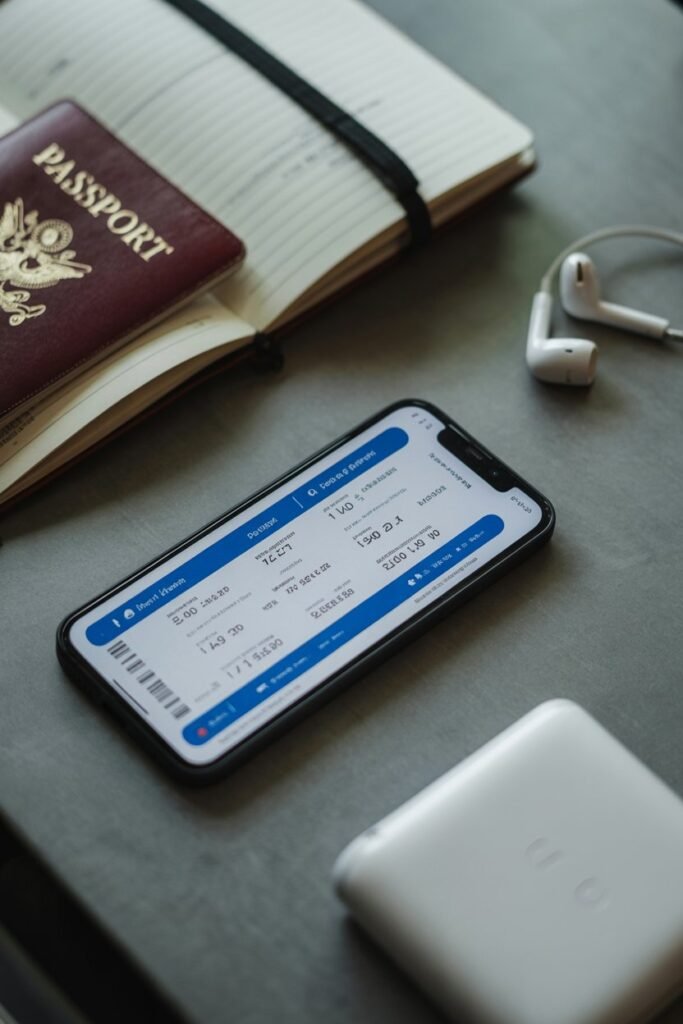
Years ago, I carried printed boarding passes, hotel confirmations, maps, travel guides, and copies of every reservation.
Today, almost all of those documents live safely on my phone.
Going digital has saved a surprising amount of space and made travel much more convenient.
Why I Prefer Digital Copies
Everything is organized in one place, easy to access, and backed up in case something gets lost.
I still keep important documents available offline so I can access them without an internet connection.
What I Save on My Phone
- Boarding passes
- Hotel reservations
- Train tickets
- Offline maps
- Travel itinerary
- Emergency contacts
- Travel insurance details
My Tip
Store digital copies in more than one location, such as cloud storage and offline downloads, so you always have a backup.
9. Leave Space in Your Backpack
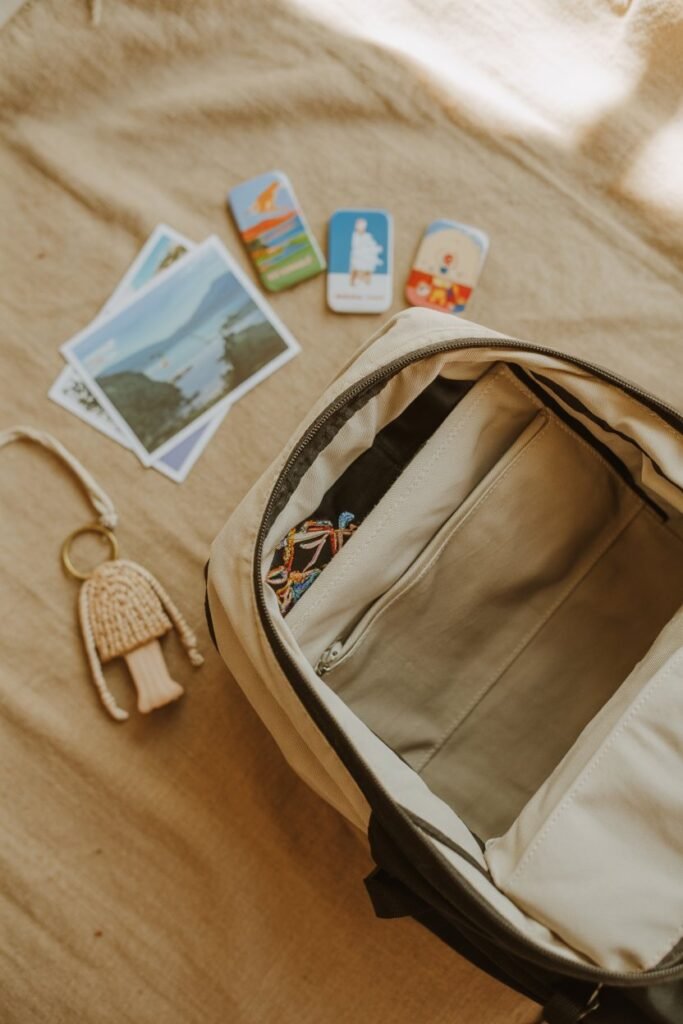
One mistake I used to make was packing every available inch of my backpack.
It looked organized at home, but it became a problem as soon as my trip started.
I had nowhere to store souvenirs, snacks, or small purchases along the way.
Now I intentionally leave a little extra room.
Why I Always Do This
A partially filled backpack is much easier to repack, stays organized longer, and gives me flexibility throughout the trip.
My Tip
Aim to leave around 15 to 20 percent of your backpack empty before you leave home.
You will almost always appreciate the extra space later.
10. Review Everything Before You Zip Your Bag
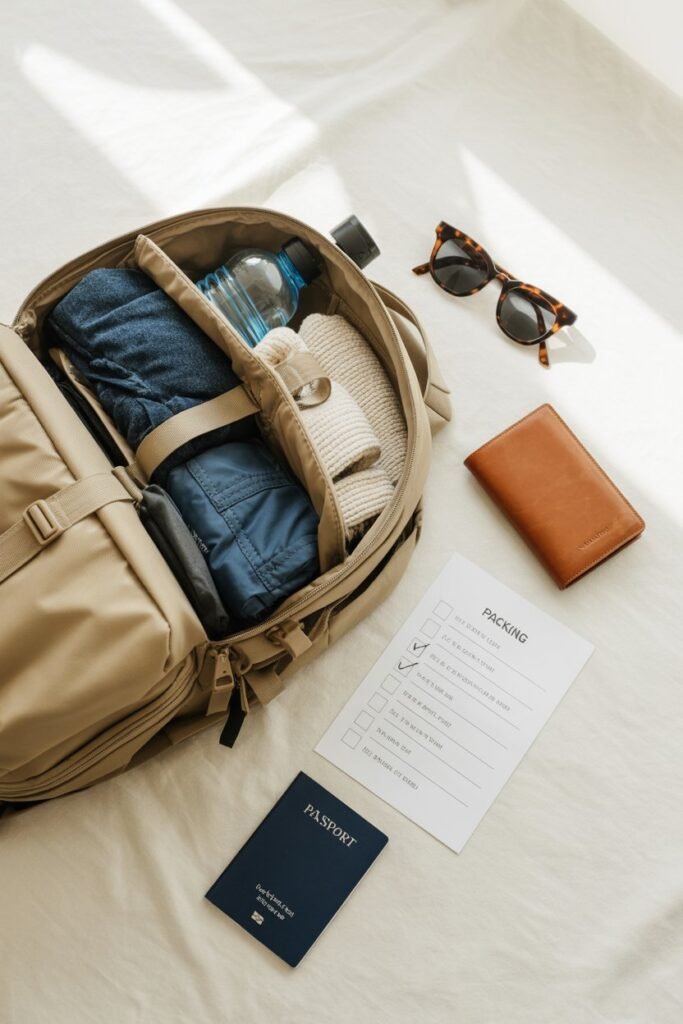
This final step has saved me from overpacking more times than I can count.
Once my backpack is packed, I go through every single item one last time.
For each one, I ask myself a simple question.
“Will I realistically use this?”
If I hesitate, the item usually stays home.
Why This Works
It removes the last few unnecessary items that quietly add weight without adding value.
Most of the time, I end up taking out at least one shirt, an extra gadget, or a pair of shoes I do not actually need.
My Tip
Remember that traveling light is about confidence.
Trust yourself to adapt instead of packing for every possible scenario.
My Favorite Minimalist Travel Essentials
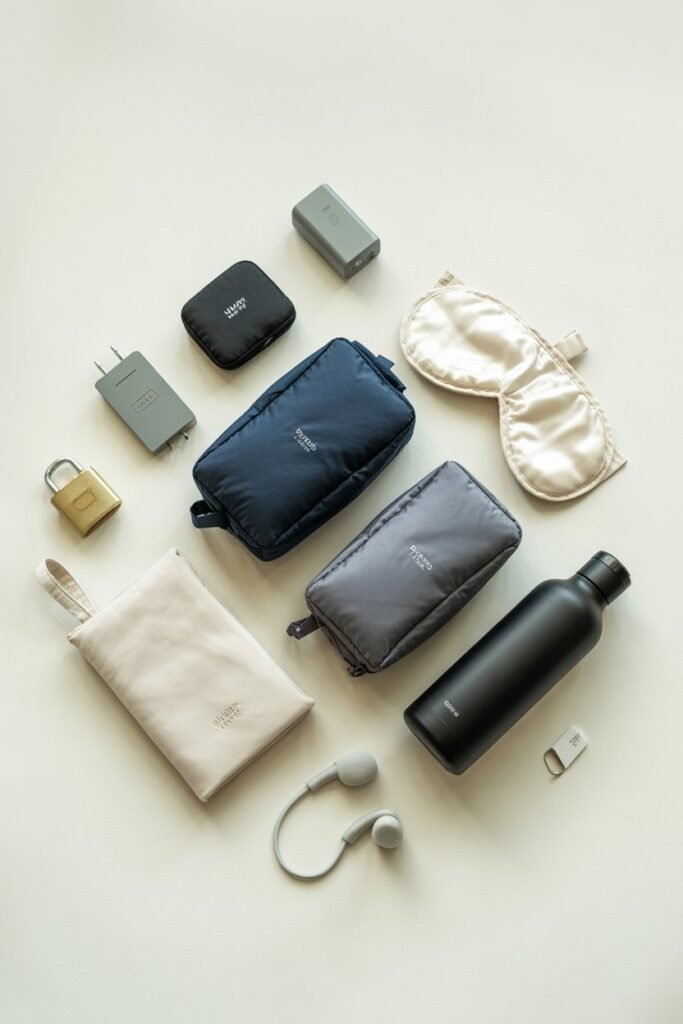
Over the years, I have refined my packing list to include only the items that consistently make traveling easier.
These essentials earn a place in my backpack every single trip because they are lightweight, practical, and genuinely useful.
Some of my favorites include:
- Lightweight packing cubes
- Reusable water bottle
- Portable power bank
- Universal travel adapter
- Noise-canceling earbuds
- Compact microfiber towel
- Foldable tote bag
- Refillable toiletry bottles
- Collapsible laundry bag
- Small first aid kit
- Travel lock
- Eye mask and earplugs
Each item serves a clear purpose without taking up unnecessary space.
Common Minimalist Backpacking Mistakes
When I first started traveling with only a backpack, I made plenty of mistakes.
Fortunately, they taught me valuable lessons that still help me pack smarter today.
Here are a few common mistakes worth avoiding:
- Packing too many clothes
- Bringing more than two pairs of shoes
- Carrying full-size toiletries
- Filling every inch of your backpack
- Packing duplicate electronics
- Forgetting to check the weather
- Ignoring airline carry-on limits
- Waiting until the last minute to pack
The more intentional you become with your packing, the easier every trip feels.
Final Thoughts
Minimalist backpacking is not about sacrificing comfort or trying to fit your entire trip into the smallest bag possible.
It is about traveling with purpose.
Every item you pack should make your journey easier, not heavier.
Once I stopped packing for every unlikely situation and started focusing on what I actually needed, traveling became far more enjoyable. I moved through airports faster, explored cities more comfortably, and spent much less time managing my luggage.
If you are new to minimalist travel, start small.
Challenge yourself to remove just a few unnecessary items from your next trip. You will probably discover that you needed far less than you originally thought.
Over time, packing light becomes second nature, and you may find that the freedom of carrying less is one of the best parts of traveling.