
I used to think travel bucket lists were only for people who had everything figured out.
You know the type. The ones who already knew exactly where they wanted to go, had dream destinations lined up, and somehow made it all happen.
That was not me.
For the longest time, I would see beautiful places online, save them, forget about them, and never actually turn those ideas into real plans.
It felt more like daydreaming than something I could actually do.

Everything changed when I finally sat down and created my first real travel bucket list.
Not just a random collection of places, but something intentional. Something I could actually work toward.
And once I did that, travel stopped feeling overwhelming and started feeling possible.
If you have a long list of places you want to visit but no clear way to organize or prioritize them, this guide will help you turn those ideas into something real.
Why You Should Have a Travel Bucket List

Before we get into the “how,” I want to talk about why this matters.
Because a travel bucket list is not just about writing down places.
It gives direction to your goals.
When I did not have one, I would scroll through destinations and feel inspired for a moment, but nothing ever came from it. There was no structure, no plan, and no sense of progress.
Once I created a list, everything changed.
I started noticing opportunities. I became more intentional with saving money. I even planned my time differently because I had something specific to look forward to.
It turned travel from something vague into something actionable.
How to Start Your Travel Bucket List (Without Overthinking It)
This is where most people get stuck.
They think they need the perfect list right away, or that they need to choose the “best” destinations first.
You do not.
The goal is to start, not to perfect it.
1. Tropical Beach Destinations That Force You to Slow Down

At some point, I realized I was always busy, even on days that were supposed to feel like a break.
That is exactly why beach destinations became essential on my list.
What This Experience Actually Feels Like
You wake up naturally instead of to an alarm.
There is no urgency to the day. No strict plan. No pressure to “do enough.”
You might walk along the water in the morning, sit somewhere quiet in the afternoon, and watch the light change in the evening without even noticing how much time has passed.
It is one of the few travel experiences where doing less actually feels like more.
What Most People Get Wrong
A lot of people book crowded, overly commercial beach spots and end up feeling just as rushed as they do at home.
The goal here is not just “a beach.”
It is choosing places that feel calm, open, and unhurried.
What to Add to Your List
- Smaller islands where things feel slower and less crowded
- Quiet coastal towns where you can walk everywhere
- Stays that are designed around relaxation, not activity
- Beaches that feel a little hidden or less obvious
2. Iconic Cities That Feel Alive From the Moment You Arrive

There are certain cities you recognize instantly, even if you have never been there.
I used to think they were overhyped.
Until I visited one.
What This Experience Actually Feels Like
You step outside and immediately feel the energy.
People moving, conversations happening, food being made, music in the background, small moments everywhere.
Even something simple like getting coffee or walking down a street feels like part of the experience.
You are not just visiting a place. You are stepping into a completely different rhythm of life.
What Makes These Trips Memorable
It is not about seeing everything.
It is about letting yourself get slightly lost in it.
Taking a wrong turn and finding something unexpected usually ends up being the best part.
What to Add to Your List
- Cities known for strong culture and identity
- Places where food is a big part of the experience
- Cities you have seen repeatedly and feel drawn to
- Locations where you want to explore without a strict plan
3. Nature Destinations That Reset Your Mind Completely
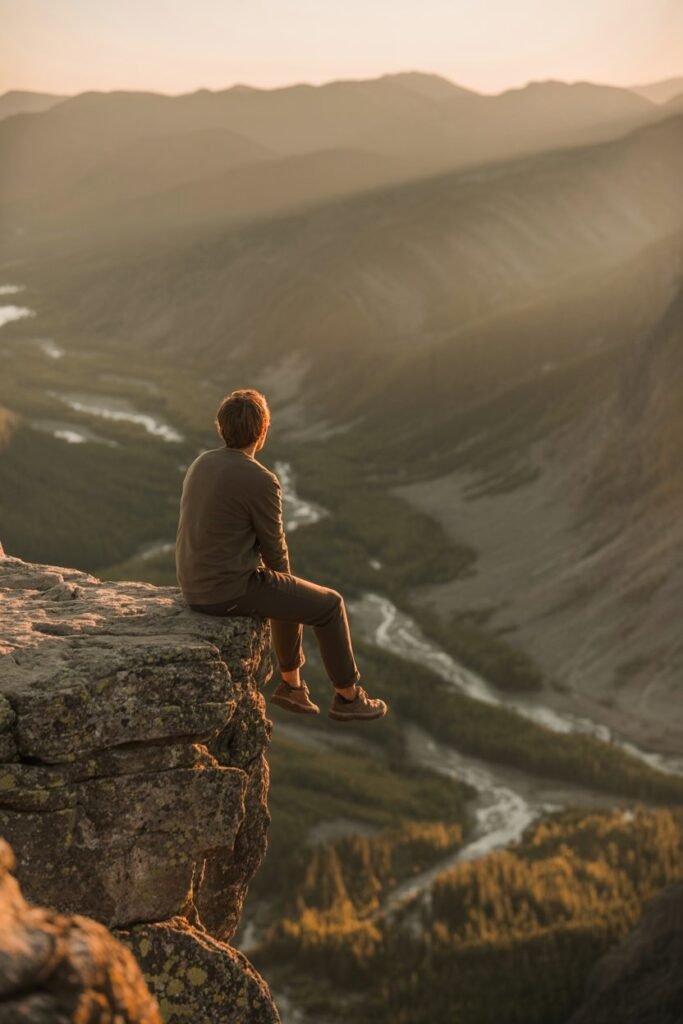
This is the category I underestimated the most.
And now it is the one I value the most.
What This Experience Actually Feels Like
Everything becomes quieter.
Not just around you, but in your head too.
You notice things you normally ignore. The sound of wind, the way light hits a landscape, how still everything feels compared to everyday life.
There is no constant stimulation, and that is exactly why it feels so different.
Why These Trips Stay With You
They create a different kind of memory.
Not fast or exciting in the usual way, but deeper and more lasting.
You come back feeling like you actually had space to think.
What to Add to Your List
- Mountain destinations with open views
- National parks with unique landscapes
- Waterfalls, forests, or lakes that feel untouched
- Places where you can disconnect without distractions
4. Once-in-a-Lifetime Experiences You Will Always Remember
Some things are not just about where you go, but what happens while you are there.
These are the moments that stand out years later.
What This Experience Actually Feels Like
It is usually something you planned for, waited for, or timed carefully.
And when it finally happens, you are fully present in a way that is hard to explain.
You are not thinking about anything else. Just the moment itself.
Why These Matter So Much
Because they are specific.
It is not just “I traveled there.” It is “I experienced this exact thing.”
That level of detail is what makes memories stick.
What to Add to Your List
- Seasonal or rare natural events
- Cultural festivals or traditions
- Unique experiences tied to a location
- Activities you cannot easily recreate anywhere else
5. Realistic Short Trips That You Can Actually Take Soon
This is the category that changed everything for me.
Because without it, my bucket list stayed a list.
What This Experience Actually Feels Like
It feels doable.
You are not waiting for the “perfect time” or a big budget. You are actually taking action, even in small ways.
And that builds momentum.
Why This Is So Important
Most people only focus on big, dream destinations.
But if everything on your list feels far away, it becomes easy to keep postponing it.
Short trips keep your bucket list active instead of aspirational.
What to Add to Your List
- Nearby cities you have never explored
- Weekend trips that require minimal planning
- Local hidden spots you keep putting off
- Quick nature escapes that feel like a reset
What Changed for Me After Organizing My List Like This

Once I stopped randomly saving places and started thinking in experiences, everything became clearer.
I could see what I actually wanted more of. What I was missing. What I was adding just because it looked good online.
And for the first time, my bucket list did not feel overwhelming.
It felt possible.
Not something I would “maybe do someday,” but something I could actually start moving toward.
How to Turn Your Travel Bucket List Into Real Trips

Having a list is a good start.
But I learned pretty quickly that a list alone does not change anything unless you actually use it.
For a long time, mine was just a collection of ideas that looked nice but did not lead anywhere. I would add places, scroll through them, and then go right back to my normal routine.
What made the difference was learning how to turn that list into something I could actually follow through on.
Step 1: Choose One Place Instead of Looking at Everything
This was the first shift that made my bucket list feel manageable.
When you look at your entire list at once, it can feel overwhelming. Too many options, too many decisions, and no clear starting point.
Now I do something simple.
I pick one place.
Not the “perfect” place. Just one that feels right at the moment.
Once you focus on a single destination, everything becomes easier. You can start thinking about timing, cost, and what you actually want to do there.
Progress only happens when you narrow your focus.
Step 2: Match Your Destination to Your Current Reality
This is where most people get stuck without realizing it.
They choose destinations that do not match their current time, budget, or energy, and then nothing happens.
I used to do this all the time. I would pick something big and expensive, then feel stuck because it required too much planning.
Now I look at my life as it is right now.
- How much time do I actually have?
- What can I realistically afford?
- Do I want something relaxing or something active?
Sometimes the answer is a short trip instead of a major one. And that is fine.
The goal is movement, not perfection.
Step 3: Turn “Someday” Into a Rough Timeline
One of the biggest reasons bucket lists do not happen is because everything sits in the “someday” category.
And someday never really arrives.
What helped me was assigning a loose timeframe to each place.
Not strict deadlines, just direction.
For example:
- “Within the next 3 months”
- “Later this year”
- “Next year”
This simple step makes your list feel real.
It also helps you start thinking ahead instead of always postponing.
Step 4: Start Saving With a Clear Purpose
Saving money feels very different when it is tied to something specific.
Before I had a bucket list, saving for travel felt vague. I would set money aside, but there was no clear reason behind it.
Now, every time I save, I know exactly what it is for.
Even small amounts feel more meaningful because they are connected to a real plan.
You do not need a huge budget to start.
You just need a reason.
Step 5: Keep Your List Visible
This is something simple, but it makes a bigger difference than you expect.
If your bucket list is hidden in a note or saved somewhere you rarely check, it becomes easy to forget about it.
I keep mine where I can see it regularly.
Sometimes I revisit it to update it. Sometimes just to remind myself what I am working toward.
That small habit keeps the idea of travel present instead of distant.
Mistakes I Made With My First Travel Bucket List

Looking back, there are a few things I would do differently from the start.
I added too many places too quickly
At one point, my list was so long it felt impossible.
Now I focus more on quality than quantity.
I followed trends instead of my own interests
Just because a place is popular does not mean it belongs on your list.
The best trips I have taken came from places I genuinely wanted to experience, not just places I saw online.
I kept everything in the “someday” category
Without any timeline, nothing felt urgent.
Adding even a loose timeframe changed that completely.
How Your Bucket List Starts to Change Over Time
One thing I did not expect is how much my bucket list would evolve.
Places I thought I wanted to visit became less important.
Other destinations I had never considered suddenly stood out more.
And that is normal.
Your list is not something you create once and leave forever.
It grows with you.
The more you travel, the more you understand what you actually enjoy, and your list starts to reflect that.
Final Thoughts
If you take anything from this, let it be this.
Your travel bucket list does not need to be perfect to be useful.
It just needs to exist.
Because once you have something written down, something structured, something intentional, you can start making decisions around it.
And that is what turns travel from something you think about into something you actually do.
Start small.
Pick one place.
And go from there.