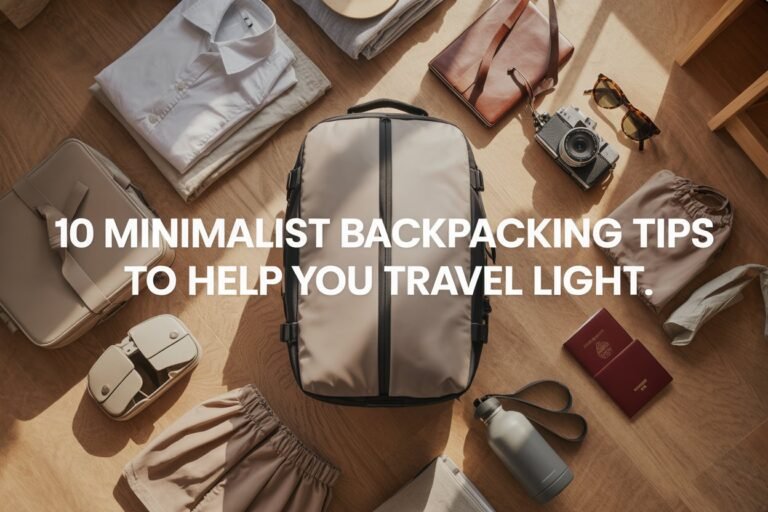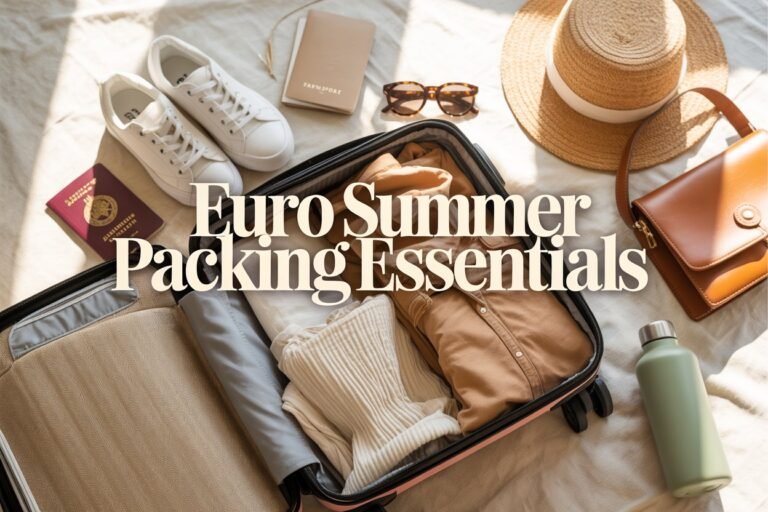
Packing for a long trip sounds simple until you actually try to do it.
I used to pack like I was preparing for every possible situation. Extra outfits “just in case,” backup shoes I never wore, random items I thought I might need but never touched.
The result? A heavy bag, cluttered suitcase, and the constant feeling that I packed too much but still somehow not the right things.
Over time, I realized something important. Packing smart is not about packing less. It is about packing better.
This guide is not about minimalism for the sake of it. It is about realistic, practical packing that works whether you are traveling for 7 days, 2 weeks, or longer.
The Real Problem With Overpacking
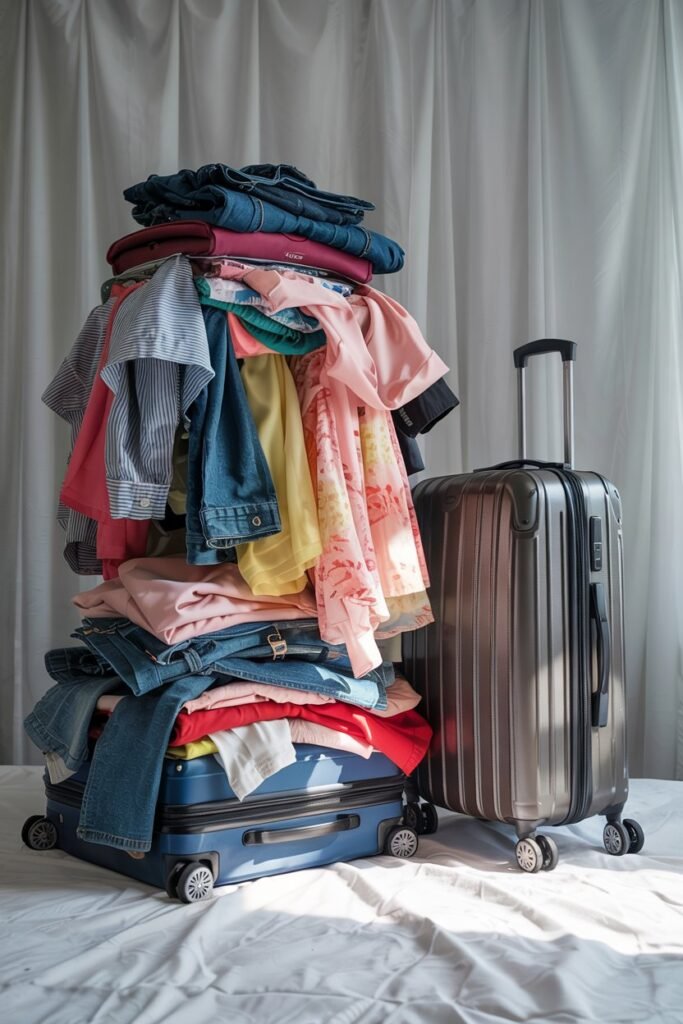
Most people do not overpack because they need more things.
They overpack because of uncertainty.
- “What if I need this?”
- “What if the weather changes?”
- “What if I want options?”
I used to ask myself all of these.
But here is the truth. You will always feel like you need more options until you learn how to plan properly.
Packing smart starts before you even open your suitcase.
Step 1: Plan Your Trip, Not Just Your Outfits
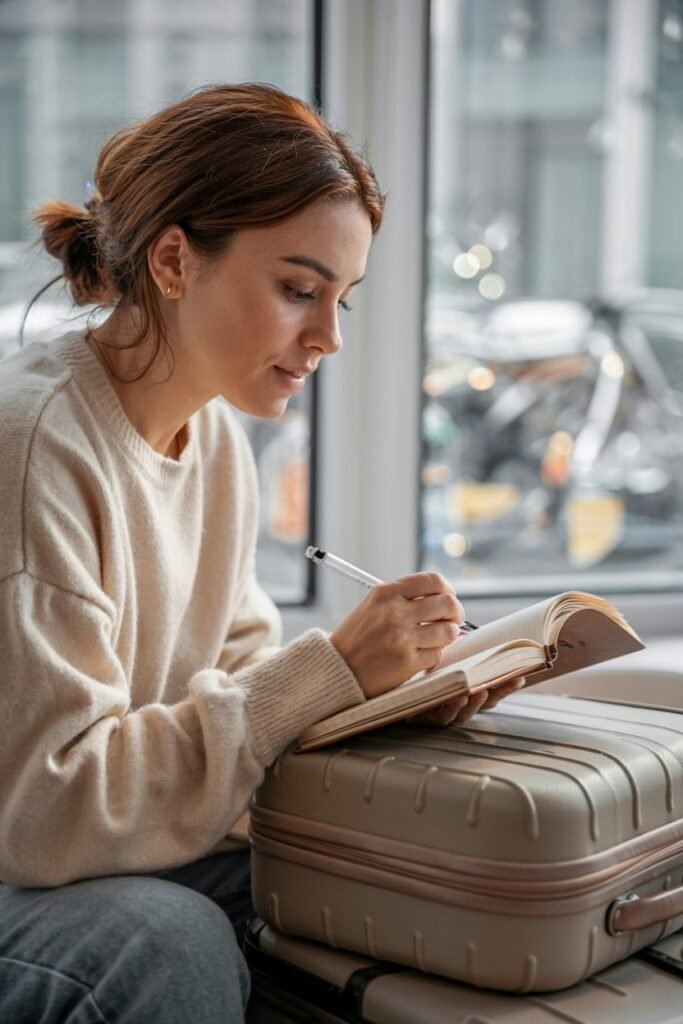
Before I pack anything, I ask myself:
- What am I actually doing on this trip?
- How many days will I realistically need outfits for?
- Will I have access to laundry?
- What kind of weather am I dealing with?
This step alone cuts down unnecessary packing by a lot.
For example, a trip with mostly walking and casual activities does not need multiple “dressy” outfits.
Most people pack for an imaginary version of their trip instead of the real one.
Step 2: Build a Simple, Repeatable Outfit System
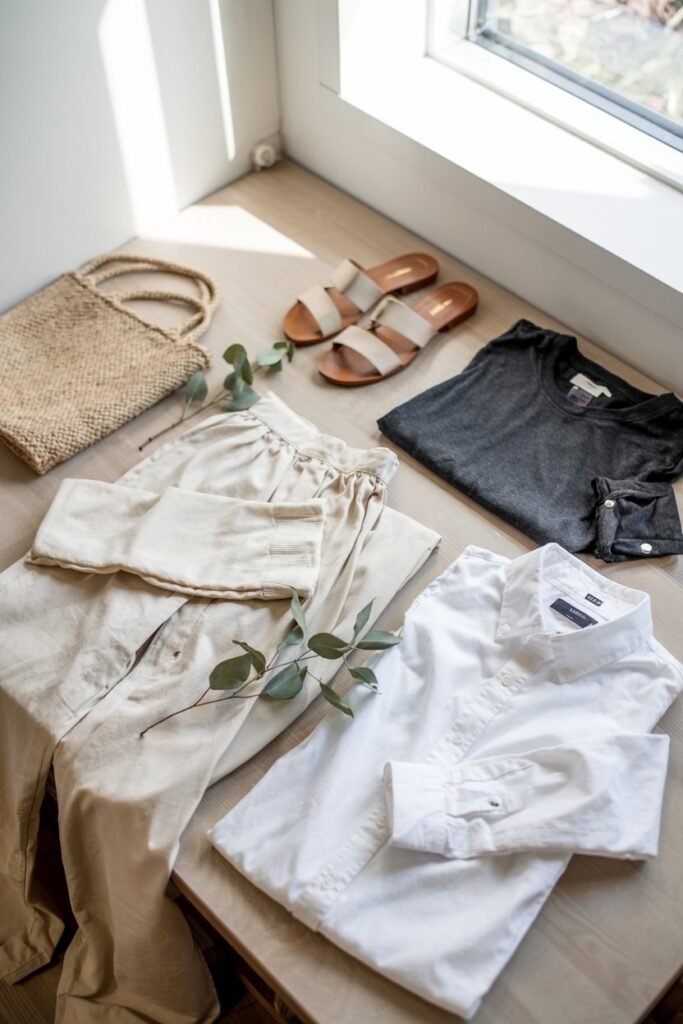
Instead of packing random clothes, I started using a simple system that works every time.
The Core Rule:
Everything must match everything.
That means:
- Neutral colors (black, white, grey, navy, beige)
- Simple pieces that layer easily
- No “one-outfit-only” items
A Realistic Unisex Packing Base:
- 5 to 7 tops
- 2 to 3 bottoms
- 1 to 2 outer layers
- 1 versatile outfit (for dinners or outings)
- 1 sleepwear set
- Underwear for 5 to 7 days
That is enough for long trips because you are not wearing new clothes every day. You are rotating.
Step 3: Accept That Repeating Outfits Is Normal

This was a big mindset shift for me.
Nobody notices how many times you repeat an outfit while traveling.
People are focused on their own trip, not tracking your clothes.
Once I accepted that, packing became much easier.
You do not need 14 outfits for a 14-day trip.
You need a few good outfits that you can rotate.
Step 4: Limit Shoes (This Is Where Most Space Goes)
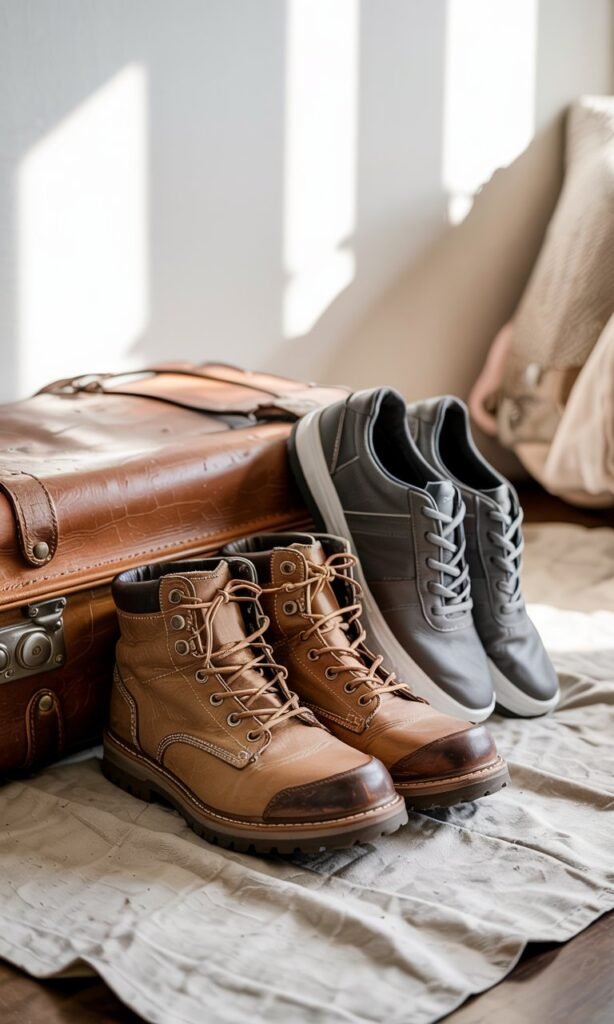
Shoes are the fastest way to overpack.
I used to bring multiple pairs and end up wearing the same one most of the time.
What actually works:
- 1 comfortable walking shoe (wear this while traveling)
- 1 extra pair (casual or slightly dressy depending on your trip)
That is it.
If you pack more than that, they need to justify the space they take.
Step 5: Pack for Layers, Not Bulk

Instead of packing heavy items, I started focusing on layering.
Layering gives you flexibility without taking up extra space.
For example:
- T-shirt + light sweater + jacket
- Instead of one thick, bulky outfit
This works for different weather conditions without overpacking.
Step 6: Be Honest About “Just in Case” Items
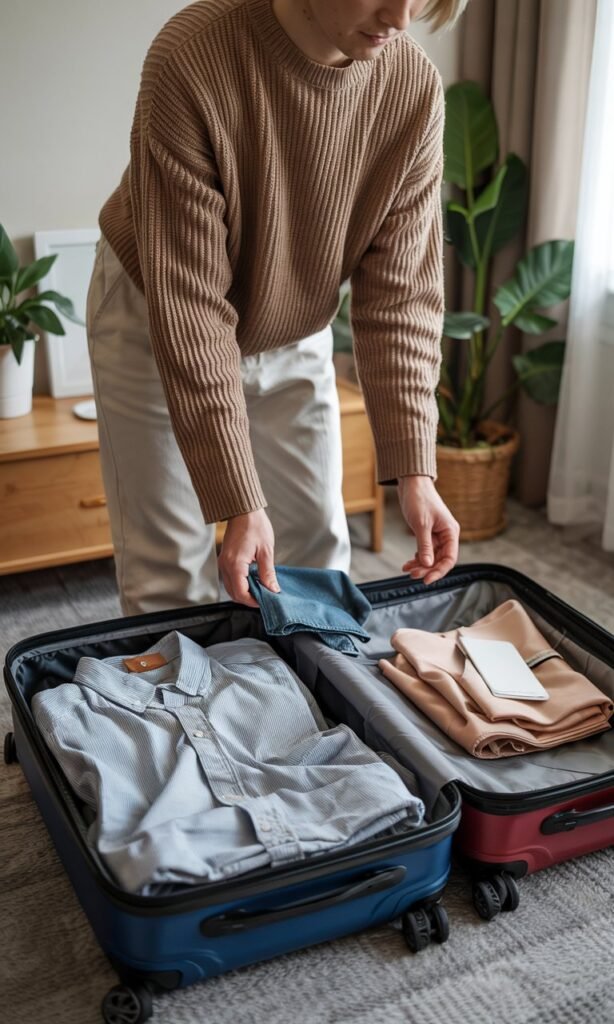
This is where most overpacking happens.
I used to pack things like:
- Extra outfits I never wore
- Items I thought I might need once
- Backup options for everything
Now I ask one simple question:
“Have I needed this on my last trip?”
If the answer is no, it does not go in my bag.
Step 7: Toiletries Should Be Minimal, Not Complete
You do not need your entire bathroom with you.
Most places have:
- Shops
- Hotels with basic supplies
- The option to buy what you need
What I pack now:
- Travel-size essentials only
- Multi-use products when possible
- Minimal skincare and grooming items
If something runs out, I replace it at the destination.
Step 8: Use Packing Space Properly (This Matters More Than You Think)
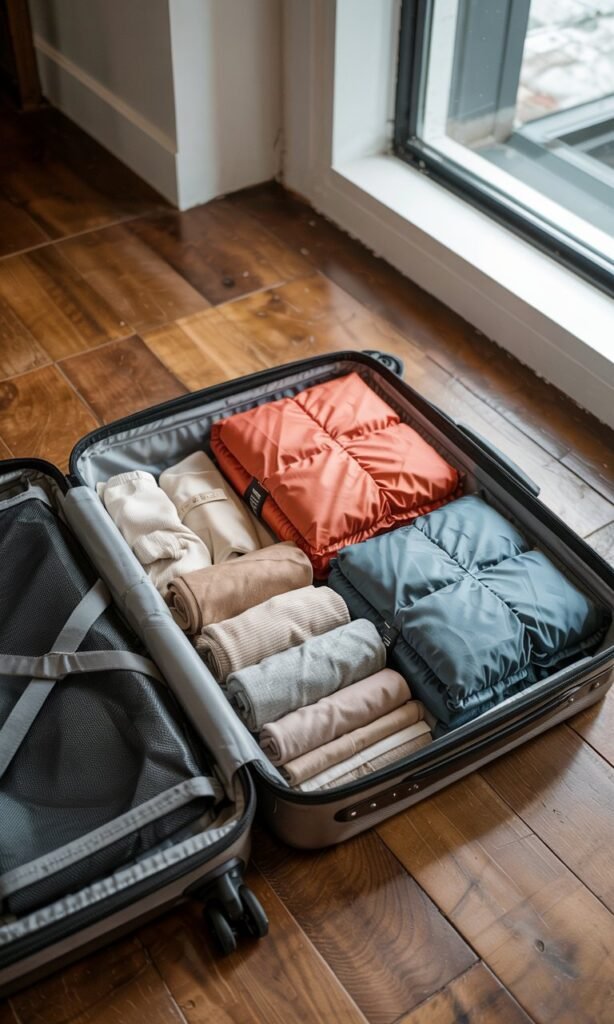
How you pack is just as important as what you pack.
What works best:
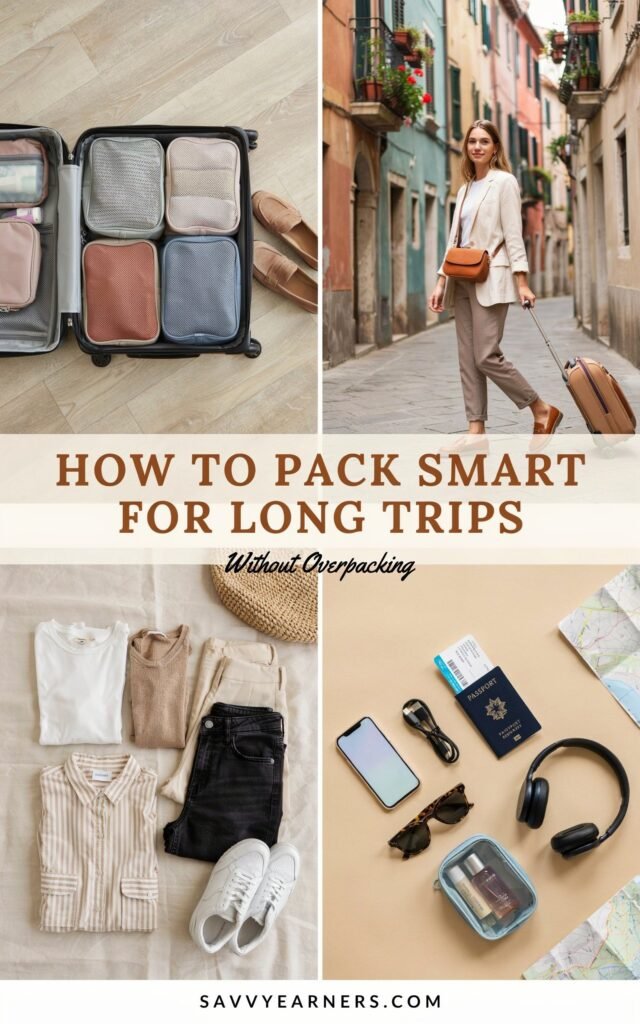
- Roll clothes instead of folding
- Use packing cubes to organize
- Fill empty spaces (like inside shoes)
- Keep frequently used items accessible
When I started packing this way, I realized I had more space than I thought.
Step 9: Your Bag Choice Affects Everything
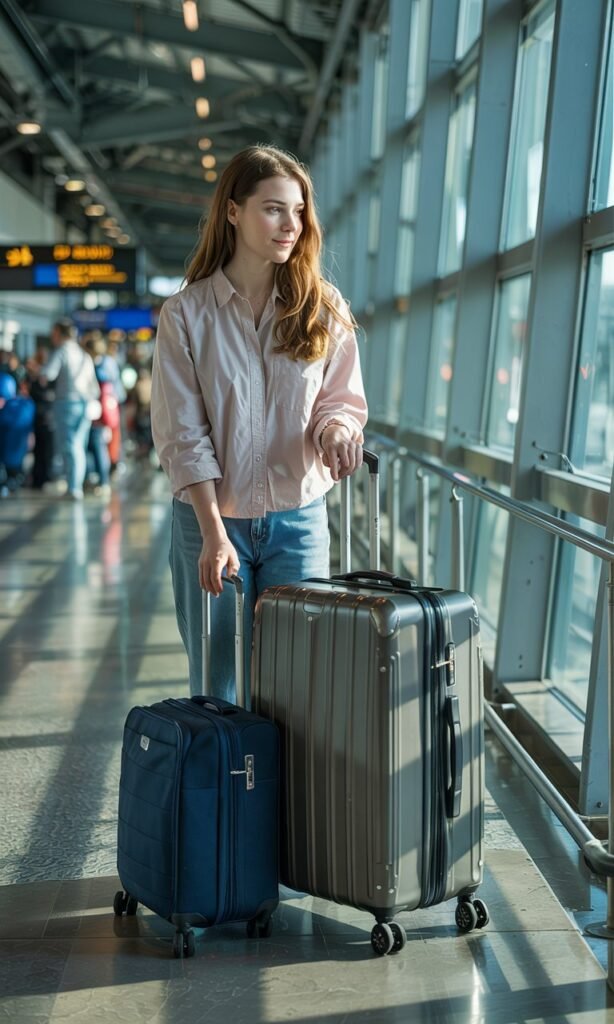
A lot of people try to fix overpacking without looking at their bag.
But your bag controls your limits.
What I learned:
- A smaller bag forces better decisions
- A larger bag encourages overpacking
Now I choose my bag first, then pack to fit it.
Not the other way around.
Step 10: You Can Always Buy What You Forgot

This was the mindset shift that changed everything.
You do not need to prepare for every possible situation.
If you forget something, you can usually buy it.
Once I accepted that, I stopped packing out of fear and started packing with intention.
If you pack smart, you will travel lighter, move easier, and actually enjoy your trip more.
And the best part is, you will never feel like your suitcase is working against you again.
A Realistic Packing Checklist for Long Trips
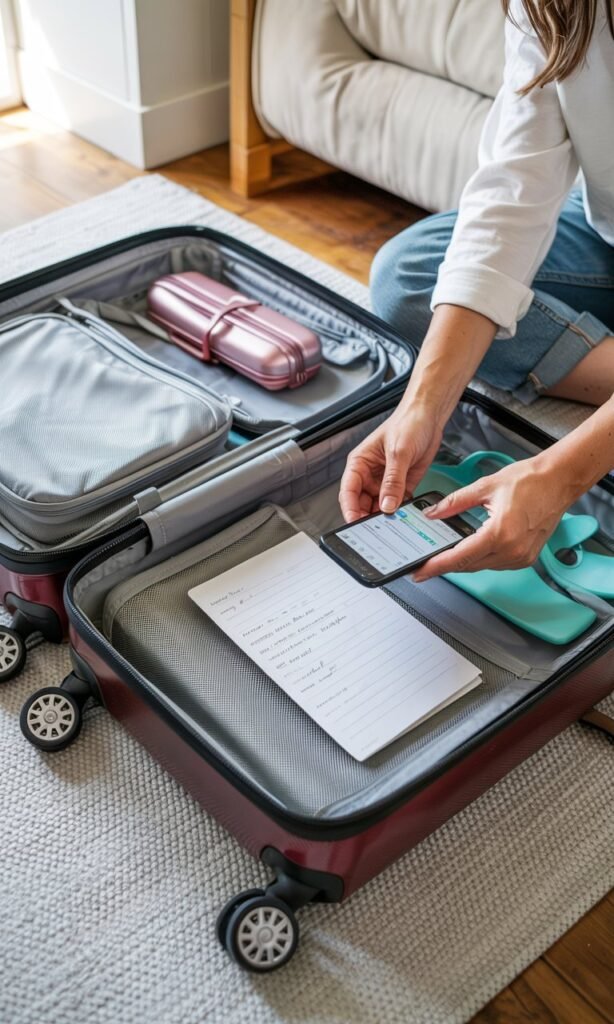
Once I stopped overcomplicating packing, I realized I only needed a simple checklist that I could reuse every time.
This is what I actually follow now.
Clothing
- 5 to 7 tops (mixable, neutral)
- 2 to 3 bottoms
- 1 to 2 outer layers
- 1 versatile outfit
- Sleepwear
- Underwear (5 to 7 days)
- Socks
Shoes
- 1 walking shoe (wear it)
- 1 extra pair
Toiletries
- Travel-size essentials
- Toothbrush and toothpaste
- Deodorant
- Basic skincare
Essentials
- Passport / ID
- Phone + charger
- Power bank
- Headphones
- Travel documents
- Reusable water bottle
That’s it. Anything beyond this should have a clear purpose.
Smart Packing Hacks That Actually Work
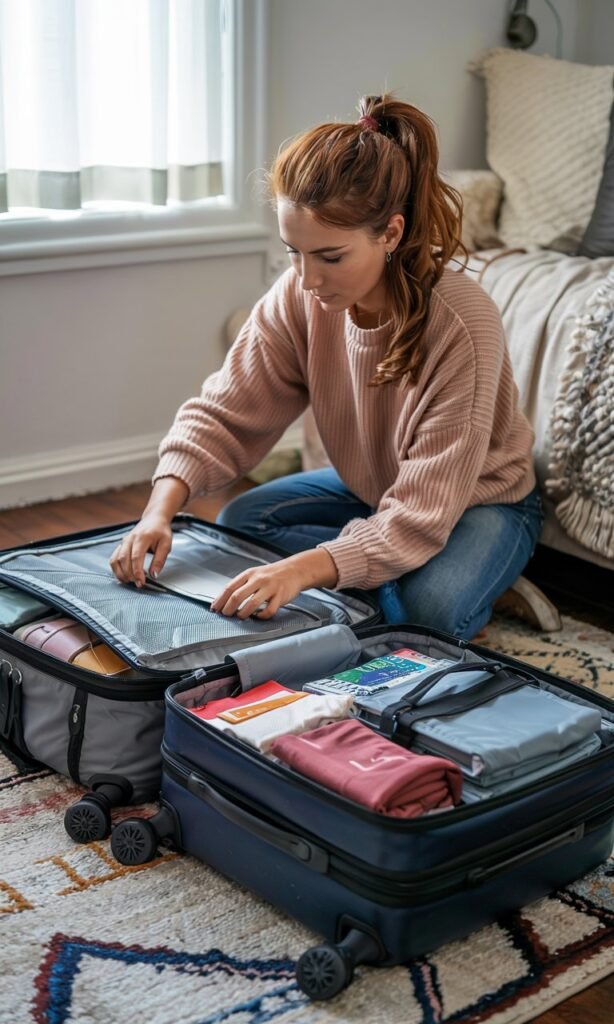
I’ve tried a lot of “packing hacks” that sounded good but didn’t make a difference. These are the ones that actually helped.
1. Pack for One Week, No Matter How Long You Travel
Even for longer trips, pack for about 7 days and plan to do laundry.
This alone cuts your packing in half.
2. Wear Your Bulkiest Items While Traveling
Jackets, hoodies, and sneakers should not take up space in your bag.
Wear them on travel days.
3. Use a Personal Item Properly
Your backpack or tote is extra space.
Use it for:
- Electronics
- Documents
- Snacks
- One extra outfit if needed
4. Keep an “Easy Access” Section
Do not bury things you will need often.
Keep these accessible:
- Chargers
- Toiletries
- Travel documents
5. Do Not Pack “Maybe” Items
If you are unsure about something, leave it.
You will not miss it.
How to Adjust for Different Types of Trips
Packing smart does not mean packing the same for every trip.
Warm Weather Trips
- Lightweight fabrics
- Fewer layers
- Breathable clothing
Cold Weather Trips
- Focus on layering
- Thermal basics
- Compact outerwear
Mixed Weather Trips
- Light layers you can combine
- Avoid heavy single-use items
I always adjust slightly, but the core packing system stays the same.
How to Know If You’ve Overpacked
This is something I check before every trip.
You have probably overpacked if:
- Your bag is hard to close
- You packed multiple “backup” outfits
- You have items you are unsure about
- Your bag feels heavy before the trip even starts
If that happens, remove at least 20 percent.
You will not regret it.
SHORT FAQ (Quick Answers)
How do I pack for long trips without overpacking?
Plan outfits, pack for one week, and focus on versatile items you can repeat.
Is it okay to repeat clothes while traveling?
Yes. Most people do, and nobody notices.
How many shoes should I bring?
Two pairs maximum for most trips.
What is the biggest mistake when packing?
Packing for “what if” situations instead of your actual plans.
Can I really pack light for long trips?
Yes. With the right system, it becomes easy and realistic.
Final Thoughts
Packing used to feel stressful for me.
I would overthink everything, pack too much, and still feel unprepared.
But once I simplified my approach and focused on what I actually use, everything changed.
Now my bag is lighter, my trips feel easier, and I spend less time worrying about what I packed.
Packing smart is not about being perfect. It is about being intentional.
And once you get it right once, it becomes something you can repeat for every trip.