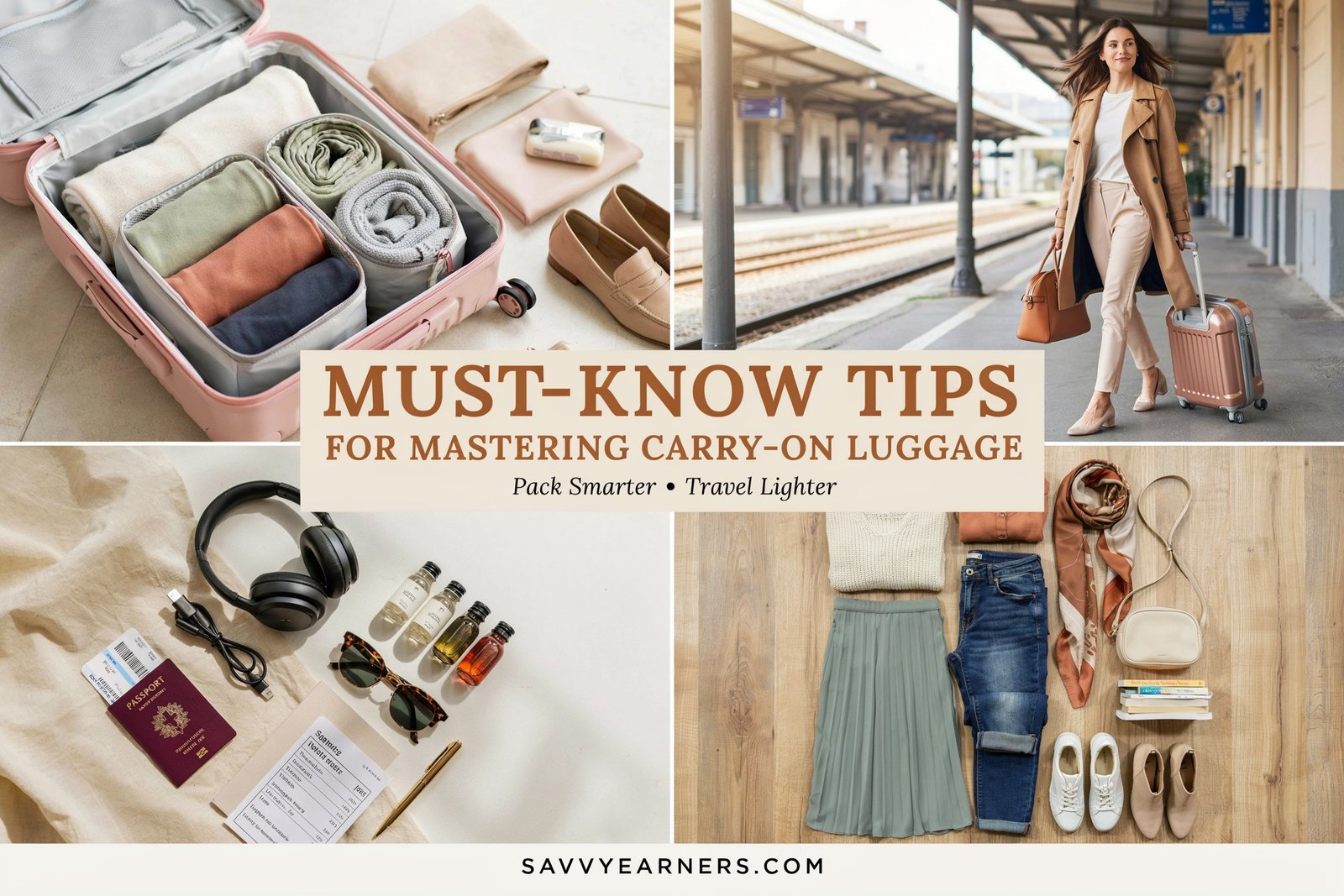
I used to think traveling with just a carry-on was restrictive.
Every trip, I would start with good intentions, but then the “just in case” items would creep in. Extra outfits, backup shoes, things I thought I might need but never actually used.
By the time I got to the airport, my bag was heavier than it needed to be, harder to manage, and honestly, stressful.
Once I learned how to actually master carry-on packing, everything changed. I moved through airports faster, stopped worrying about luggage, and started enjoying travel in a completely different way.
If you want to pack lighter without feeling unprepared, these are the tips that actually make a difference.
Why Mastering Carry-On Luggage Matters More Than You Think
Before getting into the tips, it is important to understand why this matters.
Traveling with only a carry-on is not just about packing less. It changes how you experience your trip.
What I noticed when I switched:
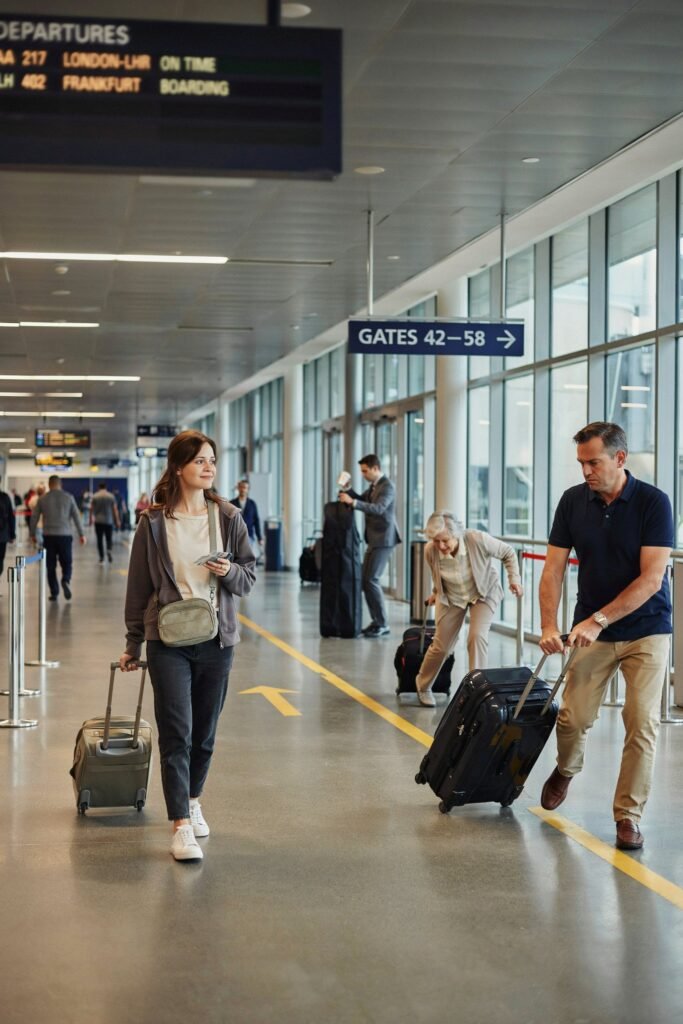
- No waiting at baggage claim
- No lost luggage stress
- Easier movement through airports and cities
- Faster check-ins and boarding
- Less physical strain
You feel more in control because everything you need is with you.
Tip 1: Choose the Right Carry-On (This Sets Everything Up)
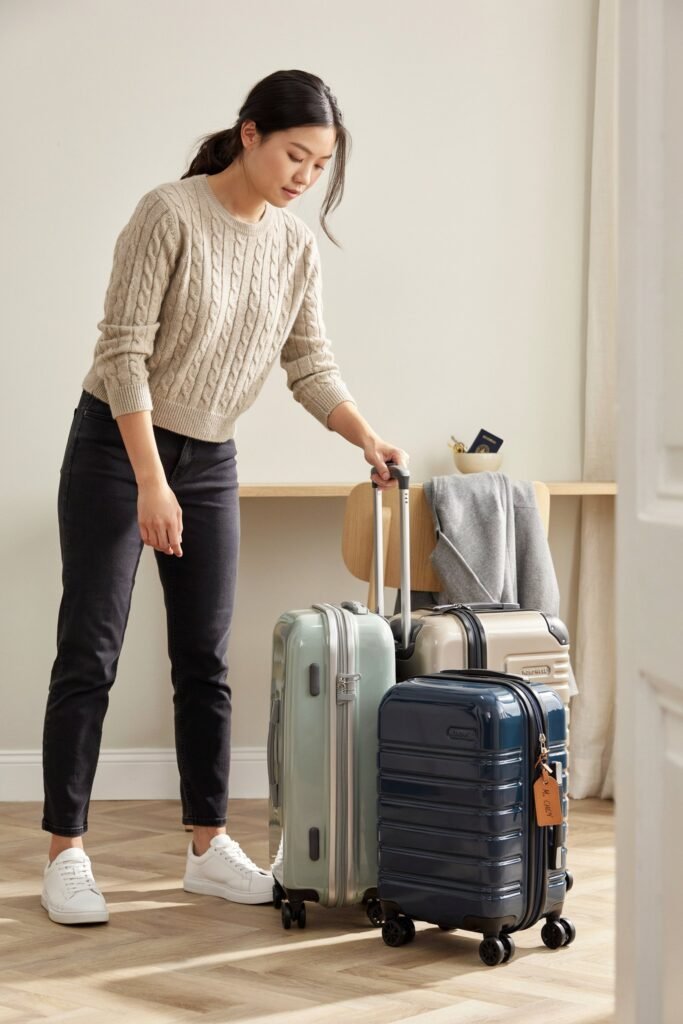
Most people focus on what to pack but ignore what they are packing into.
Your carry-on determines your limits.
I used to use larger bags thinking it would help, but it actually made me pack more than I needed.
What works better:
- A structured carry-on suitcase (not oversized)
- Lightweight design
- Compartments for organization
When your bag has limits, it forces better decisions.
Tip 2: Pack for One Week, No Matter How Long You Travel
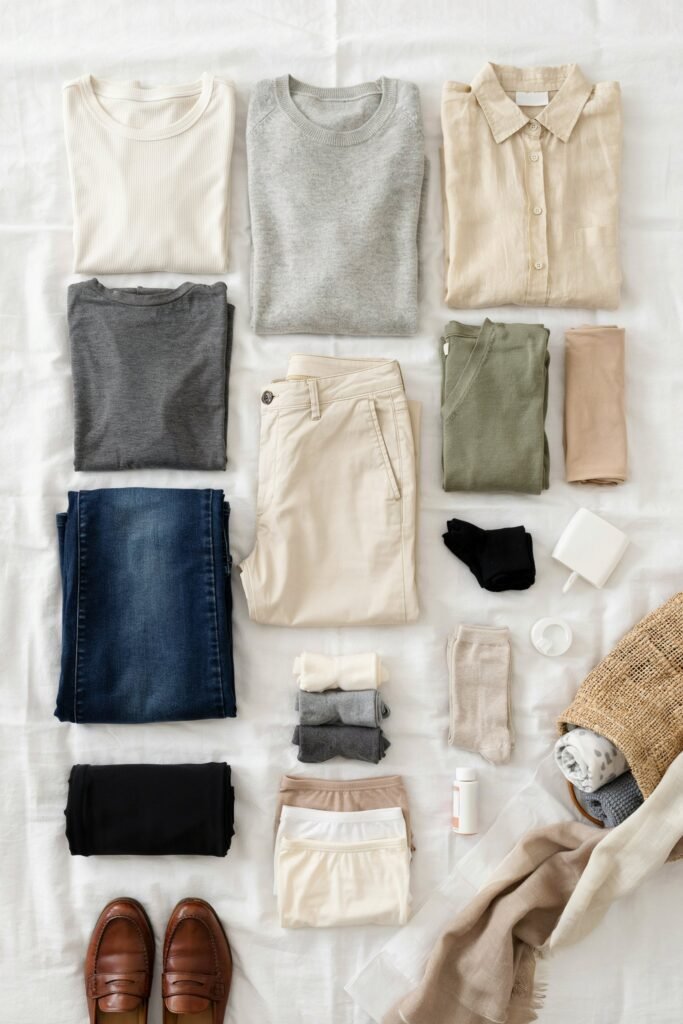
This is one of the most effective strategies I use.
Even if I am traveling for 10 days or 2 weeks, I pack for about 7 days.
Why?
Because you can:
- Rewear outfits
- Do laundry
- Mix and match
Packing for the full length of your trip is one of the biggest reasons people overpack.
Tip 3: Build a Capsule Wardrobe (Without Overthinking It)
You do not need a complicated system, but you do need a plan.
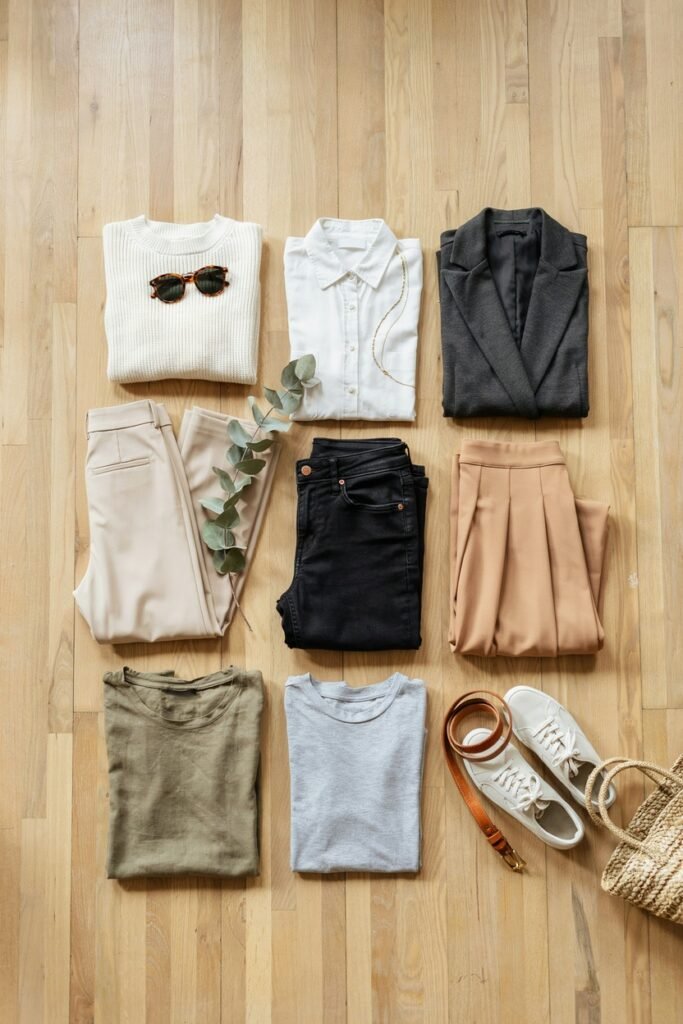
I stopped packing random outfits and started packing pieces that work together.
My simple rule:
Everything must match everything.
What that looks like:
- Neutral colors (black, white, beige, navy)
- Simple pieces
- Layer-friendly clothing
This allows you to create multiple outfits from fewer items.
Tip 4: Stop Packing “Just in Case” Items
This is where most carry-on space disappears.
I used to pack:
- Extra outfits I never wore
- Backup shoes
- Items I thought I might need once
Now I ask myself one question:
“Have I used this on my last trip?”
If the answer is no, it stays home.
Being honest here makes a huge difference.
Tip 5: Limit Shoes (Seriously)
Shoes are one of the biggest space killers.
For most trips, you only need:
- 1 comfortable walking shoe (wear it while traveling)
- 1 additional pair (casual or slightly dressy)
That is enough for almost any situation.
Every extra pair needs to earn its space.
Tip 6: Use Layers Instead of Bulky Clothing

Instead of packing heavy items, I started layering.
Layering gives you flexibility without taking up extra space.
Example:
- T-shirt
- Light sweater
- Jacket
Instead of one thick outfit
This works for different weather conditions and keeps your bag lighter.
Tip 7: Roll and Compress Your Clothes Properly
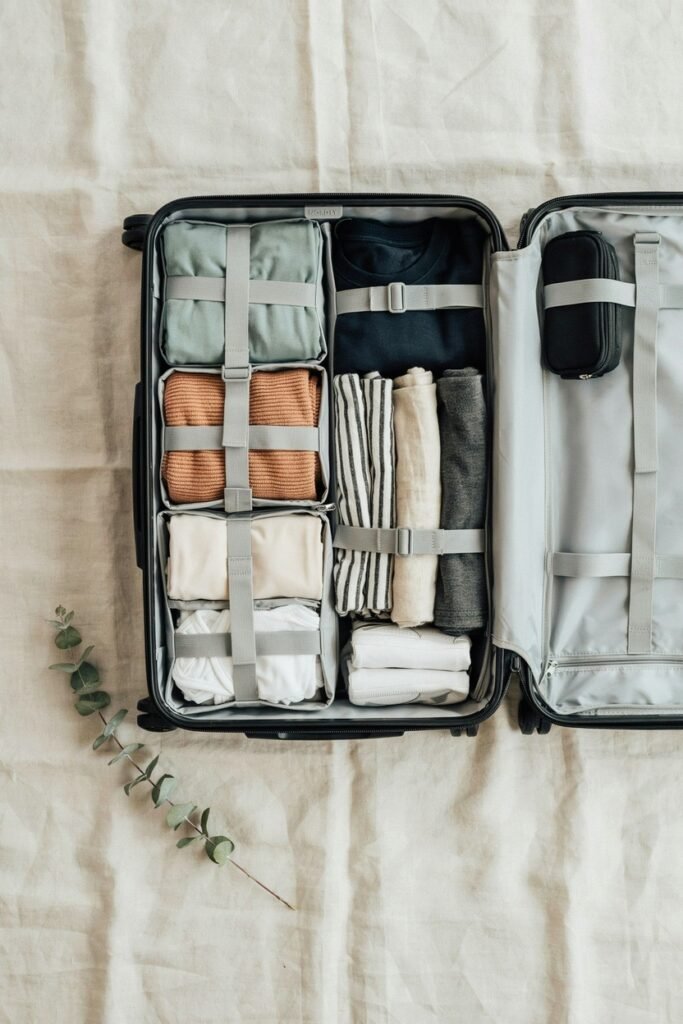
How you pack matters more than you think.
I used to fold everything and run out of space quickly.
Once I switched to rolling and using packing cubes, I noticed a huge difference.
What works:
- Roll clothes tightly
- Use packing cubes for organization
- Group similar items together
It makes your bag easier to manage and creates more space.
Tip 8: Use Your Personal Item Strategically
Your carry-on is not your only space.
Your personal item (backpack or tote) is just as important.
What I always put in mine:
- Electronics
- Travel documents
- Chargers
- Snacks
- One extra outfit (if needed)
This keeps your suitcase less crowded and more organized.
Tip 9: Keep Essentials Easy to Access
Nothing is worse than digging through your bag in an airport.
I learned to keep certain items accessible at all times.
Always easy to reach:
- Passport / ID
- Boarding pass
- Phone and charger
- Toiletries (for security checks)
Small change, but it makes traveling smoother.
Tip 10: Accept That You Don’t Need Everything
This was the mindset shift that changed everything for me.
You do not need to prepare for every possible situation.
Most places have:
- Stores
- Pharmacies
- Basic essentials available
If you forget something, you can buy it.
Once I accepted that, packing became much easier and less stressful.
Mastering carry-on luggage is not about packing perfectly.
It is about understanding what you actually need and letting go of what you don’t.
And once you get it right, you will never want to travel any other way.
The Carry-On Packing Checklist I Actually Use
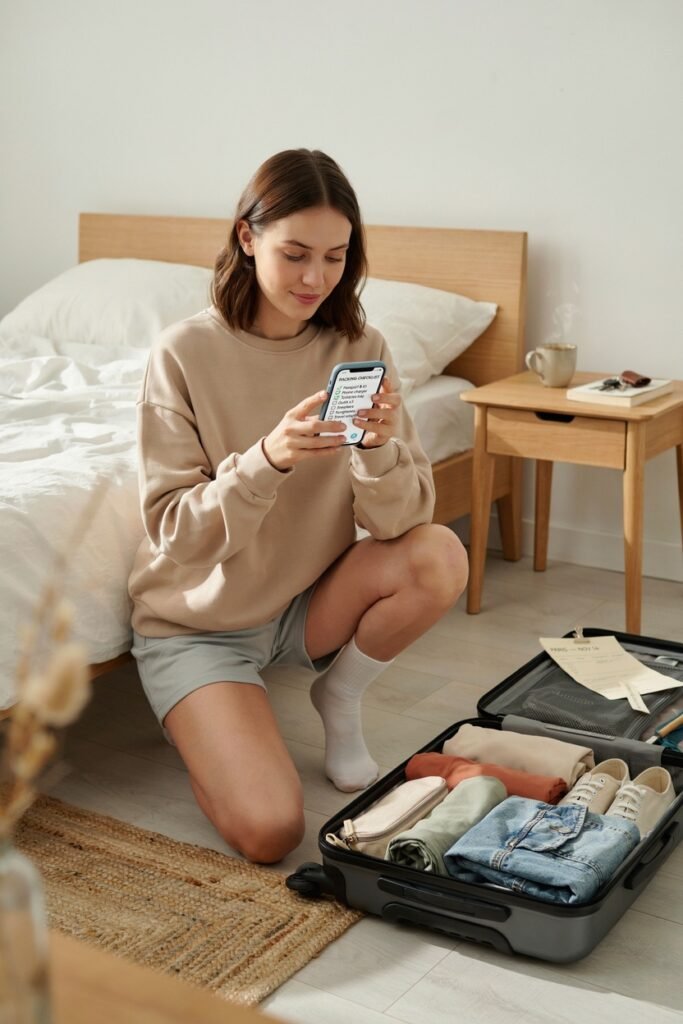
Once I simplified my packing system, I stopped needing long, complicated lists.
This is the exact checklist I come back to for almost every trip.
Clothing
- 5 to 7 tops (neutral, easy to mix)
- 2 to 3 bottoms
- 1 to 2 outer layers
- 1 versatile outfit (can dress up or down)
- Sleepwear
- Underwear (5 to 7 days)
- Socks
Shoes
- 1 walking shoe (wear it while traveling)
- 1 extra pair
Toiletries
- Travel-size essentials only
- Toothbrush and toothpaste
- Deodorant
- Basic skincare
Essentials
- Passport / ID
- Phone + charger
- Power bank
- Headphones
- Travel documents
- Reusable water bottle
Anything beyond this should have a clear purpose. If it doesn’t, it probably doesn’t need to be in your bag.
Advanced Carry-On Tips That Make Travel Easier
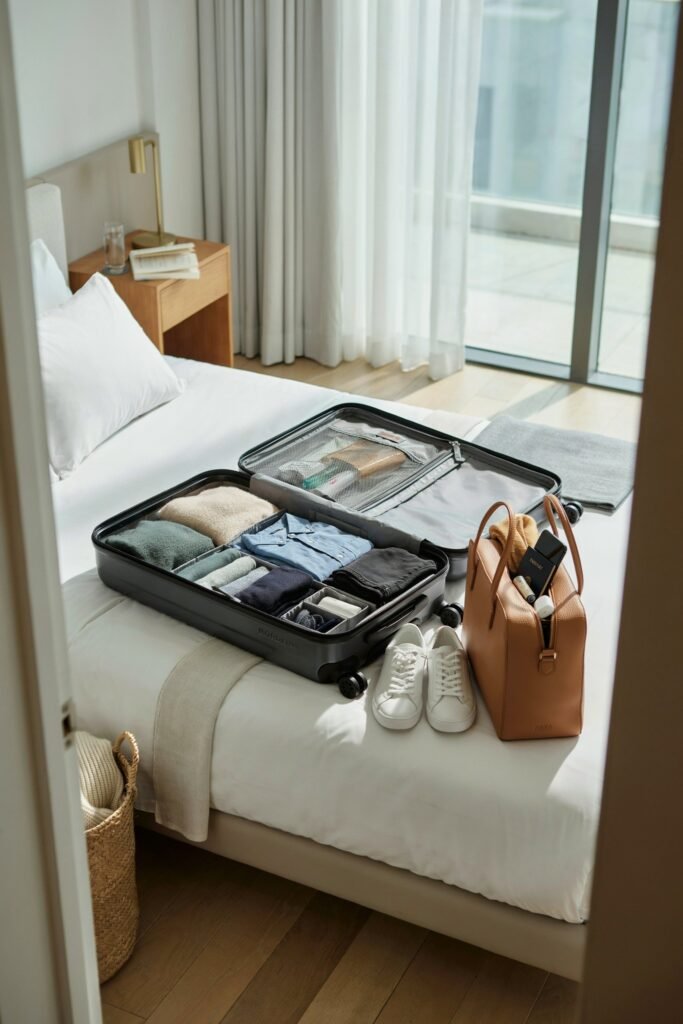
Once you have the basics down, these small upgrades make a big difference.
1. Always Pack One Emergency Outfit
I keep one simple outfit in my personal item.
Not because I expect problems, but because it removes stress if plans change.
2. Use the “Outfit Rule”
Every item you pack should work in at least 2 to 3 outfits.
If it doesn’t, it’s not worth the space.
3. Keep Liquids Organized
Airport security becomes much easier when your liquids are easy to access.
Use a clear pouch and keep it near the top of your bag.
4. Pack With Your First Day in Mind
Do not bury what you will need first.
Your first outfit, toiletries, and essentials should be easy to grab.
5. Leave Space in Your Bag
I always leave a little extra space.
You will likely pick up something during your trip, and having room makes it easier to bring it back.
How to Stay Organized During Your Trip
Packing smart is only half the process. Staying organized matters just as much.
I used to let my suitcase get messy during trips, and it made everything harder.
What works:
- Keep items in packing cubes
- Do quick daily resets
- Separate clean and worn clothes
- Repack lightly before moving locations
A few minutes each day saves a lot of frustration later.
Signs You’ve Mastered Carry-On Packing
You know you’re doing it right when:
- Your bag closes easily
- You know exactly where everything is
- You don’t feel like you’re missing anything
- You actually wear everything you packed
- Traveling feels easier, not stressful
This is when packing stops being something you worry about.
SHORT FAQ (Quick Answers)
What is the biggest carry-on mistake?
Packing “just in case” items instead of sticking to what you actually use.
Can I really travel long-term with a carry-on?
Yes. Pack for one week and repeat outfits.
How do I fit everything in a carry-on?
Use rolling, packing cubes, and limit unnecessary items.
What should always go in a personal item?
Essentials like documents, electronics, and anything you need quick access to.
Is carry-on only worth it?
Yes. It saves time, stress, and makes travel much easier.
Final Thoughts
I used to think packing light meant sacrificing comfort or being unprepared.
But the opposite is true.
When you pack smart, you feel more prepared because everything you bring has a purpose.
Your bag is lighter. Your movement is easier. Your trip feels smoother from start to finish.
Mastering carry-on luggage is not about strict rules or perfection.
It is about understanding what you actually need and trusting that it is enough.
Once you get that right, traveling becomes simpler, lighter, and a lot more enjoyable.