I Didn’t Realize How Much Money People Were Making From Thrift Stores
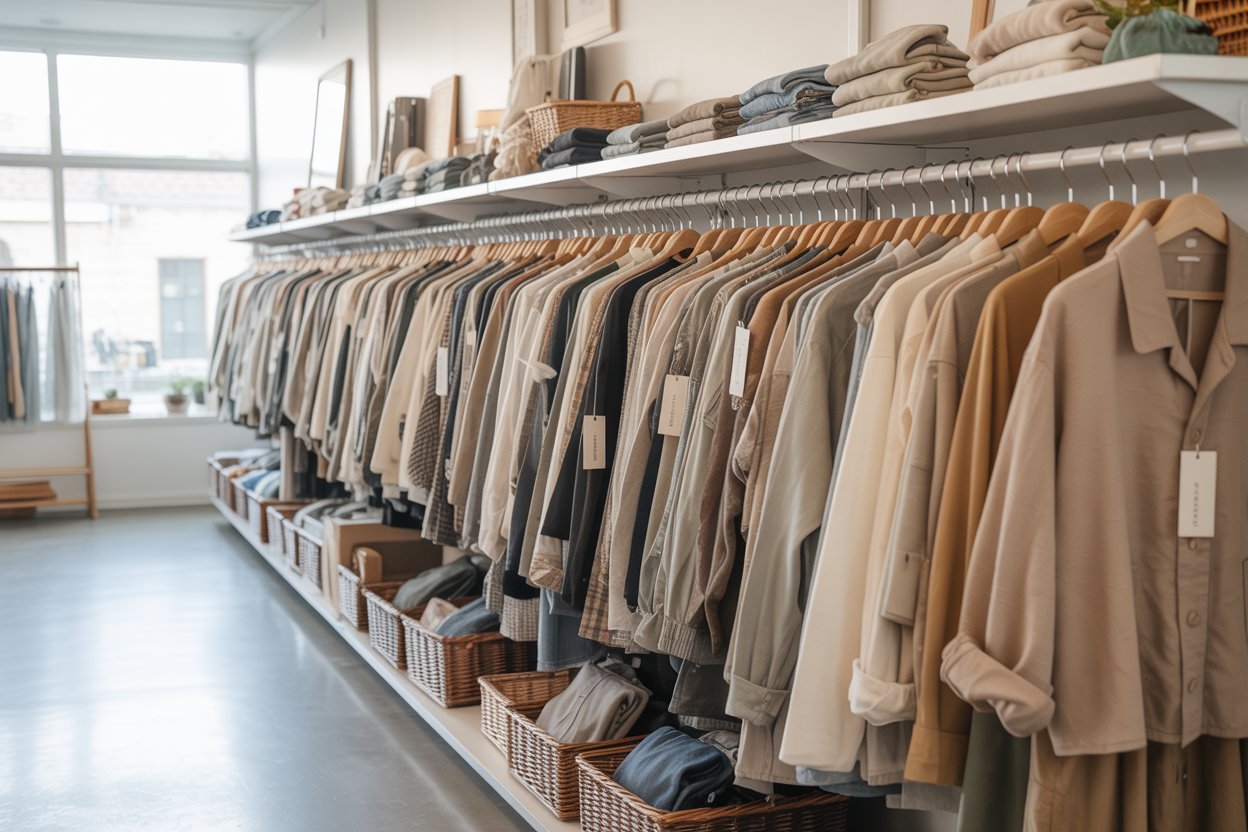
For the longest time, I thought thrift stores were just for saving money.
Cheap clothes. Random home items. Nothing serious.
Then I started noticing something:
People were buying things for a few dollars…
and reselling them online for 5x, even 10x the price.
At first, it didn’t make sense.
But once I understood what they were doing differently, it clicked.
They weren’t just buying cheap things.
They were buying things with resale value.
And that’s a completely different mindset.
What Thrift Reselling Actually Is (And Why It Works)

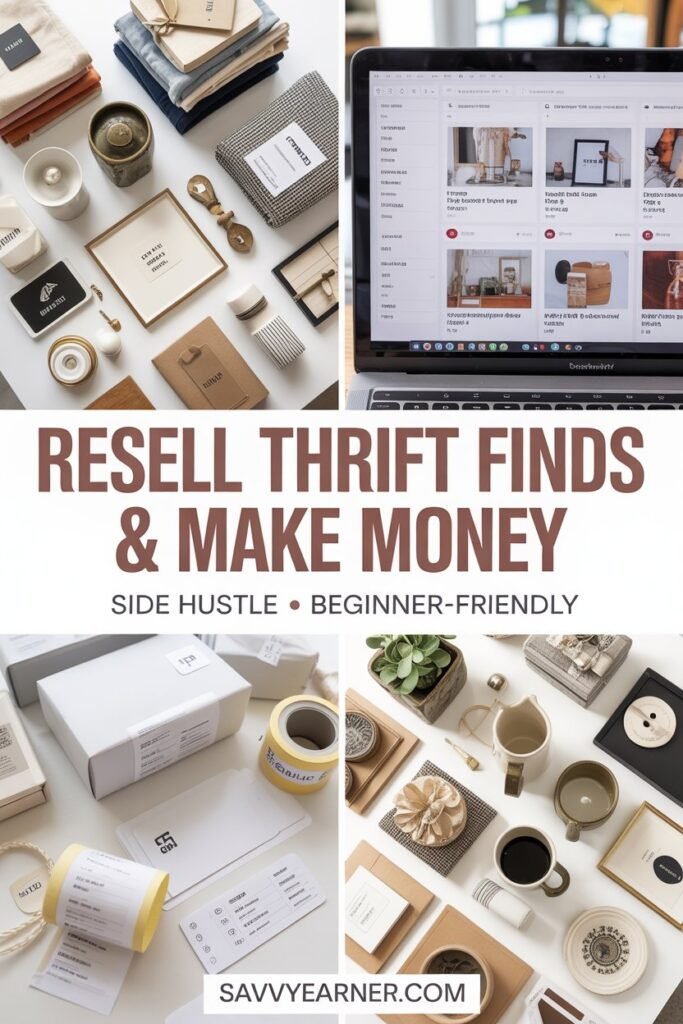
Thrift reselling is simple in theory:
You:
- buy undervalued items
- clean or improve them
- resell for a profit
But what makes it work so well is this:
Most thrift stores price items based on donations, not demand.
That means valuable items often get priced way too low.
If you know what to look for, you can find:
- brand-name clothing
- vintage items
- home décor
- collectibles
for a fraction of what people are willing to pay online.
Why This Is One of the Best Beginner Side Hustles
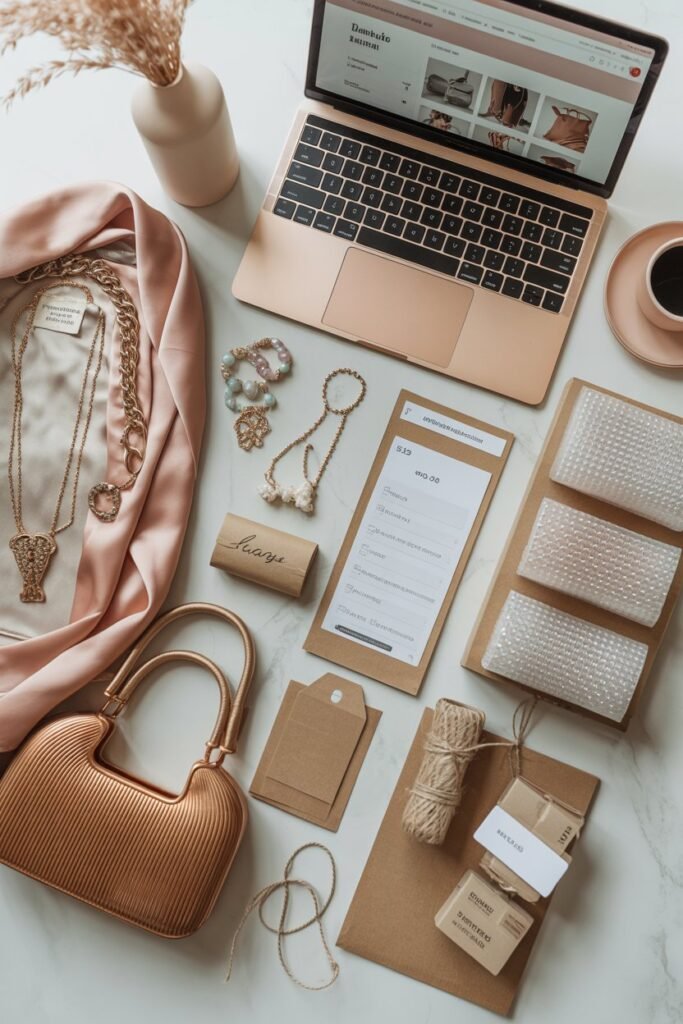
There are a lot of side hustles out there, but this one stands out for a few reasons.
Low Startup Cost
You don’t need hundreds of dollars.
You can start with:
- $20–$50
- a few good finds
- and a place to sell
That’s it.
No Special Skills Required
You don’t need to:
- design anything
- build a website
- learn complicated tools
You just need to learn how to spot value.
Fast Cash Potential
Unlike some online businesses that take months, this can start working quickly.
Buy → list → sell → repeat.
It Scales Over Time
Once you get better at spotting items, your profit margins improve.
You start:
- finding better items
- pricing more confidently
- selling faster
The Mindset Shift That Makes You Money
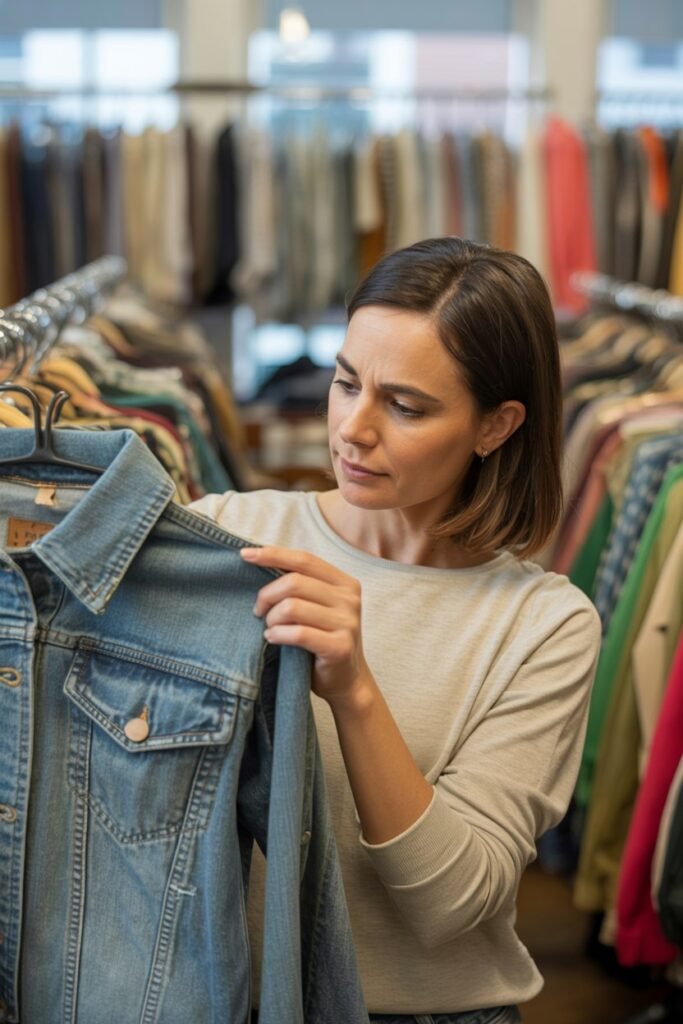
Most beginners walk into a thrift store thinking:
“What do I like?”
But that’s the wrong question.
Instead, ask:
“What would someone else pay more for?”
This one shift changes everything.
Because profitable resellers don’t shop emotionally.
They shop strategically.
What Actually Sells (And What Doesn’t)

This is where most people waste money in the beginning.
They buy things that seem valuable… but don’t sell.
Let’s fix that.
Categories That Sell Well
These are consistently strong:
Clothing (especially brand names)
Look for:
- Nike, Levi’s, Zara, vintage pieces
- unique styles or trending items
Shoes
Even used shoes can sell well if:
- they’re in good condition
- they’re recognizable brands
Home Décor
Things like:
- mirrors
- lamps
- unique decorative pieces
Vintage Items
Older items often have higher resale value, especially if they’re rare or unique.
Small Electronics
Only if tested and working.
What Beginners Should Avoid
- damaged items (unless easily fixable)
- overly common items
- things with no clear resale demand
- items you “hope” will sell
If you’re guessing, you’re risking money.
Step 1: Start Small and Learn the Process

The biggest mistake beginners make is going too big too fast.
They:
- buy too many items
- spend too much money
- don’t know what actually sells
Instead, start simple.
Buy 3–5 items.
Focus on:
- learning how to pick items
- listing them properly
- understanding pricing
This keeps your risk low and your learning high.
Step 2: Learn How to Spot Value Inside a Thrift Store
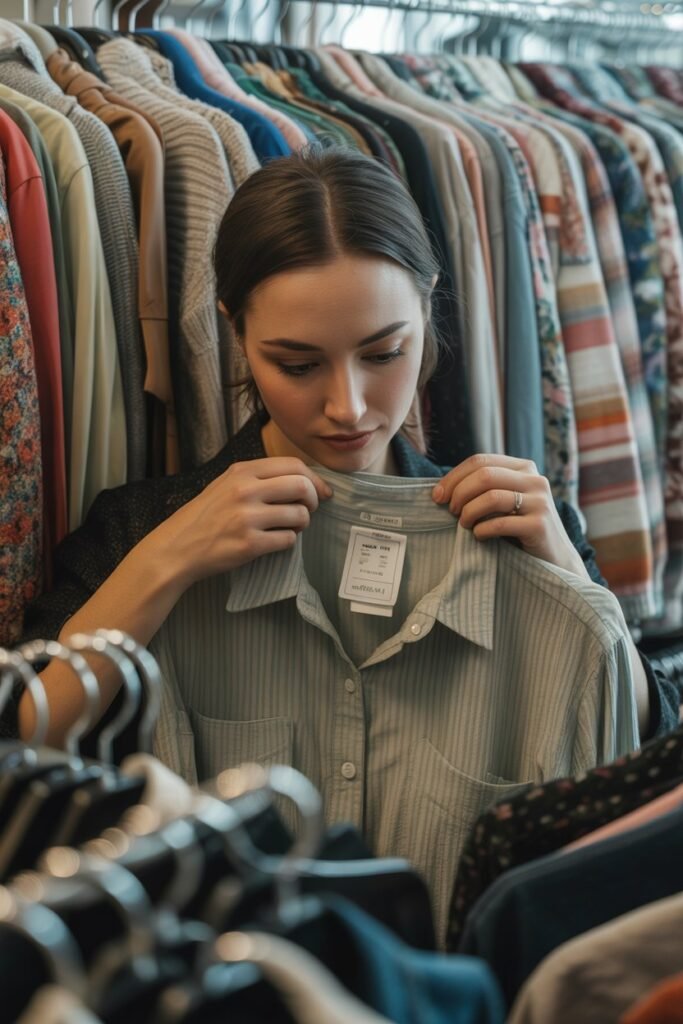
This is the skill that makes or breaks your success.
At first, everything looks random.
But over time, you start noticing patterns.
What to Look For
Brand Names
Recognizable brands are easier to sell.
Condition
Check for:
- stains
- tears
- missing parts
If it’s not in good condition, it’s harder to sell.
Uniqueness
Items that stand out sell faster.
Quality Materials
Higher-quality items usually resell better.
Pro Tip That Speeds Up Learning
Use your phone while shopping.
Quickly check:
- similar items online
- recent selling prices
This helps you avoid bad buys.
Step 3: Where to Sell Your Finds
Choosing the right platform matters.
Different items sell better in different places.
eBay
Best for:
- almost everything
- beginners
Poshmark
Best for:
- clothing
- shoes
Facebook Marketplace
Best for:
- larger items
- local sales (no shipping)
Each platform has its own style, so it’s worth testing a few.
Step 4: Price Your Items for Profit (Without Guessing)
Pricing is where most beginners either:
- lose money
- or never make sales
The goal isn’t to guess.
It’s to price based on real demand.
How to Price the Right Way
Before listing anything, check what it actually sells for.
On platforms like eBay:
- search your item
- filter by “sold listings”
This shows you:
- real selling prices
- what buyers are willing to pay
Not just what people are asking.
The Simple Pricing Formula
Use this as a beginner:
Expected sale price – fees – item cost = profit
Example:
- You buy for $5
- It sells for $25
- Fees/shipping = $8
You keep: $12 profit
Beginner Tip
Price slightly higher than your minimum so you have room to:
- accept offers
- run discounts
This increases your chances of selling faster.
Step 5: Take Photos That Actually Sell
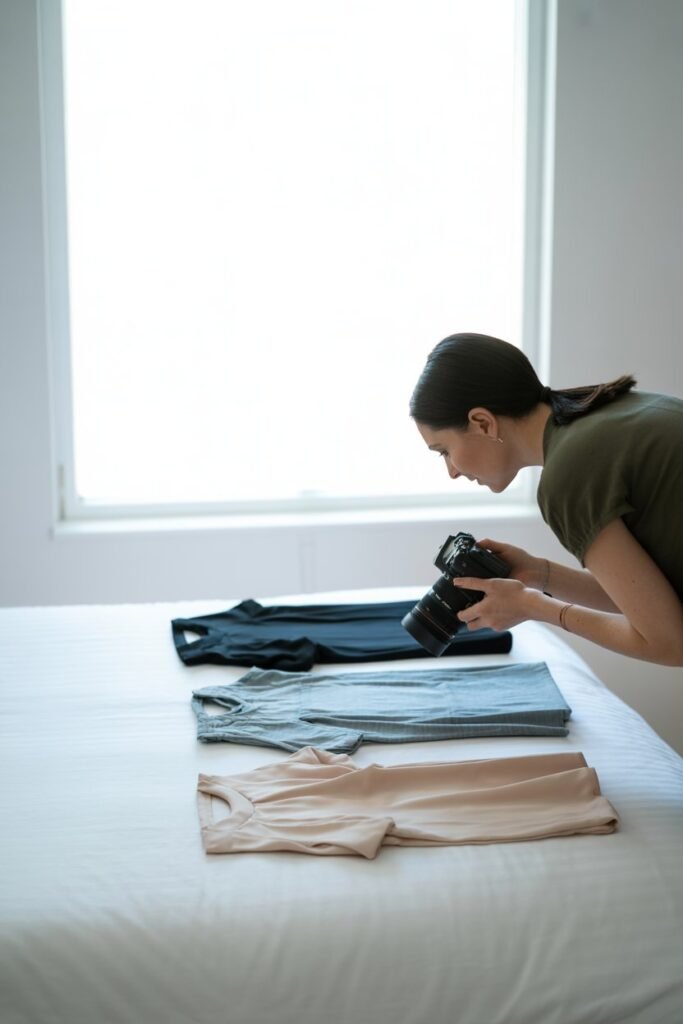
Photos are everything.
A good item with bad photos won’t sell.
An average item with great photos can.
What Works Best
Keep it simple and clean.
- natural lighting (near a window)
- plain background (white wall, bed, table)
- multiple angles
- close-ups of details
What Buyers Want to See
They’re asking:
- what condition is it in?
- are there flaws?
- what does it really look like?
So show:
- front and back
- tags/brand labels
- any damage (be honest)
Clear photos = more trust = faster sales.
Step 6: Write Listings That Get Clicks and Sales

This is where you turn interest into money.
Most beginners write vague listings like:
“Nice shirt, good condition.”
That doesn’t sell.
What to Include in Your Title
Be specific.
Example:
Instead of:
“Black Jacket”
Write:
“Zara Black Cropped Jacket Women’s Size M Lightweight Trendy”
This helps your item show up in search.
What to Include in Description
Keep it simple but clear:
- brand
- size
- condition
- measurements (if needed)
- any flaws
You’re answering questions before buyers ask.
Why This Matters
Better listings:
- get more clicks
- build trust
- reduce returns
- increase sales
Step 7: Ship Fast and Build Trust
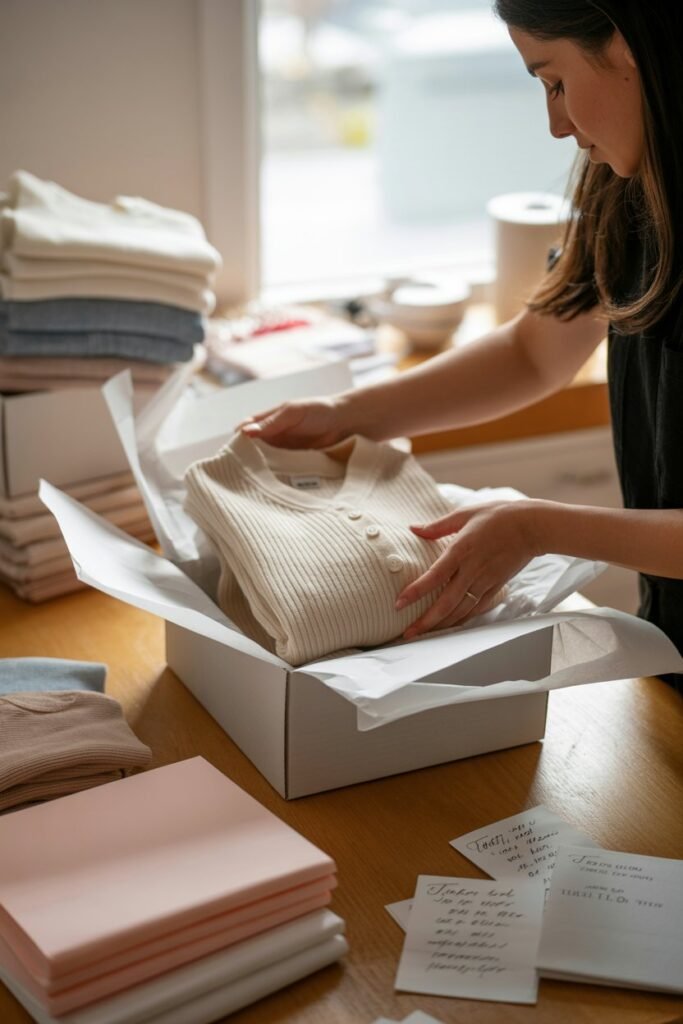
Once you make a sale, your job isn’t done.
Fast shipping = better reviews = more sales.
Simple Shipping Tips
- pack items neatly
- ship within 1–2 days
- use tracking
Good service builds a strong reputation quickly.
How to Start Scaling This Side Hustle
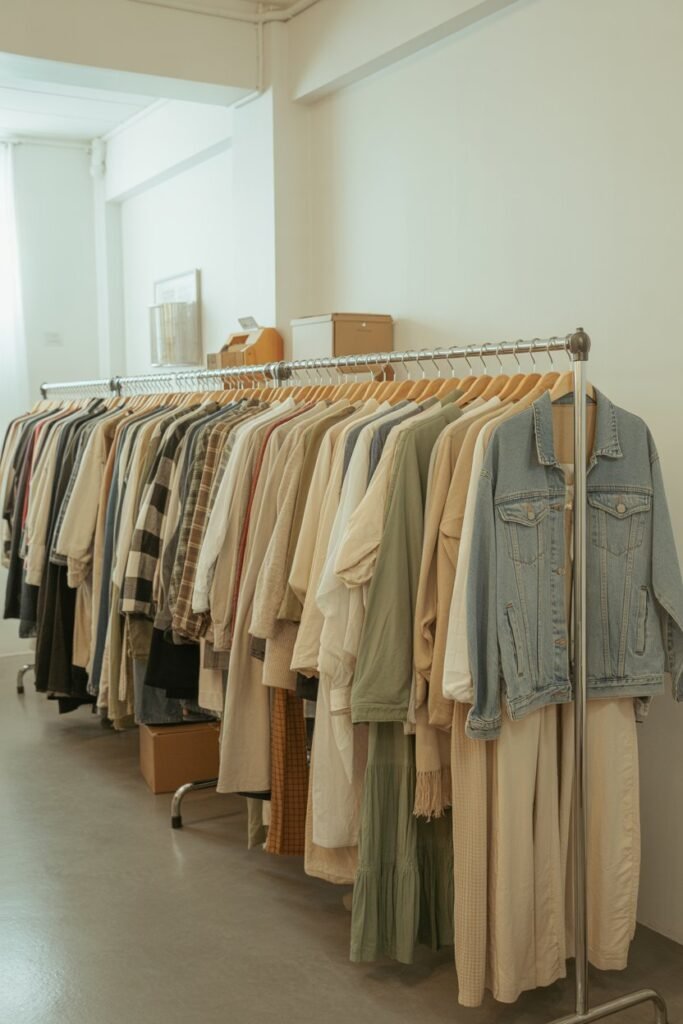
Once you’ve made a few sales, you’ll start to see patterns.
This is where things grow.
Reinvent Your Profits
Instead of spending your earnings:
- reinvest into more inventory
This is how you scale without needing extra money.
Focus on What Works
Pay attention to:
- what sells fast
- what brings the most profit
Then double down on those categories.
Build a Routine
Consistency matters more than luck.
Even 2–3 thrift trips per week can:
- increase inventory
- increase sales
- build steady income
Common Mistakes That Kill Profit
Avoid these early and you’ll save money.
Buying Without Research
If you don’t know what it sells for, don’t buy it.
Ignoring Condition
Small flaws can kill a sale.
Always check carefully.
Overpaying
Just because something is cheap doesn’t mean it’s profitable.
Taking Bad Photos
Dark, blurry images reduce trust instantly.
Giving Up Too Early
Your first few items may not sell fast.
That’s normal.
This is a learning process.
How Much Money Can You Realistically Make?
This depends on:
- how often you source items
- how good you get at spotting value
- how consistent you are
Beginner Level
- $50–$200/month
- learning phase
Intermediate
- $300–$1,000/month
- better sourcing + faster sales
Advanced
- $1,000+/month
- consistent inventory + strong listings
FAQ (Short + SEO-Friendly)
Is thrift reselling worth it for beginners?
Yes, it’s one of the easiest low-cost side hustles to start.
How much money do I need to start?
You can start with as little as $20–$50.
What sells best from thrift stores?
Brand-name clothing, shoes, and unique vintage items.
Where should I sell my items?
Platforms like eBay and Poshmark are great for beginners.
How fast can I make money?
You can make your first sale within days if your item is priced and listed correctly.
Final Thoughts
Thrift reselling looks simple on the surface.
And it is.
But the difference between making money and wasting money comes down to a few key things:
- choosing the right items
- pricing correctly
- presenting your items well
You don’t need to be perfect to start.
You just need to start small, learn fast, and stay consistent.
Because once you get it…
This can go from a small side hustle to something that pays you every single week.