
I used to think “cheap vacation” meant one of two things.
Either it was a place nobody really wanted to go, or it meant constantly worrying about money while you were there.
Cutting corners. Skipping experiences. Saying no to things you actually wanted to do.
And honestly, that didn’t feel like a vacation.
What changed everything for me was realizing this:

A great budget trip is not about spending less on everything.
It is about choosing destinations where your money naturally stretches further without sacrificing the experience.
Some places in the US are expensive no matter how carefully you plan. Others give you incredible scenery, food, and experiences at a fraction of the cost if you know where to go.
This list is not just about “cheap places.”
It is about destinations that feel worth it even on a budget.
What Actually Makes a Vacation Affordable (And Why Most People Get It Wrong)

Before choosing where to go, you need to understand what really drives travel costs.
Most people focus only on flights or hotels, but those are just part of the picture.
What actually makes a destination budget-friendly:
- You can fill your days with free or low-cost experiences
- Food is affordable without sacrificing quality
- Accommodation options range from budget to mid-range
- You don’t need a car or expensive transport to get around
I learned this the hard way.
I once booked a “cheap” trip to a popular city, only to realize everything once I got there was expensive. Food, transport, activities, everything added up quickly.
Now I choose destinations where I don’t have to constantly think about money while I’m there.
That is the difference between a stressful trip and a relaxing one.
1. Asheville

The first time I visited Asheville, I expected it to feel like a typical small mountain town.
It didn’t.
It felt like a mix of nature, creativity, and calm energy that made you slow down without feeling bored.
You have the Blue Ridge Mountains right there, which means your main “activity” is already free.
Why your money goes further here:
You are not paying for constant attractions or entertainment. Most of what you do is built into the environment.
- Hiking trails cost nothing
- Scenic drives feel like an experience on their own
- You can spend entire days outdoors without spending money
Where people overspend (and how to avoid it):
A lot of visitors spend heavily on upscale dining and boutique hotels.
What I do instead:
- Stay slightly outside downtown for cheaper lodging
- Mix one nice meal with casual local spots
- Focus on outdoor experiences instead of paid attractions
Why it’s worth it:
You leave feeling like you actually had a break, not like you rushed through a checklist.
2. San Antonio
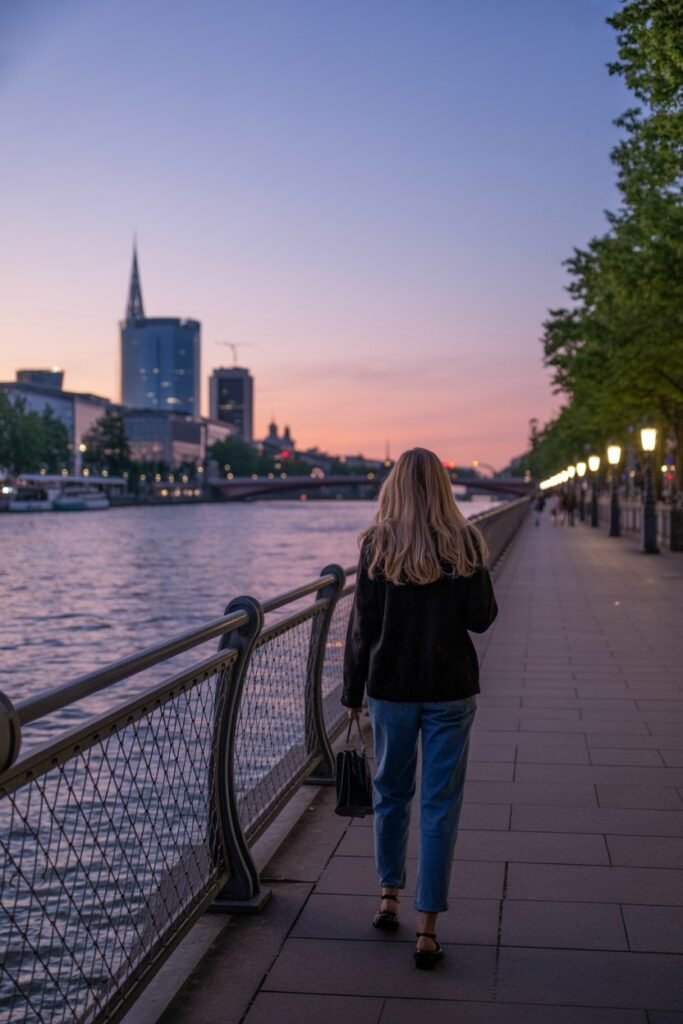
San Antonio is one of those places that feels more expensive than it actually is.
The River Walk alone gives you a full experience without needing to plan much else.
I remember walking it at night and realizing I hadn’t spent anything but still felt like I was in the middle of something special.
Why it works on a budget:
- The main attractions are either free or very low cost
- You can walk most places
- Food is both affordable and genuinely good
What makes it different from other cities:
You are not constantly paying to be entertained.
The atmosphere does most of the work for you.
My realistic tip:
Skip expensive tourist restaurants right on the river for every meal. Eat there once for the experience, then explore nearby local spots.
3. Gatlinburg

Gateway to Great Smoky Mountains National Park
If you want a trip where you can do a lot without spending much, Gatlinburg is one of the easiest options.
The biggest reason is simple.
The main attraction, the Smoky Mountains, is free.
That alone removes one of the biggest costs most vacations have.
Why this matters:
You are not paying entry fees, tickets, or attraction costs every day.
You are spending your time:
- Hiking
- Exploring scenic views
- Driving through mountain roads
Where people go wrong:
They treat Gatlinburg like a theme park town and overspend on tourist attractions.
What I do instead:
- Prioritize national park time
- Limit paid attractions
- Choose cabin stays with shared costs
Why it’s worth it:
It feels like a full, active trip without the constant spending.
4. New Orleans
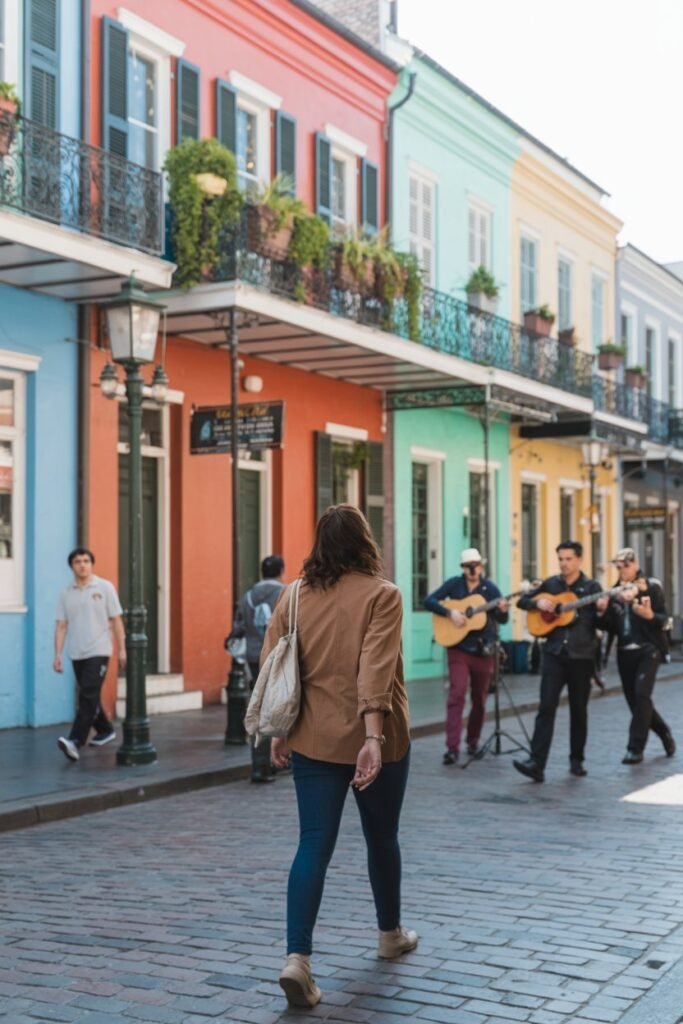
New Orleans is one of the few places where you can walk outside and immediately feel like you are part of something.
Music, energy, culture, it is everywhere.
And the best part?
You don’t have to pay for most of it.
Why it’s budget-friendly:
- Street performances are free
- Walking around is the main activity
- Food is affordable and filling
What surprised me:
I spent less here than in many quieter cities because I wasn’t constantly paying for activities.
Smart way to save:
- Walk instead of using transport
- Eat local (not tourist-heavy spots every time)
- Enjoy the atmosphere instead of chasing paid experiences
Why it’s worth it:
It feels rich in experience without being expensive.
5. Las Vegas

Vegas has a reputation for being expensive, but that is only true if you treat it that way.
If you approach it strategically, it can actually be one of the cheaper trips.
Why it can be cheap:
- Flights are often discounted
- Hotels compete heavily, lowering prices
- Many attractions are free
What I learned quickly:
You don’t need to gamble or spend big to enjoy Vegas.
Free experiences that actually feel premium:
- Walking the Strip
- Watching fountain shows
- Exploring themed hotels
Where people overspend:
Food and spontaneous spending.
My rule:
Set a daily budget and stick to it.
Why it’s worth it:
You get a high-energy, luxury-feeling experience without necessarily paying luxury prices.
A cheap vacation is not about limiting yourself.
It is about choosing places where you naturally spend less while still feeling like you are having a full experience.
And once you understand that, travel becomes a lot more accessible and a lot more enjoyable.
6. Sedona

Sedona is one of those places that looks expensive before you even get there.
The red rock landscapes, the open skies, the quiet atmosphere, it feels like somewhere that should cost a lot more than it does.
But once you’re there, you realize something.
Most of the experience is completely free.
Why your money stretches here:
You are not paying for attractions. You are paying for access to nature.
- Hiking trails are everywhere
- Scenic viewpoints cost nothing
- You can spend hours exploring without spending anything
What I learned:
You don’t need to fill your itinerary.
Sedona is better when you slow down and let the environment be the experience.
How to keep it budget-friendly:
- Stay just outside the main tourist areas
- Focus on outdoor activities
- Limit paid tours unless you really want them
Why it’s worth it:
It feels peaceful, different, and visually unforgettable without constant spending.
7. Savannah

Savannah is one of the easiest places to enjoy without spending much.
I remember walking through the historic squares and realizing I hadn’t planned anything, but the day still felt full.
That is the kind of place this is.
Why it’s affordable:
- The city itself is the main attraction
- You can walk almost everywhere
- Parks, squares, and streets are free to explore
What makes it different:
You don’t feel pressure to “do more.”
The slower pace makes it easy to enjoy without constantly spending.
What I do to keep costs low:
- Stay within walking distance of the historic district
- Explore on foot instead of booking tours
- Mix one paid activity with mostly free exploring
Why it’s worth it:
It feels calm, beautiful, and complete without needing a packed itinerary.
8. Denver

Denver is one of those places where you get two trips in one.
A city experience and easy access to the mountains.
That combination is what makes it such a strong budget option.
Why it works financially:
You can balance your spending.
- Spend lightly in the city
- Enjoy free outdoor activities in the mountains
What I noticed:
I didn’t need to constantly pay for things to stay entertained.
A day in the mountains can easily replace expensive activities.
Smart way to do it:
- Use public transport where possible
- Plan at least one full day outdoors
- Avoid overspending on downtown attractions
Why it’s worth it:
You get variety without needing a big budget.
9. Orlando

Most people hear Orlando and immediately think expensive theme parks.
But that is only one version of the trip.
If you skip the parks, Orlando becomes a completely different kind of destination.
Why it can be cheap:
- A huge range of affordable accommodations
- Plenty of free or low-cost activities
- Easy access to nature and nearby spots
What I learned:
You don’t need theme parks to enjoy Orlando.
Budget-friendly alternatives:
- Local parks and lakes
- Resort stays with included amenities
- Exploring nearby areas
Where people overspend:
Trying to do everything.
My advice:
Choose your experiences carefully instead of trying to fit everything in.
Why it’s worth it:
It gives you flexibility. You can shape the trip around your budget.
10. Chicago

Chicago feels like a big, expensive city until you actually spend time there.
Then you realize how much you can do without spending a lot.
Why it works on a budget:
- Many free attractions
- Public transport makes getting around affordable
- Food options range widely
What surprised me:
I could fill my day without constantly paying for activities.
What I recommend:
- Take advantage of free museum days
- Walk the lakefront and riverwalk
- Use public transport instead of rideshares
Why it’s worth it:
You get a major city experience without the constant high costs of places like New York.
How to Plan a Cheap US Vacation (Without Ruining the Experience)
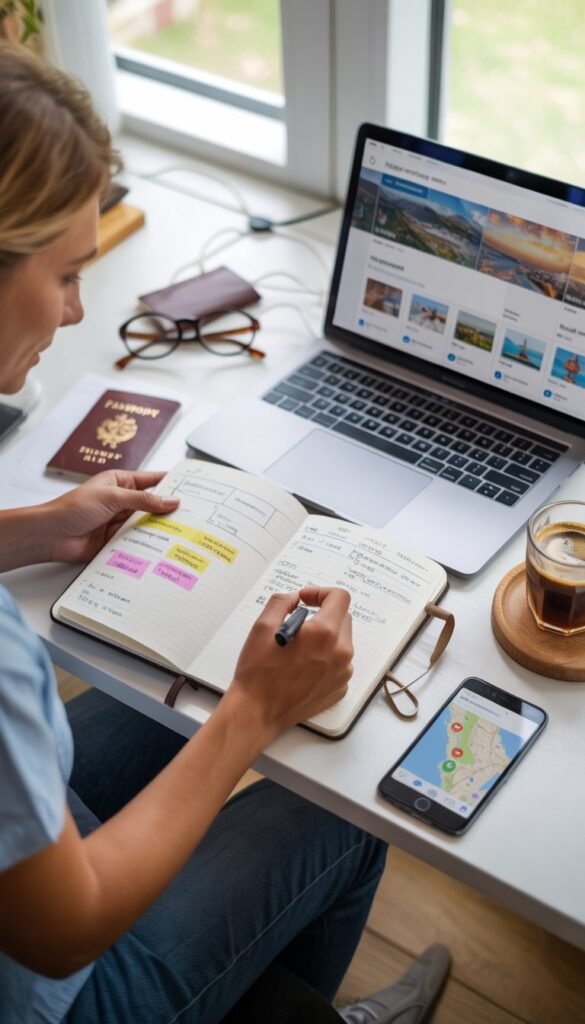
Once I understood the right destinations, the next step was planning smarter.
1. Travel in Shoulder Seasons
Prices drop significantly outside peak times.
- Spring and fall are usually ideal
- Fewer crowds, lower prices
2. Book Flights First, Then Plan Around Them
Sometimes the destination becomes cheaper because the flight is cheaper.
Flexibility saves money.
3. Prioritize Experiences Over Extras
You don’t need:
- Expensive hotels
- Constant paid attractions
Focus on what actually makes the trip memorable.
4. Mix Paid and Free Activities
This keeps your trip balanced.
- One paid experience
- Several free ones
SHORT FAQ
What is the cheapest place to vacation in the US?
Places with strong outdoor access like Gatlinburg or Sedona are often the most affordable.
When is the cheapest time to travel?
Spring and fall usually offer the best balance of price and weather.
How do I travel cheap without sacrificing quality?
Choose destinations where experiences are naturally low-cost instead of trying to cut costs everywhere.
Are big cities always expensive?
Not always. Cities like Chicago can be very manageable with the right approach.
Final Thoughts
I used to think traveling on a budget meant constantly saying no.
No to experiences. No to good food. No to things I actually wanted to do.
But that changed when I started choosing the right destinations.
Now, I spend less, but I enjoy my trips more.
Because I am not forcing a cheap trip in an expensive place.
I am choosing places where affordability is built in.
And once you start doing that, travel feels easier, lighter, and a lot more possible.